View all filters
Clear









Mali grehi
Družba prijateljev se oblikuje po incidentu na koncertu italijanske pop dive Verde v Berlinu, na katerem Bolgarka Nora omedli zaradi prevelikega odmerka psihostimulansov. Prisotni v loži – grški podjetnik Adrian in švedski fotograf Johan ter par iz Izraela, terapevt Sol in umetnica Lilit – pomagajo oškodovanki. Šesterica se postopoma zbliža in se začne srečevati v različnih krajih po Evropi. Za vsakega od njih se zdi, da je uspešen in srečen, vendar globoko v sebi nosi travme iz preteklosti, ki v vsakem od njih rodijo kakšen mali greh – zasvojenost z alkoholom ali psihostimulansi, nezvestobo, laži, manipulacije in domišljavost.
Nora se ogreje za Johana, Adrian in Sol pa se odločita zgraditi sodoben retreat center na otoku Kreta. Družba se tam zbere na počitnicah. Med skupinsko terapijo vsak deli svoj »mali« greh. Lilit izjavi, da je prešuštvovala z Adrianom. Pretresen zaradi slišanega se Sol podvrže starodavnemu ritualu preskakovanja bika, ki simbolizira božjo sodbo. Bik ga poškoduje.
Čez nekaj časa se vsak poskuša spopasti s posledicami tistega dne. Johan neha piti. Lilit in Adrian živita skupaj v San Franciscu. Nora zdravi svojo odvisnost, Sol pa je invalid. Nekega dne prejme pošiljko od Lilit – svoje stare terapevtske zapiske. V njih piše, da je Lilit verjetno plod krvoskrunstva. Sol spozna, da je na skupinski terapiji lagala, da bi ga kaznovala za njegovo kruto obsodbo. Njen »mali« greh je bila laž in ne nezvestoba.
»Paulina Georgieva stavi na kulturni miks, vpeljuje like različnih narodnosti, a ne izpusti bolgarske niti, kajti takšen je sodobni svet, vključno za številne Bolgare. Gre za svet multinacionalk, preprostih selitev in tudi bolgarskih pričakovanj, da zaživimo v velikem merilu, kar se odraža tudi v naši domači literaturi.« prof. Amelija Ličeva, portal Kultura
»Verjamem, da roman Mali grehi zavzema v bolgarski literaturi pozabljeno nišo – združuje psihološko globino z globalnim obzorjem ter vabi k sočutju. Liki v romanu imajo zgrajene polnokrvne, večdimenzionalne in kompleksne značaje, ki v sebi skrivajo neprehodna območja, neznana celo njim samim.« dr. Kamelija Spasova, Literaturen vestni
Translated from
Bulgarian
to
Slovenian
by Maja Kovač
Written in Bulgarian by Paulina Georgieva
7 minutes read
Invizibili
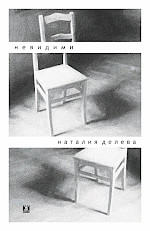
Invizibili este un roman despre neacceptarea celor diferiți, în care copiii își imaginează propriii părinți. O tânără care a crescut într-un orfelinat încearcă să-şi depășească traumele copilăriei. După o serie de despărțiri, o întâlnește pe Dara – o fetiță abandonată, în care se recunoaște. Se atașează de ea și decide cu orice preț să găsească o cale de a-i oferi viața pe care ea însăși nu a avut-o niciodată. Este un roman despre oamenii de la marginea societății. Diferite fire narative se împletesc pentru a spune o poveste comună: cea a invizibilității.
„Un roman despre oamenii de la marginea societății..., care te ia de gât.” Georgi Gospodinov, autorul romanelor Fizica tristeții și Refugiul timpului
„Puțini sunt cei care pot reda fără niciun fel de pretenție viața celor care au trecut printr-un orfelinat, mai ales în perioada de tranziție, și destinele lor ulterioare. De fapt, mai general spus, fiecare dintre noi este un copil abandonat, dar cei despre care povestește autoarea sunt cu adevărat invizibili pe harta socială. Natalia Deleva înlătură de pe chipurile lor toate clișeele cu care i-am pângărit. O carte dificilă, importantă, cu adevărat importantă.” Marin Bodakov, ziarul Cultura
“The narrator in Four Minutes (Invizibili) collates excerpts from news articles, listens to her own (internal) voice, to the stories of people she meets on the way, looks into the past, confronts traumas and, pulling the reader out of their comfort zone, asks important questions about our world, about life in exile, about people who are excluded, abandoned, homeless. A beautiful, intricately woven and exciting book.” Wioletta Greg, author of Swallowing Mercury
Translated from
Bulgarian
to
Romanian
by Maria Andrei
Written in Bulgarian by Nataliya Deleva
11 minutes read
Soarele, când coboară (fragment)
Translated from
Dutch
to
Romanian
by Cătălina Oșlobanu
Written in Dutch by Joost Oomen
8 minutes read

Dni jako dziwne symptomy
Syzyfka błąka się po piekle z pustym wózkiem inwalidzkim, nie wiedząc, czego właściwie szuka. Pamięta tylko, że musi odebrać niepełnosprawną córkę z domu pobytu dziennego. Misja ta za każdym razem kończy się niepowodzeniem, po którym rozczarowana Syzyfka wraca do swojego zaniedbanego podziemnego mieszkania w osobliwym kompleksie mieszkaniowym. Gdy wynajmująca je kobieta na pozór bez przyczyny nawiązuję z nią rozmowę, Syzyfka nagle zaczyna coś sobie przypominać.
Translated from
Dutch
to
Polish
by Anna Opara
Written in Dutch by Leonieke Baerwaldt
7 minutes read
Como nos tornaremos menos
Translated from
Dutch
to
Portugese
by Pedro Viegas
Written in Dutch by Rebekka de Wit
9 minutes read
Там, където залязва слънцето
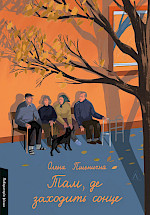
Мислила ли си е някога бившата учителка по украински език, 72-годишната Вира Тиха, че в края на своя , макар не лек, но напълно щастлив живот, ще се озове в Дом за възрастни хора? Разбира се, че не.
Още по-малко си е представяла, че там ще я заведе единственият ѝ и толкова обичан син. Госпожа Вира беше убедена, че няма да остане тук задълго. Просто е лятото на 2022 година и е война, синът ѝ Толя работи като доброволец денонощно, снаха ѝ е принудена да се евакуира с децата в чужбина, а селото в Киевска област, където живеят, бавно се съвзема след бойните действия и окупацията. За нея, с нейното слабо сърце, за да не безпокои сина ѝ, може би наистина е по-добре засега да остане тук, по-далеч от фронтовата линия, в относително спокойното малко селце, където войната съществува сякаш само по телевизията, в компанията, така да се каже, на връстници. Макар че тези „връстници” отдавна са прехвърлили седемдесетте.
Вместо общителни и добронамерени старци, Вира Тиха попада в свят на наранени, хапливи, саркастични старчоци, които ден след ден просто наблюдават как животът им бавно се претъркулява отвъд небесния хоризонт.
Там, където залязва слънцето е топъл и разтърсващ разказ за живота в неговия залез. Роман, който повдига важни и болезнени теми чрез историите на своите герои и чрез сложните им взаимоотношения, най-вече с децата им. Текст с терапевтично въздействие, от което всички ние толкова се нуждаем в тези трудни времена. Както казва самата авторка, това е книга-пластир за наранено сърце.
Translated from
Ukrainian
to
Bulgarian
by Dayana Gocova
Written in Ukrainian by Olena Pshenychna
8 minutes read
Малки грехове
Приятелска компания се сформира след инцидент на концерт на италианската поп дива Верда в Берлин, на който българката Нора припада заради прием на свръхдоза психостимуланти. Присъстващите в ложата – гръцкият предприемач Адриан и фотографът швед Йохан, както и двойката от Израел - терапевтът Сол и художничката Лилит, помагат на пострадалата. Шестимата постепенно се сближават и започват да се срещат на различни места из Европа. Всеки от тях изглежда успешен и щастлив човек, но дълбоко в себе си носи травмите от миналото. Тези травми пораждат у всеки „малък грях“ – пристрастеност към алкохол, психостумуланти, изневяра, лъжа, манипулации и самонадеяност.
Нора се увлича по Йохан, а Адриан и Сол решават да изградят модерен ритрийт център на остров Крит. Компанията се събира там на почивка. По време на групова терапия, всеки споделя своя „малък“ грях. Лилит заявява, че е прелюбодействала с Адриан. Разтърсен от чутото, Сол се подлага на древния ритуал на прескачане на бик, който символизира Божия съд. Бикът го наранява.
След време всеки един се опитва да се справи с пораженията от този ден. Йохан вече не пие. Лилит и Адриан живеят заедно в Сан Франциско. Нора лекува зависимостта си, а Сол е инвалид. Един ден той получава пратка от Лилит – негови стари терапевтични записки. В тях пише, че Лилит вероятно е рожба на кръвосмешение. Разбира, че на груповата сесия тя е излъгала, за да го накаже за жестоката му преценка. Нейният „малък“ грях е бил лъжата, а не изневярата.
Written in Bulgarian by Paulina Georgieva
7 minutes read
Nevidni
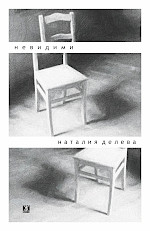
Nevidni je roman o zavračanju drugačnih, v katerem otroci predstavljajo svoje starše. Mlada ženska, odrasla v Domu za osirotele otroke, poskuša premagati svoje travme iz otroštva. Po vrsti ločitev sreča Daro, siroto, v kateri prepozna sebe kot otroka. Naveže se nanjo in se odloči, da bo za vsako ceno našla način, da ji bo omogočila življenje, kakršnega sama nikoli ni bila deležna. Gre za roman o ljudeh z družbenega roba. V njem se prepletajo različne pripovedne linije, ki vse pripovedujejo skupno zgodbo o nevidnosti.
»Roman o ljudeh z družbenega roba, ki vas pusti brez besed.« Georgi Gospodinov, avtor romanov Fizika žalosti in Časovno zaklonišče
»Le malokdo je sposoben brez kančka pretencioznosti poustvariti življenja tistih, ki so izkusili dom za zapuščene otroke, še posebej v času prehoda, njihove nadaljnje usode. Pravzaprav je, bolj splošno gledano, vsak od nas zapuščen otrok, toda tisti, o katerih pripoveduje avtorica, so resnično nevidni na družbenem zemljevidu. Natalija Deleva jim z obrazov odstrani vse klišeje, s katerimi smo jih obtežili. Težka, pomembna, resnično pomembna knjiga.« Marin Bodakov, Kultura
“The narrator in Four Minutes (Невидими) collates excerpts from news articles, listens to her own (internal) voice, to the stories of people she meets on the way, looks into the past, confronts traumas and, pulling the reader out of their comfort zone, asks important questions about our world, about life in exile, about people who are excluded, abandoned, homeless. A beautiful, intricately woven and exciting book.” Wioletta Greg, author of Swallowing Mercury
Translated from
Bulgarian
to
Slovenian
by Maja Kovač
Written in Bulgarian by Nataliya Deleva
10 minutes read
Półżycie
Translated from
Dutch
to
Polish
by Ewa Dynarowicz
Written in Dutch by Aya Sabi
6 minutes read
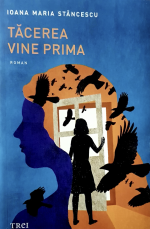
Tăcerea vine prima (Silence comes first)
Tăcerea vine prima vorbeşte despre trauma unei familii contemporane şi despre blocajele de comunicare dintre mai multe generații de femei. Atunci când tăcerea se instalează într-o familie, toate comportamentele sunt creatoare de traume. Singura soluție pare să fie depășirea fricii și deschiderea rănilor.
Subiectul principal îl reprezintă relația complicată a Dorei, pe de o parte cu mama sa intruzivă și veșnic nemulțumită, pe de altă parte cu fiica adolescentă care începe să-și ceară dreptul la independență. Crescută într-o familie în care femeile și bărbații au fost dintotdeauna într-un raport de forță, copiii au acoperit goluri și dureri, fericirea personală n-a părut necesară, mamele au îmbătrânit urât, iar tații, în tăcere, Dora preferă fantasma realității. Într-un moment de curaj, ea intră într-o relație online cu Toma. Totuși, chiar și după ce ajunge la Braşov, acolo unde locuieşte bărbatul, spaima de a nu fi dezamăgită o face să se întoarcă acasă, fără ca întâlnirea să aibă loc. Când însă, Toma vine în București și o sună, Dora este nevoită să ia o decizie. Nu înainte de a rupe tăcerea şi a da cărţile pe faţă, într-o discuţie cu mama ei.
“Silence Comes First" explores the trauma within a contemporary family and the communication barriers between multiple generations of women. When silence takes root in a family, every behavior becomes a source of trauma. The only solution seems to be overcoming fear and confronting old wounds.
The central theme is on one hand Dora's complicated relationship with her intrusive and perpetually dissatisfied mother, and on the other the dynamic with her teenage daughter, who is beginning to assert her right to independence. Raised in a family where women and men were always engaged in a power struggle, where children filled voids and covered up pain, Dora searches for an escape. After a childhood where personal happiness seemed unnecessary, where mothers aged poorly, and fathers remained silent, Dora prefers the fantasy over reality. In a moment of courage, she enters an online relationship with Toma. However, even after she travels to Brașov, where Toma lives, her fear of disappointment drives her to return home without meeting him. But when Toma comes to Bucharest and calls her, Dora is forced to make a decision. However, she can only do that after breaking the silence and laying all the cards on the table in a conversation with her mother.
Written in Romanian by Ioana Maria Stăncescu
9 minutes read
Invisibili
Un romanzo sulle persone alla periferia della società che afferra alla gola.
Georgi Gospodinov, autore di Fisica della malinconia e Cronorifugio
In pochi sono capaci di ricreare senza un grammo di pretenziosità la vita di chi è passato per gli orfanotrofi, tanto più durante la transizione; i destini che ne sono conseguiti. In effetti, più in generale, ognuno di noi è un bambino abbandonato, ma quelli di cui racconta l’autrice sono davvero invisibili sulla cartografia sociale. Natalia Deleva toglie dai loro volti tutti i cliché con i quali li abbiamo imbruttiti. Un libro difficile, importante, davvero importante.
Marin Bodakov, dalla rivista Kultura
La voce narrante di Invisibili raccoglie estratti di articoli di giornale, ascolta la propria voce (interiore), le storie delle persone che incontra lungo il suo percorso, guarda nel passato, confronta traumi e, trascinando il lettore fuori dalla propria zona di comfort, pone importanti domande sul nostro mondo, sulla vita in esilio, sulle persone che sono escluse, abbandonate, senzatetto. Un bellissimo libro, emozionante e intessuto con grande cura del dettaglio.
Wioletta Greg, autrice di Swallowing Mercury
Translated from
Bulgarian
to
Italian
by Giorgia Spadoni
Written in Bulgarian by Nataliya Deleva
12 minutes read
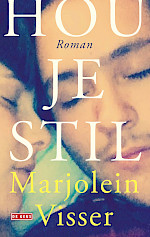
Buď zticha
„Když někdo z nás zmizí, do zpráv se to nedostane, protože se nejedná o žádnou novinku. Zbytek světa na tebe nemyslí – ani když zrovna šňupou tvůj kokain, nosí oblečení, které jsi vyrobil, nebo když tě vyhošťují ze země.“
Příběh pojednává o Alexovi, uzavřeném mexickém uprchlíkovi, který je na stáži na nizozemské univerzitě a snaží se zachránit, co zachránit jde. Aby žil, musí mluvit, aby přežil, musí mlčet.
Buď zticha je strhující román o zavřených hranicích, odvaze bez hranic, o síle jazyka a stírajícímu se rozdílu mezi pachateli a oběťmi.
Všechny postavy jsou smyšlené. Fakta nikoliv.
Kniha vychází z mnohaletých rešerší a příběhů lidí se zkušeností s uprchlictvím a vyhoštěním, lidí pracujících v oblasti azylového práva, vyučujících z různých (mexických) univerzit, psychologů zaměřujících se na traumata, lidskoprávních aktivistů, novinářů, skrývajících se lidí, obětí i pachatelů násilí mezi kartely a zločineckými skupinami. Osvětluje, jaký vliv mají vládní orgány na jedince a také násilí související s drogami a sexem. Tento působivý román odhaluje mimo jiné i komplikované vztahy mezi „drogovými zeměmi“, jako je Mexiko, a Evropou, kontinentem, který žadatelům o azyl stále častěji zavírá hranice a zároveň je velkým překupníkem i uživatelem kokainu.
Translated from
Dutch
to
Czech
by Klára Němcová
Written in Dutch by Marjolein Visser
7 minutes read
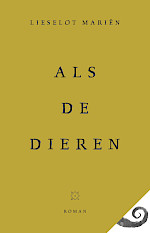
Щом животните
В „Щом животните” една жена изследва връхлитащото я след раждането на първото ѝ дете – изживяване толкова мрачно, че тя се съпротивлява на езика и смисъла. Търси опора в животинското царство, в старите митове, в снимки, имейли и дори в списъците си за пазаруване от периода около раждането. Как се превръщаш, дълго след като детето ти е дошло на този свят, в майка? И как съединяваш отново отломките от един човек, който се е разпаднал?
Разтърсващ разказ, който опипом кара читателя да се замисли. Великолепно отчаяние. — в-к „НРК ханделсблат”
Лизелот Мариен дебютира с изключително силен и нищо неподминаващ роман за майчинството. „Щом животните” е едновременно протокол от екзистенциално търсене и творба с блестяща стилистика. — в-к „Тейд”
Translated from
Dutch
to
Bulgarian
by Elena Dimitrova
Written in Dutch by Lieselot Mariën
8 minutes read

De Heggen
Translated from
Polish
to
Dutch
by Małgosia Briefjes
Written in Polish by Maria Karpińska
12 minutes read
Bolje je da ćutiš
Translated from
Dutch
to
Serbian
by Tamara Britka
Written in Dutch by Marjolein Visser
8 minutes read
Hoe we minder zullen worden
Written in Dutch by Rebekka de Wit
9 minutes read

Літо в Бурландії
Восьмирічний Штерн живе в Грейштадті. Його батько дипломат, а мама художниця із замкнутим характером, яка все більше занурюється в себе. Хоча прямо про це й не сказано, але читач сам одразу розуміє, що рідні Штерна розлучаються. З’являється тітка Ема (сестра близького товариша Штернового батька, молодого амбіційного полковника з армії), яка доглядатиме за хлопчиком, поки його батько у відрядженні за кордоном. Він обіцяв повернутися на день народження Штерна перед самим Різдвом, але стає зрозуміло, що дотриматися цієї обіцянки дуже складно, бо вона така ж сама складна, як політична ситуація в країні. Грейштадт підозріло нагадує Софію, але це легко міг би бути будь-якої іншою центрально- / східноєвропейською столицею. Незрозумілим залишається і час описуваних подій –– різні відсилки до 30-, 40-, кінця 80-х років, навіть теперішнього часу, розкидані в різних місцях у тексті. Це створює сноподібну атмосферу deja vu і deja vexu, викликаючи відчуття повтору історії, пам’яті і травми. Роман поєднує паралельні сюжетні лінії й алюзії до таких тем, як популізм, незаконні праворадикальні організації та небезпечний вплив соціальних мереж. Книга починається, на перший погляд, з не пов’язаних подій у Грейштадті. Біля випадкових будинків, розташованих у різних частинах міста, зникає взуття; загадковий аристократ із амбітними планами прибуває своїм дирижаблем. Його летюча резиденція продовжує ширяти над містом, втілюючи таким чином відчуття загрози і тривоги, що оселилися в повітрі. Барон має підступний план, який буде розкрито значно пізніше –– вкрасти мрії жителів Грейштадта.
«Перший роман болгарського романіста і одна з сенсацій літературного сезону, між історією дорослішання та політичною байкою».
Libération, Франція.
«Весело-моторошно-солодко-солоне повернення в дитинство одного дорослого чоловіка».
Крістін Дімітрова, письменник, Літературний вісник.
«Важко визначити, який це жанр, «Літо в Бурландії» містить елементи фентезі, історичного роману, казки, пригодницької історії з демонічним лиходієм. Саме можливість утечі –– цей світлий особистий горизонт –– робить книгу Мілана такою ніжною і легкою до читання. Хоча події відбуваються під важкою тінню дирижабля, що навис над містом, але в них немає нічого страшного чи безнадійного. Це яскравий роман гри та приборкання зла.
Юлія Роне
Translated from
Bulgarian
to
Ukrainian
by Khrystia Vengryniuk
Written in Bulgarian by Momchil Milanov
8 minutes read
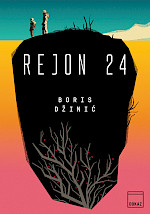
Območje 24
Minilo je že nekaj let, odkar sta Luke in Elie prvič stopila na tla Rdečega planeta. S sajenjem višenj na Marsu, ki zaenkrat edine uspevajo na tem turobnem planetu, začneta oče in hči razburljivo iskati skrivnosti, vkopane v plasti rdečkastega prahu. Drevesa, polna temnordečih plodov, rastejo pod stropi vseh specializiranih rastlinjakov, razen v enem – Območju 24.
Medtem ko se notranjost njunih astronavtskih oblek vse bolj polni s samoto, strahom, nerazumevanjem in žalostjo, ju tragični dogodki iz preteklosti še kar pestijo kot mrakobne meglice Marsa. Čeprav se pogosto prisilita, da ne bi razmišljala o domu, ki sta ga začasno zapustila, je iskre njunih zgodb in spominov nemogoče popolnoma ugasniti – vlečejo ju k pomembnim podrobnostim in dogodkom, ki so oblikovali njuni življenji. Zakaj je pomemben način, kako Elie je višnje, in katero drevo je Luke posadil, ko je bil majhen? Ali so lahko stara kmetija, sadovnjak, bližnje jezero, zamrli vaški semenj in mreža prepletenih kanalov in gozdičkov skelet in življenjski sistem družine?
Boris Džinić v svojem debitantskem romanu spretno prepleta preteklost in sedanjost svojih junakov in prinaša ganljivo zgodbo o moči spominov, ljubezni, trpljenju in neločljivih vezeh med ljudmi. Območje 24 nas spominja, da je tudi na najtemnejšem mestu možno ohraniti veselje življenja in vero, da se je k tistemu, kar nas čaka, vredno vrniti.
Translated from
Serbian
to
Slovenian
by Natalija Milovanović
Written in Serbian by Boris Džinić
9 minutes read

Brooklyn-Barakaldo
Je lepší mlčet a být spolupachatel? Nebo chtít raději spravedlnost a bát se pomsty?
Mateo dostává výpověď z práce v architektonickém studiu v Barceloně a vrací se do rodného domu v Madridu. Když mezi otcovými věcmi náhodou objeví pistoli, začne svého otce Juana podezřívat z účasti na atentátu ETA, k němuž došlo v jejich čtvrti před dvaceti lety. Čtenáři je zároveň představen příběh Malen, která v roce 2000 plánovala v téže čtvrti vraždu jednoho soudce, jejíž realizace měla nečekané rozuzlení. Mateova honba za pravdou ho přivádí k tajemstvím, která by mohla nenávratně rozvrátit základy jeho života i života lidí, které miluje.
Na pozadí skutečného atentátu, ke kterému došlo v Madridu před pětadvaceti lety, přemýšlí Antonio Lleras ve svém prvním, podmanivém románu o vykoupení a možnosti změnit svůj život; o tom, jak se po desetiletích od ukončení činnosti ETA její oběti i členové sdílející minulost plnou násilí a pomsty snaží znovu vybudovat své životy.
Translated from
Spanish
to
Czech
by Markéta Cubrová
Written in Spanish by Antonio Lleras
8 minutes read
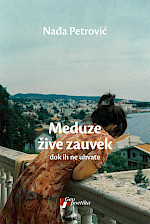
Las medusas viven para siempre hasta que las capturan
Sara acaba de cumplir diecinueve años y, debido a un trauma de su pasado, siente un creciente miedo a morir ese año. Por eso, lo que debería ser el verano más despreocupado de su vida, entre el instituto y la universidad, lo pasa bajo la sombra de la ansiedad. Sale con sus amigos por pubs alternativos, intenta reconciliarse con su exnovio Viktor, bebe en exceso y quiere llamar la atención de todo el mundo aunque, en el fondo, es una persona introvertida. Todo cambia después de que Sara tenga su primera visión en una sala oscura de una discoteca, en el que se despierta un trauma del pasado: vuelve a encontrarse con su prima de diecinueve años, Lara. Sara se despierta a la mañana siguiente con un hormigueo en la mano; este se extiende y Sara descubre que padece una enfermedad sin nombre, con la que vivirá con normalidad, pero que la acompañará para siempre. Sara, al recibir la primera señal de que su miedo a la muerte está justificado, empieza a entrar en pánico, analizando el concepto y su propio cuerpo como algo frágil y efímero y, por medio de estos pensamientos, madura rápidamente. Empieza a prepararse para la pintura cuando conoce a Tisa y Balša, ambos son excéntricos y han hecho frente a la muerte en el pasado, y tanto una como otro tienen traumas enterrados. A través de su relación con ellos, Sara se enfrenta con su presente, futuro y pasado: la tragedia familiar, que marcó todo el período de su paso a la madurez, la muerte de su prima Lara.
Translated from
Serbian
to
Spanish
by Miguel Alonso
Written in Serbian by Nađa Petrović
12 minutes read