View all filters
Clear









Nočem biti pes
Translated from
Dutch
to
Slovenian
by Nika Štrovs
Written in Dutch by Alma Mathijsen
7 minutes read

Хищница
Мия е на двадесет и седем години и всеки ден наблюдава най-лошото от света: тя работи като модератор на съдържание и задачата ѝ е да цензурира най-насилствените видеоклипове, циркулиращи онлайн. Откакто бившият ѝ приятел Рубен загива от токов удар във ваната, тя живее в един порочен кръг от нихилизъм и угризения, залисвана от работата и от психотропните вещества, връщана към живота от време на време само благодарение на приятелството си с Денис и Мириам. Миналото с Рубен е архив от жестоки спомени като онези образи, които премахва от мрежата, но не може да изтрие от паметта си: емоционалния му рекет, обвиненията му, че тя го изсмуква като хищница, и страхът да го изостави. Но когато попада на видеоклип на София – момиче, което поразително прилича на нея и което се хвърля от мост, Мия се съвзема и тръгва по следите ѝ. Среща приятеля си Лапо, изгряващ музикант, и приятелката си Марго, компаньонка и танцьорка в нощен клуб, оставяйки се да бъде съблазнена и от двамата в една въртележка от отношения. Накрая Мия, заедно с Мириам и Марго, решава да си даде шанс за алтернатива чрез необичаен съюз по сестрински, който успява да разбие черупката на болката й. „Хищница“ разказва за пътя на една млада жена, която се бори със загубата и самотата, бунтувайки се срещу атавистичното женско чувство за вина, за да се устреми напред към светлината на бъдещото си „аз“.
„В крехкостта има нещо, едно отчаяние, едно примирение, което никога няма да успеем да контролираме напълно. И би могла да ни унищожи, защото крехкост не означава слабост.“
„С Рубен беше любов от пръв поглед. Знам, че не е любов, а увлечение, плът, която се харесва и се иска, тела, които се усещат взаимно, както акула усеща кръвта. И до днес, ако някой ме попита кой е бил най-хубавият ден в живота ми, без да се замисля бих отговорила: денят, в който го срещнах. И все пак знам, че не е така, че е имало и други дни. Че ако нашето е било любов, тогава любовта не съществува.“
Translated from
Italian
to
Bulgarian
by Brigitte Mancuso
Written in Italian by Cecilia Rita
8 minutes read
Cum vom rămâne mai puțini
Translated from
Dutch
to
Romanian
by Cătălina Oșlobanu
Written in Dutch by Rebekka de Wit
9 minutes read
Doma
Translated from
Dutch
to
Slovenian
by Nika Štrovs
Written in Dutch by Lisa Weeda
6 minutes read
E OK
Translated from
Dutch
to
Romanian
by Irina Kappelhof Costea
Written in Dutch by Aya Sabi
7 minutes read
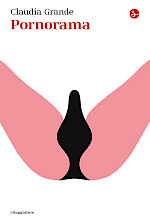
Pornorama
Ta opowieść to pajęcza sieć pozrywanych nici: jak już uda się złapać jedną z nich, reszta natychmiast wymyka się z rąk. To historia o niepokojącej serii zgonów w pornoświatkach Rzymu, Mediolanu i Turynu, ale też o śledztwie prowadzonym przez nadkomisarz Vittorię De Feo. To opowieść o tym, jak na ten sam trop wpada pewna para dwudziestolatków, Bet i Teo, poszukując historii, która przywróci świetność ich blogowi, i pewien dziennikarz brukowca szukający tematu życia. W trakcie własnych prywatnych śledztw trafiają na surrealistyczną galerię groteskowych postaci: chirurgów, którzy zbijają fortunę projektując seks-zabawki w oparciu o anatomię ciał zmarłych gwiazd porno, adwokatów z piekła rodem, którzy trzymają swoich stażystów na krótkich smyczach, ekspertów medycyny sądowej, którzy chcą się stać youtuberami, upadłych aktorów z programów dziecięcych, psychiatrów przebranych za awokado, influencerek-kokainistek i przebiegłych managerów gwiazd porno. Wszystko okraszone narkotykami i zakazami zbliżania się, obciętymi dłońmi i cytrynowym ciastem, królikami domowymi i śmieciową telewizją, magazynami Ikea i planami fimów porno.
Translated from
Italian
to
Polish
by Amina Niepsuj-Wood
Written in Italian by Claudia Grande
8 minutes read
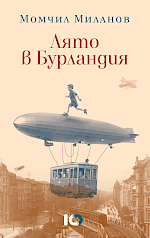
Лято в Бурландия
Осемгодишният Щерн живее в Грейщад. Баща му е дипломат, а майка му е затворена по характер художничка, която все повече се отдръпва в себе си. Без да е указано изрично, читателят отрано разбира, че родителите на Щерн се развеждат. Появява се леля Ема (сестра на близък приятел на бащата на Щерн, млад амбициозен полковник от армията), която трябва да се грижи за момчето, докато баща му е в командировка в чужбина. Той е обещал да се върне за рождения ден на Щерн точно преди Коледа, но скоро става ясно, че спазването на това обещание е много сложно, точно както политическата ситуация в страната. Грейщад подозрително напомня на София, но лесно може да бъде която и да е друга централно/източноевропейска столица. Неясно остава и кога точно се развива историята – различни препратки към 30-те, 40-те, края на 80-те или дори настоящия момент, са пръснати из повествованието. Това създава съноподобна атмосфера на déjà vu и deja vécu, предизвиквайки усещането за повторение на историята, за памет и травма. Романът смесва паралелни сюжетни линии и алюзии към теми като популизъм, паравоенни крайнодесни организации и опасните ефекти на социалните медии.
Книгата започва с няколко привидно несвързани събития в Грейщад. Обувки започват да изчезват от произволни къщи, разположени в различни части на града; мистериозен аристократ с амбициозни планове пристига с дирижабъла си. Летящата му резиденция остава заплашително да се рее над града, въплъщавайки по този начин чувството за заплаха и безпокойство, което се настанява във въздуха. Баронът има коварен план, който ще бъде разкрит много по-късно – да открадне мечтите на жителите на Грейщад.
Written in Bulgarian by Momchil Milanov
9 minutes read
Slovar obsojenca
Translated from
Italian
to
Slovenian
by Martin Kastelic
Written in Italian by Sara Micello
6 minutes read
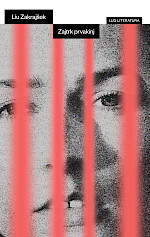
Śniadanie mistrzyń
Akcja Śniadania mistrzyń, debiutanckiej książki Liu Zakrajšek, skupia się wokół trzech miejsc – kina, domu kultury i księgarni – gdzie główna bohaterka dorabia, żeby móc utrzymać się na studiach. Kiedy nie jest na wykładach albo w pracy, spędza czas w małym, dusznym pokoiku na poddaszu – w mieszkaniu współdzielonym z impulsywną, chaotyczną Vesną i zorganizowaną, poważną Pią. Na przestrzeni kolejnych rozdziałów dynamika ich relacji ulega mniej lub bardziej dramatycznym wzlotom i upadkom, a wszystko to dzieje się na szerszym tle kryzysowych zjawisk, których doświadcza młode pokolenie, szykujące się dopiero do wejścia na rynek pracy – od prekarności zatrudnienia i wygórowanych cen nieruchomości do coraz większych różnic klasowych, samotności i problemów ze zdrowiem psychicznym. Młodzi bohaterowie, zamiast myśleć o swoich marzeniach i przyszłości, mogą zająć się co najwyżej tym, jak zarobić na następny czynsz. Powieść, której tytuł nawiązuje do Śniadania mistrzów Kurta Vonneguta, jest subtelną satyrą współczesnego świata, tak bardzo nam potrzebną.
„Pomyślałam o Vesnie. O tym, czy wtedy, kiedy się znałyśmy, była naprawdę nieszczęśliwa. Chyba tak. A ja?”
„Chcę mieć normalne życie. Jakby tak się zastanowić, to normalne życie jest już dużym osiągnięciem”.
„Żeby wywołać rewolucję, wystarczy dostrzec przed sobą prawdziwego człowieka i trochę pomyśleć”.
Translated from
Slovenian
to
Polish
by Aleksandra Wójcik
Written in Slovenian by Liu Zakrajšek
9 minutes read
Закуска за шампионки
„Закуска за шампионки“ е дебютът на Лиу Закрайшек, в който заедно с главната героиня се отправяме на три различни студентски работни места: в кино, в дом на културата и в книжарница. Когато не ходи на лекции или не работи, тя прекарва времето си в малката си задушна таванска стаичка на апартамента, който дели с импулсивната и хаотична Весна, както и с организираната и сериозна Пиа. Тяхната динамика през главите повече или по-малко драматично се изгражда и отново се разрушава, а всичко това се случва на фона на по-мащабни житейски кризи, които преживавя младото поколение, което тепърва ще навлезе на пазара на труда – от уязвимотта им и твърде високите цени на недвижимите имоти до все по-лошата класова сегрегация, самотност и лошото психическо здраве. Младите хора в романа, които биха предпочели да мислят за мечтите и бъдещето си, могат да се занимават най-много с това как да си подсигурят следващия наем. Романът, чието заглавие е вдъхновено от Кърт Вонегът, е субтилна сатира на днешното време, от каквато спешно имаме нужда.
Translated from
Slovenian
to
Bulgarian
by Dimana Miteva
Written in Slovenian by Liu Zakrajšek
9 minutes read
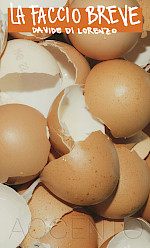
Seré breve
Tiene veinticuatro años, es mitad napolitano y mitad húngaro, estudió en Bolonia, quiere ser director y todavía está encontrando su camino: este es el identikit de partida del protagonista de Seré beve, el brillante debut de Davide Di Lorenzo.
Se llama Davide, tal y como el autor de la novela, y lo encontramos por primera vez en Budapest, ciudad en la cual nació y creció su madre. Ha dejado atrás Italia, los amigos, la familia y, aunque la vida en el extranjero no le libra de aventuras grotescas, su día a día es somnoliento y vagabundo.
Un viaje a Berlín no cambiará las cosas, que, en cambio, empezarán a moverse solo con su admisión a una escuela de cine y su traslado a Roma. El Pigneto, las noches de baile (y los consiguientes regresos rocambolescos), el cansancio y nuevos encuentros contribuirán a despertar a Davide, empeñado en darle vueltas a un misterio: la aparición sin sentido, pero cada vez más frecuente, de un huevo roto en el rellano.
Davide Di Lorenzo consigue contar con irónica fidelidad la vida cotidiana de un chico en el umbral de la edad adulta, tanto en su dimensión doméstica y melancólica como en las infinitas tardes romanas, o en las fiestas alcohólicas por toda Europa. Seré breve es una novela desenfadada y conmovedora, que conserva el ritmo desenfrenado y la frescura de los veinte años.
Translated from
Italian
to
Spanish
by Camila Ramírez
Written in Italian by Davide Di Lorenzo
10 minutes read
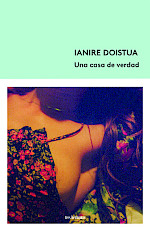
O casă adevărată
Ușurarea pe care o simte Ernest când tatăl său se sinucide nu durează prea mult. În curând descoperă că rănile din trecutul său, cele pe care le credea uitate, sunt mai vii ca niciodată.
Ocazia de a locui într-o casă adevărată, așa cum numește el casa pe care o moștenește, îi reînvie dorința care îl însoțește încă din copilărie: aceea de a-și întemeia o familie ideală. Însă neputința de a-și înțelege mama și soția, care insistă să preia controlul asupra vieților lor, influența constantă a tatălui și reapariția unei vechi iubiri zguduie temeliile prezentului său, pe care Ernest intenționează să-și construiască noua și idilica realitate.
O casă adevărată se remarcă prin tematica profundă și contemporană, dublată de note de umor și de o tensiune psihologică progresivă ce accentuează atmosfera familiară și dinamică a romanului.
Translated from
Spanish
to
Romanian
by Ilinca Gângă
Written in Spanish by Ianire Doistua
9 minutes read
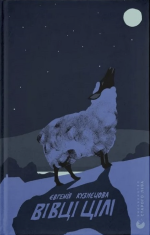
Een Oekraïens kerstverhaal
Translated from
Ukrainian
to
Dutch
by Roman Nesterenco
Written in Ukrainian by Eugenia Kuznetsova
6 minutes read
Vita a metà
Translated from
Dutch
to
Italian
by Francesco Panzeri
Written in Dutch by Aya Sabi
8 minutes read
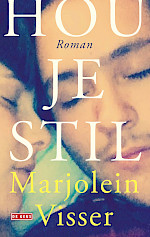
Bolje je da ćutiš
Translated from
Dutch
to
Serbian
by Tamara Britka
Written in Dutch by Marjolein Visser
8 minutes read
Obce miasto
Translated from
Czech
to
Polish
by Agata Wróbel
Written in Czech by Anna Háblová
8 minutes read
Meine Mutter hat Blumen gezüchtet (Pogoji niso pomembni)
Translated from
Serbian
to
Slovenian
by Natalija Milovanović
Written in Serbian by Ljiljana D. Ćuk
5 minutes read
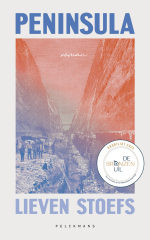
Korytarz (Peninsula)
Translated from
Dutch
to
Polish
by Anna Opara
Written in Dutch by Lieven Stoefs
7 minutes read
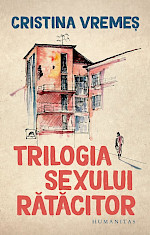
Błądząca płeć. Trylogia
Translated from
Romanian
to
Polish
by Olga Bartosiewicz-Nikolaev
Written in Romanian by Cristina Vremes
7 minutes read
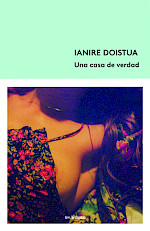
Pravi dom
Translated from
Spanish
to
Serbian
by Irena Selaković
Written in Spanish by Ianire Doistua
9 minutes read