View all filters
Clear








Evoluția măselei
Translated from
Dutch
to
Romanian
by Alexa Stoicescu
Written in Dutch by Alma Mathijsen
9 minutes read
Jeriha - Odlomek iz Jeriha (delovni naslov)
Translated from
Italian
to
Slovenian
by Martin Kastelic
Written in Italian by Fabrizio Allione
8 minutes read
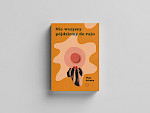
Vsi ne bomo šli v nebesa
V eni roki piksna piva, v drugi rožni venec, cigareta v ustih, na radiu Aerosmith. Tri punce, ki druga do druge nekaj čutijo, se v razpadajočem oplu vozijo čez provincialno Poljsko. Ena pripoveduje o svojem življenju: o prvi šoli, prvem prijateljstvu in prvi ljubezni. Duhološka odprava v devetdeseta in dvatisoča leta, na katero se poda pripovedovalka tega romana ceste, se izkaže za prodorno analizo razredno-spolne identitete ter poskus opisa homoerotičnega hrepenenja: spočetka povsem zatrtega s strani heternonormativne družbe, potlej izraženega skozi drobne geste in poljube, končno – javno izpovedanega med popotovanjem. Njen geografski cilj je Radom, eksistencialni pa – transgresija, afirmacija in ekstatično doživetje svobode.
V sodobni poljski literaturi je malo takih knjig kot Vsi ne bomo šli v nebesa Olge Górske. Avtorica je dosegla to, kar se je dolgo zdelo nemogoče: brezkompromisno je opisala izkušnjo odraščanja kot lezbijka na Poljskem v 90. letih prejšnjega stoletja, in to tako, da je uspela s knjigo doseči širok krog bralcev. Tri leta po zidu – kar je v današnji tržni resničnosti dolgo – je knjiga še vedno prebirana in diskutirana; in čeprav na Poljskem vsake toliko izide kakšna lezbična knjiga, ta ostaja edina, ki je lezbično izkušnjo spretno prelila v romaneskno formo. Kako ji je to uspelo? Vsi ne bomo šli v nebesa se nas dotakne s pristnimi, univerzalnimi opisi romantičnih zagat v nestanovitnih časih zgodnjega kapitalizma, ki je v 90. letih z Zahoda prihrumel na Poljsko. Pred nami razgrinja prelom 20. in 21. stoletja, a ne skozi prizmo političnih dogodkov in velikomeščanske emancipacije, temveč skozi opise vsakdana v majhnem mestu, ljudske religioznosti, pomešane s prebujajočo se seksualnostjo, in najstniške glasbene fascinacije današnjih milenijcev. Kot to zmore le najboljša književnost, pripoveduje o identiteti, brez da bi se posluževala te besede. Górska piše z izrazitim in ekspresivnim jezikom, iz srca, a hkrati s filozofsko prodornostjo. Knjiga je brez dvoma lezbična klasika. – dr. Małgorzata Tarnowska-Sikora, urednica in literarna kritičark
Translated from
Polish
to
Slovenian
by Sara Hočevar Mucić
Written in Polish by Olga Górska
6 minutes read
Mâine
Translated from
Portugese
to
Romanian
by Iolanda Vasile
Written in Portugese by Patrícia Patriarca
8 minutes read
Elogio dell’uragano
Translated from
Spanish
to
Italian
by Ilaria Garelli
Written in Spanish by Alejandro Morellón Mariano
4 minutes read

Vogels die de toekomst zingen
Translated from
Spanish
to
Dutch
by Joep Harmsen
Written in Spanish by Alejandro Morellón Mariano
5 minutes read
Morana
Translated from
Czech
to
Polish
by Agata Wróbel
Written in Czech by Lucie Faulerová
8 minutes read
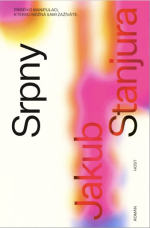
Серпні
Наскільки далеко ми здатні зайти заради іншої людини?
Замість обіймів рідних Даніелу змалку огортала тривога, що повертається з дивною періодичністю — щосерпня. Сонячні дні не приносять їй радості, а лише завдають болю. Коли в університеті вона зустрічає Штєпана, то гадає, що неприємним літнім дням нарешті покладено край. Та дівчина ще не здогадується: від такого минулого не втечеш.
У романі Якуб Станюра доволі незвично працює з темою газлайтингу — особливою формою маніпуляції, яка змушує жертву сумніватися у власній раціональності, пам’яті та сприйнятті реальності загалом.
Translated from
Czech
to
Ukrainian
by Olha-Anastasiia Futoran
Written in Czech by Jakub Stanjura
8 minutes read
Kao životinje
Translated from
Dutch
to
Serbian
by Jana Živkić
Written in Dutch by Lieselot Mariën
8 minutes read
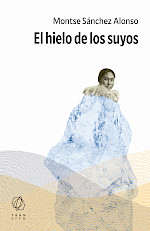
Їхня крига
Ми у віддаленому містечку Номе, Аляска, йде 1921 рік. Ада Блекджек, молода інупіатка, вирішує залишити свого сина Беннета, хворого на туберкульоз, у притулку, доки не зможе забезпечити йому прожиток. Незабаром їй випадає щаслива нагода: корабель із Сіетла. На борту — чотири дослідники, сповнені жаги до пригод і колоніальних фантазій, а також кішка Вік. Вони прямують до острова Врангель — останнього притулку мамонтів — аби приєднати цю територію до Британської конфедерації; тому розшукують когось з інупіатів, хто готуватиме їм їжу та шитиме одяг. Ось так Ада, незважаючи на передбачення шамана, вирушає в арктичну експедицію. За кілька місяців усі дослідники загинуть, і Аді доведеться виживати самотужки на острові Врангеля, лише в компанії Вік. Для цього вона муситиме стати схожою на Велику Північ і повернути собі свою ідентичність жінки-інупіатки, придушену роками колоніалізму. Під час своєї трансформації вона зіткнеться з глибинами криги і самої себе, голодом, смертю Бога, ведмедем Нануком, а також з ймовірністю того, що вона не повернеться до Нома, коли припливе рятувальний корабель. Навіщо їй рятувати сина, якщо колоніальний порядок ніколи не дасть йому можливості реалізуватися? Чи зможе вона бути хорошою матір’ю, якщо повернення загрожує їй рабством? Її повернення має допомогти Беннету пізнати ніжність та їхню кригу.
Translated from
Spanish
to
Ukrainian
by Oleksandra Laktionova
Written in Spanish by Montserrat Sánchez
7 minutes read
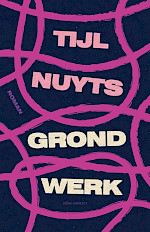
Grondwerk
Grondwerk [Groundwork] (2025) explores climate change, collective action and attempts to make the world habitable in poetic and sensory language. In the novel, a naked mole-rat is sent on a mission from her colony in the Horn of Africa to a square in Brussels. Waiting for a briefing that fails to arrive, she observes the curious ways of the homo sapiens and starts digging tunnels in Brussels’ underbelly. As sinkholes grow all over the city – fragmenting the infrastructure of the political heart of Europe – a meeting and growing friendship with a climate activist produces an unexpected twist. Grondwerk was shortlisted for the Boekenbon Literatuurprijs and very positively reviewed in the Belgian and Dutch press.
Written in Dutch by Tijl Nuyts
9 minutes read
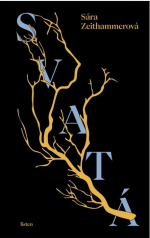
Светица
Животът на овдовялата гостилничарка Алойзие се преобръща с главата надолу в момента, в който Дева Мария се явява на дъщеря ѝ Криста в гората. Макар освен Криста никой друг да не я е видял, вестта за явяването бързо се разнася – тълпи от хора започват да се стичат към забравения край и западналата кръчма най-сетне се замогва. Криста е в еднаква степен обожавана и ненавиждана от обкръжението си. Самата Алойзие не знае на чия страна да застане. Дъщеря ѝ лъжкиня ли е, или визионерка? И в гората действително ли се е явила Божията Майка, или нещо много по-ужасяващо? Тази история за любовта, вярата и твърдата воля стъпва върху действителни събития, разиграли се през деветнадесети век в Броумовско.
Тази колоритна история предлага всичко, което аз лично очаквам от един роман: напрежение, развити отношения между героите, динамика, но същевременно оставя достатъчно пространство да се замислите върху обществените норми, които са съпровождали ожесточената борба за еманципацията на жените. — novinky.c
Translated from
Czech
to
Slovenian
by Katerina Stoyanova
Written in Czech by Sára Zeithammerová
10 minutes read
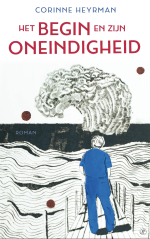
El comienzo infinito
Translated from
Dutch
to
Spanish
by Beatriz Jiménez
Written in Dutch by Corinne Heyrman
10 minutes read
L’inizio e la sua eternità
Translated from
Dutch
to
Italian
by Jessica Rostro Benigno
Written in Dutch by Corinne Heyrman
9 minutes read
Krimski roman
Translated from
Ukrainian
to
Serbian
by Dragana Vasilijević-Valent
Written in Ukrainian by Anastasia Levkova
8 minutes read
Todo el amor que cabe en un recuerdo
Todo el amor que cabe en un recuerdo pone el foco en la relación entre tres generaciones de mujeres, que entienden el mundo de maneras casi incompatibles entre sí. La familia y su precario equilibrio se ven sacudidos por el ingreso repentino de la más anciana de ellas. Los miedos paralizantes toman forma ante la cercanía de una muerte inminente. Sus mecanismos de defensa, especialmente las formas en que cada una parasita la vida de la otra en nombre del deber y del amor materno, salen a la superficie. Y Leia, situada en el punto intermedio, es quien registra los cambios, quien filtra la realidad, se esfuerza por transcribirla y darle sentido; quien negocia constantemente su identidad, en un intento de descubrir quién queda fuera de los roles de hija y de madre y de encontrar un camino hacia puerto seguro.- Eli Bădică, editor.
Translated from
Romanian
to
Spanish
by Borja Mozo
Written in Romanian by Maria Orban
10 minutes read
Como los animales
En Als de dieren, una mujer indaga en aquello a lo que se tuvo que enfrentar tras dar a luz por primera vez —una experiencia tan oscura que se resiste a la lengua y al significado—. Busca puntos de apoyo en el reino animal y en los antiguos mitos, pero también en la memoria física de su posparto: fotos, correos e, incluso, las listas de la compra de aquella época tan cruda. ¿Cómo se convierte una en madre, mucho después de haber traído a alguien al mundo? ¿Y cómo se pueden volver a juntar los pedazos de una persona después de que se haya desmoronado?
Translated from
Dutch
to
Spanish
by Pablo Martín Sánchez
Written in Dutch by Lieselot Mariën
9 minutes read
Alle dieren van het veld
Translated from
Spanish
to
Dutch
by Joep Harmsen
Written in Spanish by Adriana Murad Konings
9 minutes read
Hej, devojke (It’s Both Heaven and Hell Here. Moldova: a Century of Lived History)
Translated from
Romanian
to
Serbian
by Mirela Belada
Written in Romanian by Paula Erizanu
7 minutes read

Změna plánu
Translated from
Spanish
to
Czech
by Martina Kutková
Written in Spanish by Aixa De la Cruz Regúlez
5 minutes read