View all filters
Clear








Meine Mutter hat Blumen gezüchtet (Condițiile nu sunt importante)
Translated from
Serbian
to
Romanian
by Aleksandra Petrov
Written in Serbian by Ljiljana D. Ćuk
6 minutes read
Přibližně v ten samý okamžik mě pohltilo město
Translated from
Ukrainian
to
Czech
by Adéla Mikešová
Written in Ukrainian by Anastasia Levkova
8 minutes read
Uma bomba a iluminar a noite do Marão
Translated from
Portugese
to
Polish
by Gabriel Borowski
Written in Portugese by Daniela Costa
7 minutes read
Čistilna naprava
Translated from
Czech
to
Slovenian
by Vesna Dragar
Written in Czech by Anna Háblová
9 minutes read

Kudlanka
Mie je dvacet šest let a každý den se probírá hrůzami světa: pracuje jako moderátorka obsahu a musí cenzurovat ta nejbrutálnější videa, která kolují po internetu. Od chvíle, kdy její bývalý přítel Ruben zemřel po zásahu elektrickým proudem ve vaně, se točí v kruhu nihilismu a výčitek, otupělá svou prací i psychofarmaky, ožívající jen občas díky přátelství s Dennisem a Miriam. Minulost s Rubenem je archivem krutých vzpomínek, podobně krutých jako obrazy, které musí odstraňovat z internetu, ale vzpomínky ze své paměti vymazat nedokáže: jeho citové vydírání, když ji obviňoval, že ho užírá jako kudlanka, strach z toho ho opustit. Když však narazí na video Sofie, dívky, která se jí podobá a která skočí z mostu, Mia se probere a rozhodne se jít po dívčiných stopách: setká se s jejím přítelem Lapem, vycházející hudební hvězdou, i s její kamarádkou Margot, eskort pracovnicí a tanečnicí v nočním klubu, a oběma podlehne v jakési vířivé hře zrcadel. Nakonec se Mia spolu s Miriam a Margot rozhodnou dát si šanci na jinou cestu, v paktu sesterství mimo zaběhlé normy, který dokáže rozlousknout skořápku její bolesti. Kudlanka (Mantide) vypráví příběh mladé ženy, která vzdoruje ztrátě i samotě, bouří se proti po generace předávanému pocitu ženské viny a směřuje vpřed, ke světlu svého budoucího já.
Translated from
Italian
to
Czech
by Anna Kostková
Written in Italian by Cecilia Rita
8 minutes read

Caseggiati arancioni
Translated from
Spanish
to
Italian
by Martino Gandi
Written in Spanish by Luis Díaz
8 minutes read

Días con síntomas extraños
Sísifo deambula por el infierno con una silla de ruedas vacía y no sabe muy bien qué hace allí, salvo que tiene que recoger a su hija, quien padece múltiples discapacidades, del centro de día. Se trata de una misión que fracasa una y otra vez, tras lo cual regresa decepcionada al destartalado piso de la planta baja de un excéntrico complejo de apartamentos. Cuando su casera, aparentemente de la nada, entabla conversación con ella, Sísifo empieza a recordar ciertas cosas.
Translated from
Dutch
to
Spanish
by Beatriz Jiménez
Written in Dutch by Leonieke Baerwaldt
9 minutes read
Dani kao čudni simptomi
Translated from
Dutch
to
Serbian
by Tamara Britka
Written in Dutch by Leonieke Baerwaldt
8 minutes read
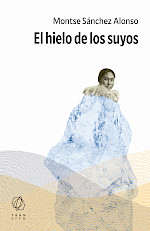
Il ghiaccio dei suoi
Villaggio di Nome, Alaska, 1921. Ada Blackjack, una giovane iñupiat, decide di affidare a un ospizio suo figlio Bennett, malato di tubercolosi, finché non troverà il modo di mantenerlo. Un’occasione le capita per caso: una nave proveniente da Seattle. A bordo ci sono quattro esploratori assetati di avventure e impregnati di fantasie coloniali, e insieme a loro la gatta Vic. Sono diretti all’isola di Wrangell – l’ultimo rifugio dei mammut – per annettere il territorio alla Confederazione Britannica. Prima di partire cercano una donna iñupiat che cucini e cucia per loro durante la traversata. È così che Ada, ignorando i presagi dello sciamano, si imbarca in una spedizione artica. Pochi mesi dopo tutti gli esploratori saranno morti e Ada dovrà sopravvivere da sola a Wrangell con l’unica compagnia di Vic. Per riuscirci dovrà assomigliare al Grande Nord e riappropriarsi della sua identità di donna iñupiat, sepolta da anni di colonialismo. Durante questa trasformazione affrontarerà le profondità del ghiaccio e di se stessa, la fame, la morte di Dio, l’orso – Nanuq –,e infine la possibilità di non tornare a Nome quando arriverà una nave in soccorso. A cosa le servirà salvare suo figlio se l’ordine coloniale non le permetterà mai di realizzarsi? Potrà essere una buona madre se tornando rischia la servitù? Il suo ritorno finale serve a far conoscere a Bennett la tenerezza e il ghiaccio della sua gente.
Translated from
Spanish
to
Italian
by Martino Gandi
Written in Spanish by Montserrat Sánchez
9 minutes read
La renegada
Translated from
Italian
to
Spanish
by Camila Ramírez
Written in Italian by Valeria Usala
10 minutes read
Ледът на нейния народ
Намираме се в отдалеченото селце Ноум, Аляска, а годината е 1921. Ада Блекджек, млада жена от племето инупиат, решава да остави сина си Бенет, болен от туберкулоза, в приют, докато не намери начин да го издържа. Скоро ѝ се отваря изненадваща възможност: кораб, идващ от Сиатъл. На борда му пътуват четирима изследователи, с жажда за приключения и колониални фантазии, както и котката Вик. Те се отправят към остров Врангелия –последното убежище на мамутите–, за да присъединят територията към Британската конфедерация; търсят жена инупиат, която да готви и шие за тях по време на пътуването. Така Ада, без да обръща внимание на предсказанията на шамана, се впуска в арктическа експедиция. Няколко месеца по-късно всички изследователи ще са загинали и Ада ще трябва да оцелее сама на Врангелия, единствено в компанията на Вик. За да успее, тя ще трябва да заприлича на Големия Север и да си възвърне идентичността на жена от инупиатите, потъпкана от години на колониализъм. По време на своята трансформация тя ще се изправи пред дълбините на леда и на самата себе си; пред глада; пред смъртта на Бога; пред Нанук, мечката; както и пред възможността да не се върне в Ноум, когато пристигне спасителният кораб. Каква полза ще има от спасяването на сина си, ако колониалният ред никога няма да ѝ позволи да разцъфне? Може ли тя да бъде добра майка, ако с връщането си рискува да попадне в робство? Окончателното ѝ завръщане се случва, за да може Бенет да познае нежността и леда на нейния народ.
Translated from
Spanish
to
Bulgarian
by Ivana Peneva
Written in Spanish by Montserrat Sánchez
8 minutes read

De vlucht (De wiskunde van de misdaad)
Translated from
Czech
to
Dutch
by Lysanne Aarsman
Written in Czech by Magdalena Sodomková
11 minutes read
Дни като странни симптоми
Сизиф блуждае из ада с празна инвалидна количка и не знае какво точно търси там, освен че трябва да вземе дъщеря си, която е с множество проблеми в развитието, от дневния център. Мисия, в която тя всеки път се проваля, след което, разочарована, се връща в занемарения си апартамент на приземния етаж в странен жилищен комплекс. Когато хазяйката ѝ, сякаш от нищото, завързва разговор с нея, спомените ѝ внезапно започват да се възвръщат.
„Дни като странни симптоми” е битка с унинието, експедиция до границите на майчинството, на надеждата и отчаянието, на живота и смъртта.
Роман, който те уцелва като убиец от засада, жегва и сърцето, и ума, стреля безкомпромисно точно. — в-к „НРК”
„Дни като странни симптоми” е многопластов роман с препратки към философията и гръцката митология. Безмилостната фрагментарна форма и невинаги лекият стил, избрани от Леонике Барвалт, свидетелстват за кураж и оригиналност. Читателят, който ще се осмели да се впусне в разказа за тази на пръв поглед затворена в себе си майка, ще бъде дълбоко трогнат от този изключителен роман. — Лаудацио на журито на Литературната награда на банка БН
Translated from
Dutch
to
Bulgarian
by Elena Dimitrova
Written in Dutch by Leonieke Baerwaldt
9 minutes read
De evolutie van een kies
Written in Dutch by Alma Mathijsen
9 minutes read
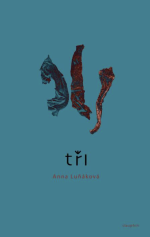
Три!
Translated from
Czech
to
Ukrainian
by Olha-Anastasiia Futoran
Written in Czech by Anna Luňáková
7 minutes read
Spotkanie po latach
Translated from
Romanian
to
Polish
by Olga Bartosiewicz-Nikolaev
Written in Romanian by Alexandru Potcoavă
8 minutes read
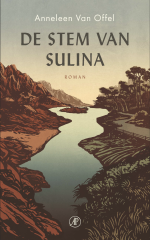
Гласът на Сулина
Translated from
Dutch
to
Bulgarian
by Elissaveta Manolova Maciel
Written in Dutch by Anneleen Van Offel
7 minutes read
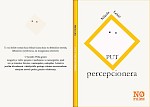
Lotosovi cvetovi koji se zatvaraju (kada se u njih uđe) (Put percepcionera)
„U ruci držite roman koji obiluje licima koja su delimično nestala, delimično (ne)stvarna, na marginama istinitosti.
U hostelu Preko granice moguće je veđto spojeno i ujedinjeno sa nemogućim, ipak sve je izuzetno životno i materijalno, neknjiško. Lekićeva jezička izbrušenost i detaljistički pristup rubnim emocionalnim stanjima navodi preko granice očekivanja.“
Written in Serbian by Nikola Lekić
6 minutes read
Led jejího lidu
Nacházíme se v odlehlé vesnici Nome na Aljašce, píše se rok 1921. Ada Blackjack, dívka z kmene Inupiat, se rozhodne odložit svého syna Bennetta, nakaženého tuberkulózou, do sirotčince, než přijde na způsob, jak ho uživit. Brzy si ji příležitost najde sama, a sice v podobě lodi připlouvající ze Seattlu. Plaví se na ní čtyři průzkumníci toužící po dobrodružství, plní koloniálních fantazií, a také kočka Vic. Míří na Wrangelův ostrov – poslední útočiště mamutů –, aby toto území připojili k britské konfederaci; hledají Inupiatku, která by jim během plavby vařila a šila. A tak se Ada bez ohledu na šamanova varování přidá k arktické expedici. Po několika měsících budou všichni objevitelé po smrti a Ada bude muset na Wrangelově ostrově přežít sama s Vic. Musí se proto přizpůsobit polární oblasti a znovuobjevit svou identitu inupiatské ženy, potlačenou léty kolonialismu. Při této proměně bude čelit hlubinám ledové země i svého nitra, hladu, smrti Boha, medvědu Nanukovi a možnosti, že až připluje záchranná loď, ona se do Nome nevrátí. K čemu bude záchrana syna, když ho koloniální řád nikdy nenechá najít vlastní potenciál? Bude moci být dobrou matkou, když po návratu riskuje nevolnictví? Nakonec se vrátí, aby Bennett poznal něhu a led jejího lidu.
Translated from
Spanish
to
Czech
by Markéta Cubrová
Written in Spanish by Montserrat Sánchez
7 minutes read
Sutra
Translated from
Portugese
to
Serbian
by Tamina Šop
Written in Portugese by Patrícia Patriarca
7 minutes read