View all filters
Clear








Jeriha - Odlomek iz Jeriha (delovni naslov)
Translated from
Italian
to
Slovenian
by Martin Kastelic
Written in Italian by Fabrizio Allione
8 minutes read
Elogio dell’uragano
Translated from
Spanish
to
Italian
by Ilaria Garelli
Written in Spanish by Alejandro Morellón Mariano
4 minutes read
A Ilha
Translated from
Polish
to
Portugese
by Katarzyna Ulma Lechner
Written in Polish by Urszula Jabłońska
10 minutes read
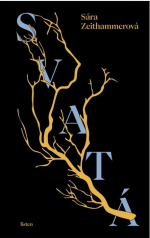
Светица
Животът на овдовялата гостилничарка Алойзие се преобръща с главата надолу в момента, в който Дева Мария се явява на дъщеря ѝ Криста в гората. Макар освен Криста никой друг да не я е видял, вестта за явяването бързо се разнася – тълпи от хора започват да се стичат към забравения край и западналата кръчма най-сетне се замогва. Криста е в еднаква степен обожавана и ненавиждана от обкръжението си. Самата Алойзие не знае на чия страна да застане. Дъщеря ѝ лъжкиня ли е, или визионерка? И в гората действително ли се е явила Божията Майка, или нещо много по-ужасяващо? Тази история за любовта, вярата и твърдата воля стъпва върху действителни събития, разиграли се през деветнадесети век в Броумовско.
Тази колоритна история предлага всичко, което аз лично очаквам от един роман: напрежение, развити отношения между героите, динамика, но същевременно оставя достатъчно пространство да се замислите върху обществените норми, които са съпровождали ожесточената борба за еманципацията на жените. — novinky.c
Translated from
Czech
to
Slovenian
by Katerina Stoyanova
Written in Czech by Sára Zeithammerová
10 minutes read

Je to můj život
Je to můj život, kniha, napsaná formou detektivního románu, líčí vztah tří žen z rozdílného sociálního prostředí: Angely Popové, kurátorky v galerii (a čerstvé matky), Grety Rothové (vyšetřovatelky z oddělení vražd) a Carly (Razii), sexuální pracovnice.
Angela trpí poporodní depresí a pociťuje palčivou potřebu mít věci pod kontrolou. Tato potřeba nakonec vyústí v uměleckou instalaci, nazvanou „Je to můj život“, kterou věnuje dceři Elize a sestře Raise. Do jejího plánu vstoupí Carla, s níž se náhodně seznámí při jedné z večerních vycházek, i bývalý spolužák z univerzity, novinář Lazăr Mitrea. Carla je zároveň – byť jen na krátký čas – milenkou Grety, policistky pověřené vyšetřováním podezřelé smrti Angely Popové.
Rozdílné dějové linky se proplétají kolem dilematu: je Angelina smrt vražda, nebo sebevražda? Pokud je to zločin, kdo je pachatel? Je pachatelů víc? Podezřelými se postupně stávají všichni „blízcí“ oběti. Podezření a napětí – jak narativní, tak mezi postavami – přetrvává až do finále, kdy vyjde najevo, že Angela Popová všechny vztahy zinscenovala, aby uskutečnila svůj plán: instalaci-manifest.
Touha po sebevraždě a známky postupného psychického úpadku jsou roztroušené v celém románu, nevedou však nutně k závěru, že právě to byl Angelin záměr. Dilema vražda-sebevražda zůstává otevřené do posledních stránek knihy.
Je to můj život bourá stereotypy a předsudky spojené s rodinou, genderem, sexualitou a duševními poruchami. Román tak vrcholí jistým druhem manifestu, jenž vybízí k zamyšlení, přijetí, porozumění a empatii.
Translated from
Romanian
to
Czech
by Klára Našincová
Written in Romanian by Emilia Faur
7 minutes read
Dnevnik
Translated from
Slovenian
to
Serbian
by Jelena Dedeić
Written in Slovenian by Mirt Komel
9 minutes read
L'isola
Translated from
Polish
to
Italian
by Giulio Scremin
Written in Polish by Urszula Jabłońska
10 minutes read
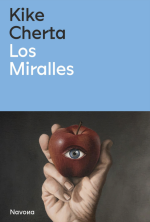
Familia Miralles
Translated from
Spanish
to
Romanian
by Ilinca Gângă
Written in Spanish by Kike Cherta
9 minutes read
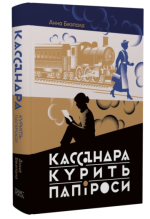
Kassandra fumează țigări de foi
Kievul de astăzi, alarma aeriană. Studenta Lesia se ascunde în subsol. Acolo dă peste jurnalul studentei și asistentei Natalia. Începe să-l citească.
Natalia descrie cele două săptămâni dinaintea intrării Armatei Roșii în Kiev, primele săptămâni de independență ucraineană. Începe cu fuga pacientului ei. Pacientul e un fost înalt funcționar imperial, cu un caz unic de schizofrenie. Datorită cercetării cazului lui, Natalia speră să își facă un renume în psihiatrie. Pentru a avea acces la pacient, fata trebuie să prevină următoarele lui evadări. Reușește să ia pe umerii ei responsabilitatea salvării familiei lui din oraș, întrucât acesta era motivul evadării lui.
Pentru a-și duce la îndeplinire promisiunea, Natalia e nevoită să se bazeze pe o cunoștință recentă, Anatol, și să câștige încrederea fiicei celei mari a pacientului, a Kasiei (Kassandra). Kasia e capul familiei și are propriile ei probleme, are niște vedenii groaznice, care se adeveresc.
Încercările Nataliei de a găsi bilete de plecare sunt încetinite de un șir de întâmplări aparent obișnuite, dar nefericite. Acestora li se adaugă revolta bolșevicilor din oraș, căreia i se alătură apropiații ei. Fata începe să se împartă între obligațiile față de pacient și patriotism, care o ține alături de răniți și de noua ei iubire, ofițerul Vasyl. În final, în urma discuțiilor purtate cu familia rănitului, Natalia formează puzzle-ul și înțelege că Anatol nu e așa cum a lăsat impresia. În realitate, el are niște socoteli mai vechi cu familia pacientului. El nu o ajuta pe Natalia, ci se asigura că familia nu va reuși să fugă.
Datorită legăturilor cu soldații ucraineni, fata reușește să scoată familia din oraș cu un automobil militar. Dacă pleacă și Natalia, e o chestiune lăsată la latitudinea cititorilor. Încetarea alarmei aeriene. Lesia află cărui fapt se datorează prezența jurnalului Nataliei în subsolul ei. Trei epiloguri: de la Anatol, Vasyl și o cunoscută de-a Nataliei. Pe parcursul cărții sunt și note stilizate din partea Kasiei dintr-o atemporalitate mistică.
O poveste despre primul război ucrainean pentru independență în secolul XX, scrisă din perspectivă feminină și feministă, de către o autoare în vârstă de 20 de ani.
În carte apar diverși locuitori ai Kievului de atunci, de la străini celebri, precum Jaroslav Hašek și Tomáš Garrigue Masaryk, până la evrei și polonezi kieveni activi.
Translated from
Ukrainian
to
Romanian
by Jessica Bilcec
Written in Ukrainian by Anna Bezpala
11 minutes read
Jerycho
Translated from
Italian
to
Polish
by Mateusz Kłodecki
Written in Italian by Fabrizio Allione
7 minutes read
Svetica
Translated from
Czech
to
Serbian
by Jelena Đorđević
Written in Czech by Sára Zeithammerová
14 minutes read
Sveta
Življenje ovdovele krčmarke Aloisije se obrne na glavo v trenutku, ko se njeni hčeri Kristi v gozdu prikaže Devica Marija. Četudi je razen Kriste nihče ni videl, se novica o videnju hitro razširi, v pozabljen košček sveta začnejo prihajati procesije in zadolženo gostišče končno zacveti. Kristo okolica v isti meri obožuje in sovraži. Aloisie ne ve, kateri strani se pridružiti. Je njena hči lažnivka ali vizionarka? In se v gozdu res pojavlja Mati Božja ali nekaj dosti bolj strašljivega? Zgodba o ljubezni, veri in neskončni volji temelji na resničnih dogodkih, ki so se zgodili v devetnajstem stoletju na Broumovskem.
V barviti pripovedi najdemo vse, kar od romana osebno pričakujem: napetost, izbrušene odnose med liki, živahen tempo, ki vam pusti dovolj prostora za premislek o družbenih normah, ki so zaznamovale trdi boj za žensko emancipacijo. — novinky.cz
Translated from
Czech
to
Slovenian
by Aleš Belšak
Written in Czech by Sára Zeithammerová
9 minutes read
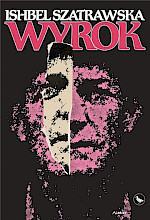
Het vonnis
Translated from
Polish
to
Dutch
by Małgosia Briefjes
Written in Polish by Ishbel Szatrawska
9 minutes read
Óda na hurikán
Translated from
Spanish
to
Czech
by Martina Kutková
Written in Spanish by Alejandro Morellón Mariano
3 minutes read
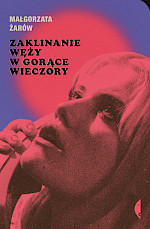
Заклинання змій спекотними вечорами
Translated from
Polish
to
Ukrainian
by Julia Stakhivska
Written in Polish by Małgorzata Żarów
9 minutes read
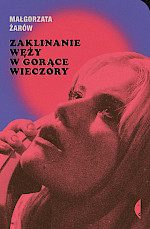
Descântecul șerpilor în serile toride
Povestea unei tinere care hoinărește printr-o Varșovie suprarealistă într-o rochie de mireasă ruptă. E dată cu vopsea aurie, în loc de poșetă ține o sticlă cu vin, iar în corset ascunde un obiect furat. Întoarcerea acasă îi e îngreunată de o căldură apocaliptică și de nori de fum negru ce se îndreaptă spre oraș.
Persoanele pe care le întâlnește sunt și mai surprinzătoare decât vremea din capitală. Ambroży vrea să creeze o operă de artă deși e lipsit de talent. Ramona se ocupă de mâinile clientelor într-un mod complex: face manichiura și ghicește în palmă. Stefan dă asigurări că e albinos – sau cel puțin așa e o anumită parte a corpului său. Discuțiile cu ei sunt doar un pretext pentru a povesti despre sine și experiențele sale. Sau mai degrabă despre persoana pe care o înfățișează, căci numele real al protagonistei rămâne un mister până la capăt. Știm numai pseudonimul ei – Violet Love, camgirl, cum se prezintă în fața bărbaților care o plătesc pentru a le îndeplini fanteziile, nu numai sexuale.
„Sunt uimită de acest debut: Żarów a scris o carte complicată, încâlcită și foarte senzorială, în care fiecare frază e ingenioasă și necesară. Puzzle-ul împrăștiat de autoare în Descântecul șerpilor... se poate recompune din nou într-o imagine nu prea plăcută – poate în spiritul lui David Lynch, nu toate piesele încap ușor la locul lor, poate ne rămâne în palmă portretul unui bărbat îmbrăcat în negru într-o stație suburbană sau un ciob de oglindă. Dar prin labirintul acestei povești trece un fir care ne ajută să găsim sensul. Trebuie să ne orientăm înspre raportul privirii și al forței. Care e mai puternică? Persoana care privește sau cea care face spectacol pentru privire?” Olga Wróbel
Translated from
Polish
to
Romanian
by Oana-Andreea Stoe
Written in Polish by Małgorzata Żarów
10 minutes read
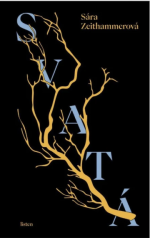
Heilig
Translated from
Czech
to
Dutch
by Lysanne Aarsman
Written in Czech by Sára Zeithammerová
12 minutes read

24
Translated from
Serbian
to
Dutch
by Pavle Trkulja
Written in Serbian by Marija Pavlović
10 minutes read
Dziennik
Translated from
Slovenian
to
Polish
by Joanna Borowy
Written in Slovenian by Mirt Komel
8 minutes read
Deník
Translated from
Slovenian
to
Czech
by Kateřina Honsová
Written in Slovenian by Mirt Komel
8 minutes read