View all filters
Clear








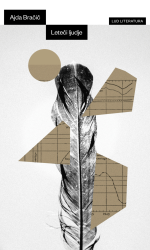
Nie ma nikogo, kto byłby do ciebie podobny
Translated from
Slovenian
to
Polish
by Aleksandra Wójcik
Written in Slovenian by Ajda Bračič
7 minutes read
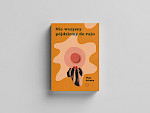
Vsi ne bomo šli v nebesa
V eni roki piksna piva, v drugi rožni venec, cigareta v ustih, na radiu Aerosmith. Tri punce, ki druga do druge nekaj čutijo, se v razpadajočem oplu vozijo čez provincialno Poljsko. Ena pripoveduje o svojem življenju: o prvi šoli, prvem prijateljstvu in prvi ljubezni. Duhološka odprava v devetdeseta in dvatisoča leta, na katero se poda pripovedovalka tega romana ceste, se izkaže za prodorno analizo razredno-spolne identitete ter poskus opisa homoerotičnega hrepenenja: spočetka povsem zatrtega s strani heternonormativne družbe, potlej izraženega skozi drobne geste in poljube, končno – javno izpovedanega med popotovanjem. Njen geografski cilj je Radom, eksistencialni pa – transgresija, afirmacija in ekstatično doživetje svobode.
V sodobni poljski literaturi je malo takih knjig kot Vsi ne bomo šli v nebesa Olge Górske. Avtorica je dosegla to, kar se je dolgo zdelo nemogoče: brezkompromisno je opisala izkušnjo odraščanja kot lezbijka na Poljskem v 90. letih prejšnjega stoletja, in to tako, da je uspela s knjigo doseči širok krog bralcev. Tri leta po zidu – kar je v današnji tržni resničnosti dolgo – je knjiga še vedno prebirana in diskutirana; in čeprav na Poljskem vsake toliko izide kakšna lezbična knjiga, ta ostaja edina, ki je lezbično izkušnjo spretno prelila v romaneskno formo. Kako ji je to uspelo? Vsi ne bomo šli v nebesa se nas dotakne s pristnimi, univerzalnimi opisi romantičnih zagat v nestanovitnih časih zgodnjega kapitalizma, ki je v 90. letih z Zahoda prihrumel na Poljsko. Pred nami razgrinja prelom 20. in 21. stoletja, a ne skozi prizmo političnih dogodkov in velikomeščanske emancipacije, temveč skozi opise vsakdana v majhnem mestu, ljudske religioznosti, pomešane s prebujajočo se seksualnostjo, in najstniške glasbene fascinacije današnjih milenijcev. Kot to zmore le najboljša književnost, pripoveduje o identiteti, brez da bi se posluževala te besede. Górska piše z izrazitim in ekspresivnim jezikom, iz srca, a hkrati s filozofsko prodornostjo. Knjiga je brez dvoma lezbična klasika. – dr. Małgorzata Tarnowska-Sikora, urednica in literarna kritičark
Translated from
Polish
to
Slovenian
by Sara Hočevar Mucić
Written in Polish by Olga Górska
6 minutes read
Outra Cidade
Translated from
Czech
to
Portugese
by Stepanka Lichtblau
Written in Czech by Anna Háblová
11 minutes read
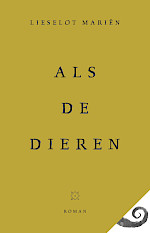
Kao životinje
Translated from
Dutch
to
Serbian
by Jana Živkić
Written in Dutch by Lieselot Mariën
8 minutes read
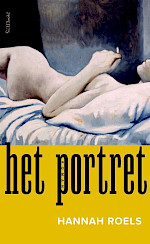
Het portret
Written in Dutch by Hannah Roels
7 minutes read
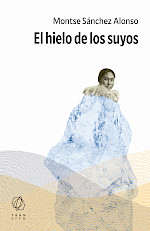
Їхня крига
Ми у віддаленому містечку Номе, Аляска, йде 1921 рік. Ада Блекджек, молода інупіатка, вирішує залишити свого сина Беннета, хворого на туберкульоз, у притулку, доки не зможе забезпечити йому прожиток. Незабаром їй випадає щаслива нагода: корабель із Сіетла. На борту — чотири дослідники, сповнені жаги до пригод і колоніальних фантазій, а також кішка Вік. Вони прямують до острова Врангель — останнього притулку мамонтів — аби приєднати цю територію до Британської конфедерації; тому розшукують когось з інупіатів, хто готуватиме їм їжу та шитиме одяг. Ось так Ада, незважаючи на передбачення шамана, вирушає в арктичну експедицію. За кілька місяців усі дослідники загинуть, і Аді доведеться виживати самотужки на острові Врангеля, лише в компанії Вік. Для цього вона муситиме стати схожою на Велику Північ і повернути собі свою ідентичність жінки-інупіатки, придушену роками колоніалізму. Під час своєї трансформації вона зіткнеться з глибинами криги і самої себе, голодом, смертю Бога, ведмедем Нануком, а також з ймовірністю того, що вона не повернеться до Нома, коли припливе рятувальний корабель. Навіщо їй рятувати сина, якщо колоніальний порядок ніколи не дасть йому можливості реалізуватися? Чи зможе вона бути хорошою матір’ю, якщо повернення загрожує їй рабством? Її повернення має допомогти Беннету пізнати ніжність та їхню кригу.
Translated from
Spanish
to
Ukrainian
by Oleksandra Laktionova
Written in Spanish by Montserrat Sánchez
7 minutes read
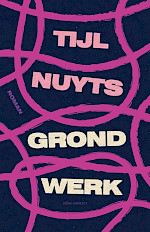
Grondwerk
Grondwerk [Groundwork] (2025) explores climate change, collective action and attempts to make the world habitable in poetic and sensory language. In the novel, a naked mole-rat is sent on a mission from her colony in the Horn of Africa to a square in Brussels. Waiting for a briefing that fails to arrive, she observes the curious ways of the homo sapiens and starts digging tunnels in Brussels’ underbelly. As sinkholes grow all over the city – fragmenting the infrastructure of the political heart of Europe – a meeting and growing friendship with a climate activist produces an unexpected twist. Grondwerk was shortlisted for the Boekenbon Literatuurprijs and very positively reviewed in the Belgian and Dutch press.
Written in Dutch by Tijl Nuyts
9 minutes read
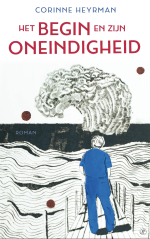
El comienzo infinito
Translated from
Dutch
to
Spanish
by Beatriz Jiménez
Written in Dutch by Corinne Heyrman
10 minutes read
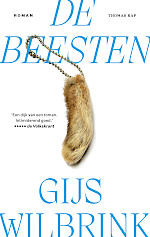
Зверовете
„Не искам да правя внушения, но скромното ми мнение е, че нещата с Том Келер се объркаха, още когато двамата му чичовци го заведоха посред нощ в гората и го накараха да върши неща, с които едно деветгодишно момче не би следвало да се занимава на такава крехка възраст.“
Така започва „Зверовете“, дебютният роман на Хейс Вилбринк. Действието се развива в Ахтерхук, сред рев на мотоциклети, безжалостни бракониери, ферми за норки и съмнителни сделки, които не могат да понесат дневната светлина. В този тайнствен граничен район израства Том Келер, най-младият потомък на най-известното семейство в околността и благословен с талант в мотоциклетния спорт. Когато години по-късно той внезапно изчезва, непокорната му дъщеря тръгва по следите му и се завръща в родното място, което води до драматична среща на семейството.
„Още с първото изречение писателят ни потапя дълбоко в своя свят с майсторство, сравнимо с това на Габриел Гарсия Маркес. Невероятен роман. Изключително добър.“ — de Volkskrant
„В разтърсващия дебют на Хейс Вилбринк читателят буквално усеща как селото го дебне с пронизващ поглед. Роман, който увлича като бурна река.“ — NRC
Translated from
Dutch
to
Bulgarian
by Elissaveta Manolova Maciel
Written in Dutch by Gijs Wilbrink
8 minutes read
L’inizio e la sua eternità
Translated from
Dutch
to
Italian
by Jessica Rostro Benigno
Written in Dutch by Corinne Heyrman
9 minutes read
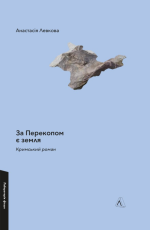
Krimski roman
Translated from
Ukrainian
to
Serbian
by Dragana Vasilijević-Valent
Written in Ukrainian by Anastasia Levkova
8 minutes read
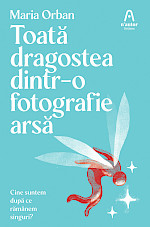
Todo el amor que cabe en un recuerdo
Todo el amor que cabe en un recuerdo pone el foco en la relación entre tres generaciones de mujeres, que entienden el mundo de maneras casi incompatibles entre sí. La familia y su precario equilibrio se ven sacudidos por el ingreso repentino de la más anciana de ellas. Los miedos paralizantes toman forma ante la cercanía de una muerte inminente. Sus mecanismos de defensa, especialmente las formas en que cada una parasita la vida de la otra en nombre del deber y del amor materno, salen a la superficie. Y Leia, situada en el punto intermedio, es quien registra los cambios, quien filtra la realidad, se esfuerza por transcribirla y darle sentido; quien negocia constantemente su identidad, en un intento de descubrir quién queda fuera de los roles de hija y de madre y de encontrar un camino hacia puerto seguro.- Eli Bădică, editor.
Translated from
Romanian
to
Spanish
by Borja Mozo
Written in Romanian by Maria Orban
10 minutes read

Je to můj život
Je to můj život, kniha, napsaná formou detektivního románu, líčí vztah tří žen z rozdílného sociálního prostředí: Angely Popové, kurátorky v galerii (a čerstvé matky), Grety Rothové (vyšetřovatelky z oddělení vražd) a Carly (Razii), sexuální pracovnice.
Angela trpí poporodní depresí a pociťuje palčivou potřebu mít věci pod kontrolou. Tato potřeba nakonec vyústí v uměleckou instalaci, nazvanou „Je to můj život“, kterou věnuje dceři Elize a sestře Raise. Do jejího plánu vstoupí Carla, s níž se náhodně seznámí při jedné z večerních vycházek, i bývalý spolužák z univerzity, novinář Lazăr Mitrea. Carla je zároveň – byť jen na krátký čas – milenkou Grety, policistky pověřené vyšetřováním podezřelé smrti Angely Popové.
Rozdílné dějové linky se proplétají kolem dilematu: je Angelina smrt vražda, nebo sebevražda? Pokud je to zločin, kdo je pachatel? Je pachatelů víc? Podezřelými se postupně stávají všichni „blízcí“ oběti. Podezření a napětí – jak narativní, tak mezi postavami – přetrvává až do finále, kdy vyjde najevo, že Angela Popová všechny vztahy zinscenovala, aby uskutečnila svůj plán: instalaci-manifest.
Touha po sebevraždě a známky postupného psychického úpadku jsou roztroušené v celém románu, nevedou však nutně k závěru, že právě to byl Angelin záměr. Dilema vražda-sebevražda zůstává otevřené do posledních stránek knihy.
Je to můj život bourá stereotypy a předsudky spojené s rodinou, genderem, sexualitou a duševními poruchami. Román tak vrcholí jistým druhem manifestu, jenž vybízí k zamyšlení, přijetí, porozumění a empatii.
Translated from
Romanian
to
Czech
by Klára Našincová
Written in Romanian by Emilia Faur
7 minutes read
Como los animales
En Als de dieren, una mujer indaga en aquello a lo que se tuvo que enfrentar tras dar a luz por primera vez —una experiencia tan oscura que se resiste a la lengua y al significado—. Busca puntos de apoyo en el reino animal y en los antiguos mitos, pero también en la memoria física de su posparto: fotos, correos e, incluso, las listas de la compra de aquella época tan cruda. ¿Cómo se convierte una en madre, mucho después de haber traído a alguien al mundo? ¿Y cómo se pueden volver a juntar los pedazos de una persona después de que se haya desmoronado?
Translated from
Dutch
to
Spanish
by Pablo Martín Sánchez
Written in Dutch by Lieselot Mariën
9 minutes read
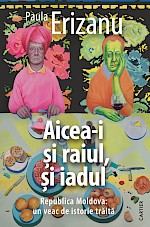
Hej, devojke (It’s Both Heaven and Hell Here. Moldova: a Century of Lived History)
Translated from
Romanian
to
Serbian
by Mirela Belada
Written in Romanian by Paula Erizanu
7 minutes read
Hou je stil
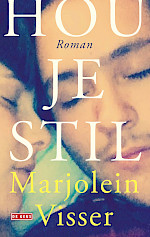
“Een verdwijning van een van ons haalt het nieuws niet, omdat het geen nieuws is. De rest van de wereld denkt niet aan je – niet als ze jouw coke snuiven, niet als ze de kleding dragen die jij maakte, niet als ze je hun land uitzetten.”
Dit is het verhaal over de uit Mexico gevluchte Alex, een teruggetrokken jongen die stage loopt op een Nederlandse universiteit en probeert te redden wat er te redden valt. Om te leven moet hij praten, om te overleven juist niet.
Hou je stil is een meeslepende roman over dichte grenzen en grenzeloze moed, over de kracht van taal en het troebele onderscheid tussen daders en slachtoffers.
Alle personages in dit boek zijn verzonnen. De feiten niet.
Het boek is gebaseerd op jarenlang onderzoek en verhalen van mensen met ervaring met vluchten of uitgezet worden, mensen werkzaam in asielrecht, docenten van verschillende (Mexicaanse) universiteiten, traumapsychologen, mensenrechtenactivisten, journalisten, ondergedoken mensen, en slachtoffers en daders van kartel/bendegeweld. Het verhaal schijnt licht op de impact van (internationale) overheden op individuen alsook op drugs gerelateerd en seksueel geweld. Ook legt dit aangrijpende verhaal de complexe relatie bloot tussen ‘drugslanden’ zoals Mexico en Europa: een continent dat haar grenzen steeds meer optrekt voor asielzoekers en tegelijkertijd een grote cocaïnedoorvoerder en – gebruiker is.
Written in Dutch by Marjolein Visser
9 minutes read
Základy
Translated from
Dutch
to
Czech
by Barbora Genserová
Written in Dutch by Tijl Nuyts
7 minutes read
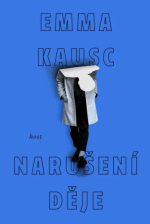
Нарушаване на действието
През седемдесетте години „Човекът къртица“ Уилиам Литъл изкопава в тунела под къщата си изречение, което необратимо ще повлияе на хода на историята на света. „Нашите животи вече не ни изглеждат струват като истории.“ Протагонистката на автофикционалния роман е тридесет и тригодишната Ема, която се опитва да открие чешките си корени, да приеме смъртта на майка си и да намери отговори на въпросите, свързани с изчезването на партньорката си. Историята около нея не се лее – обратното, събира се и разпръсва. Насред разрухата водното равнище катастрофално се покачва, а пожарите се развихрят. Ема си проправя път през руините в опит да се поотдалечи от любовта, в която печели и губи. В разказа ѝ стигаме до края заедно или всеки сам за себе си, историята остава. Също както и въпросът дали разказването може да помогне на човек да се справи с трагичните събития.
Центърът на тежестта в романа е в изследването на възможностите на езика и разказването като инструменти за справяне с болезнени преживявания. Текстът е наситен с колоритни образи – в него се проявяват както уменията на утвърдена поетеса, така и на талантлива писателка. – редакцията на издателство Host
Романът си има собствен ред, ритъм и силно послание. Той дава надежда, че и най-малките илюзии могат да ни спасят от катастрофи. – А2
Translated from
Czech
to
Bulgarian
by Katerina Stoyanova
Written in Czech by Emma Kausc
9 minutes read

El desayuno de las campeonas
El desayuno de las campeonas es el primer libro de Liu Zakrajšek, en el cual nos sumergimos junto a la protagonista en tres diferentes puestos de trabajo para estudiantes: en una sala de cine, un centro cultural y una librería. Cuando no está en clase o trabajando, pasa el tiempo en un pequeño y agobiante cuartucho de una buhardilla que comparte con la impulsiva y caótica Vesna y la organizada y seria Pia. La dinámica entre ellas se va construyendo y derruyendo capítulo a capítulo de un modo más o menos dramático, todo ello en el marco de una amplia crisis existencial que experimentan las generaciones jóvenes que están a punto de entrar en el mercado laboral: desde la precariedad y los altos precios de la vivienda hasta una segregación de clases cada vez peor, la soledad y la delicada salud mental. Así, los jóvenes de la novela, que deberían estar pensando en sus sueños y el futuro, no pueden sino ocuparse de cómo procurarse el dinero para pagar el siguiente alquiler. El libro, que toma prestado su título de Kurt Vonnegut, es una sutil sátira de los tiempos actuales que necesitamos como el comer.
Translated from
Slovenian
to
Spanish
by David Heredero
Written in Slovenian by Liu Zakrajšek
10 minutes read
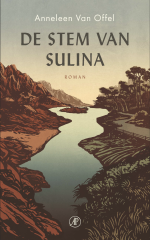
Hlas Suliny
Translated from
Dutch
to
Czech
by Klára Němcová
Written in Dutch by Anneleen Van Offel
6 minutes read