View all filters
Clear








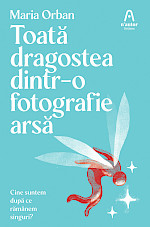
Уся любов із обпаленої фотографії
«Уся любов із обпаленої фотографії» висвітлює стосунки трьох поколінь жінок, які сприймають світ майже несумісними способами. Родина та її крихка рівновага похитнуті раптовою госпіталізацією найстаршої з них. Паралізуючі страхи набувають чітких обрисів у наближенні неминучої смерті. Їхні механізми захисту, особливо способи, якими кожна паразитує на житті іншої — в ім’я обов’язку та материнської любові — виходять на поверхню. А Лея, яка перебуває посередині цієї дистанції, є тією, хто фіксує зміни, хто просіює реальність, намагається її записати й надати їй сенсу; вона є тією, хто постійно веде переговори зі своєю ідентичністю, прагнучи з’ясувати, хто вона поза ролями доньки та матері, і знайти шлях до тихої гавані. — Елі Бедікe, видавець.
Translated from
Romanian
to
Ukrainian
by Paulina-Ionela Onujec
Written in Romanian by Maria Orban
8 minutes read
Als de dieren
In Als de dieren onderzoekt een vrouw wat haar is overkomen na de geboorte van haar eerste kind – een ervaring zo donker dat ze zich tegen taal en betekenis verzet. In het dierenrijk, in oude mythes, in foto’s, e-mails en zelfs boodschappenlijstjes uit haar kraamtijd, zoekt de vrouw naar houvast. Hoe word je, lang nadat je je kind op de wereld hebt gezet, alsnog moeder? En hoe verenig je opnieuw de brokstukken van een mens, nadat die uit elkaar is gevallen?
Written in Dutch by Lieselot Mariën
9 minutes read
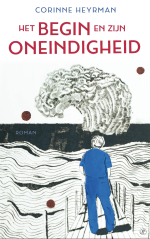
Začetek in njegova neskončnost
Translated from
Dutch
to
Slovenian
by Tina Jurman
Written in Dutch by Corinne Heyrman
8 minutes read

Le siepi
Translated from
Polish
to
Italian
by Paola Pappalardo
Written in Polish by Maria Karpińska
12 minutes read
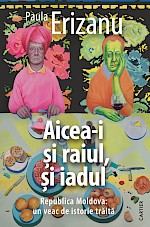
Хей, момичета (It’s Both Heaven and Hell Here. Moldova: a Century of Lived History)
Translated from
Romanian
to
Bulgarian
by Valentina Zlateva
Written in Romanian by Paula Erizanu
7 minutes read
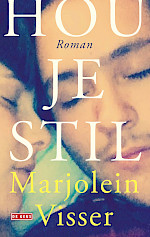
Bodi tiho
Translated from
Dutch
to
Slovenian
by Tina Jurman
Written in Dutch by Marjolein Visser
8 minutes read
Een afhankelijkheidsverklaring
Written in Dutch by Rebekka de Wit
8 minutes read
Щом животните
В „Щом животните” една жена изследва връхлитащото я след раждането на първото ѝ дете – изживяване толкова мрачно, че тя се съпротивлява на езика и смисъла. Търси опора в животинското царство, в старите митове, в снимки, имейли и дори в списъците си за пазаруване от периода около раждането. Как се превръщаш, дълго след като детето ти е дошло на този свят, в майка? И как съединяваш отново отломките от един човек, който се е разпаднал?
Разтърсващ разказ, който опипом кара читателя да се замисли. Великолепно отчаяние. — в-к „НРК ханделсблат”
Лизелот Мариен дебютира с изключително силен и нищо неподминаващ роман за майчинството. „Щом животните” е едновременно протокол от екзистенциално търсене и творба с блестяща стилистика. — в-к „Тейд”
Translated from
Dutch
to
Bulgarian
by Elena Dimitrova
Written in Dutch by Lieselot Mariën
8 minutes read
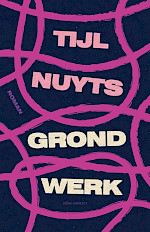
Roboty ziemne
Grondwerk (2025) za pomocą poetyckiego, zmysłowego języka porusza kwestie zmian klimatu, działań kolektywnych oraz prób uczynienia świata przyjaznym dla jego mieszkańców. Główna bohaterka powieści, samica golca piaskowego, zostaje wysłana na misję ze swojej kolonii w Rogu Afryki na plac w centrum Brukseli. W oczekiwaniu na instrukcje, które nigdy nie nadchodzą, przygląda się dziwnym zwyczajom homo sapiens i zaczyna kopać tunele pod miastem. Gdy w całym mieście zaczynają powstawać zapadliska – dzielące infrastrukturę politycznego serca Europy na kawałki – spotkanie i rozwijająca się z czasem przyjaźń bohaterki z aktywistką klimatyczną prowadzi do nieoczekiwanego zwrotu akcji. Powieść zdobyła nagrodę literacką De Boon Literatuurprijs, została nominowana do Boekenbon Literatuurpijs oraz otrzymała wyjątkowo pozytywne recenzje w belgijskiej i holenderskiej prasie.
Więcej informacji w j. niderlandzkim: https://www.tijlnuyts.be/grondwerk. Więcej informacji w j. angielskim, w tym fragmenty w j. angielskim i niemieckim: https://www.flandersliterature.be/books-and-authors/book/groundwork
Translated from
Dutch
to
Polish
by Anna Opara
Written in Dutch by Tijl Nuyts
8 minutes read
Немає нікого схожого на тебе (Летючі люди)
Translated from
Slovenian
to
Ukrainian
by Yuliia Stankevych
Written in Slovenian by Ajda Bračič
7 minutes read
Ta przeżuta krew
Translated from
Italian
to
Polish
by Amina Niepsuj-Wood
Written in Italian by Francesco Aloia
8 minutes read
Meine Mutter hat Blumen gezüchtet (Condițiile nu sunt importante)
Translated from
Serbian
to
Romanian
by Aleksandra Petrov
Written in Serbian by Ljiljana D. Ćuk
6 minutes read
Žive ograde
Translated from
Polish
to
Serbian
by Milica Kozić
Written in Polish by Maria Karpińska
10 minutes read
Přibližně v ten samý okamžik mě pohltilo město
Translated from
Ukrainian
to
Czech
by Adéla Mikešová
Written in Ukrainian by Anastasia Levkova
8 minutes read
“Cosa volete che ne sappia Hemingway”
Translated from
Ukrainian
to
Italian
by Claudia Bettiol
Written in Ukrainian by Artur Dron
12 minutes read
Que el cielo quede despejado
Written in Spanish by Matías Candeira
6 minutes read
Invisibili
Un romanzo sulle persone alla periferia della società che afferra alla gola.
Georgi Gospodinov, autore di Fisica della malinconia e Cronorifugio
In pochi sono capaci di ricreare senza un grammo di pretenziosità la vita di chi è passato per gli orfanotrofi, tanto più durante la transizione; i destini che ne sono conseguiti. In effetti, più in generale, ognuno di noi è un bambino abbandonato, ma quelli di cui racconta l’autrice sono davvero invisibili sulla cartografia sociale. Natalia Deleva toglie dai loro volti tutti i cliché con i quali li abbiamo imbruttiti. Un libro difficile, importante, davvero importante.
Marin Bodakov, dalla rivista Kultura
La voce narrante di Invisibili raccoglie estratti di articoli di giornale, ascolta la propria voce (interiore), le storie delle persone che incontra lungo il suo percorso, guarda nel passato, confronta traumi e, trascinando il lettore fuori dalla propria zona di comfort, pone importanti domande sul nostro mondo, sulla vita in esilio, sulle persone che sono escluse, abbandonate, senzatetto. Un bellissimo libro, emozionante e intessuto con grande cura del dettaglio.
Wioletta Greg, autrice di Swallowing Mercury
Translated from
Bulgarian
to
Italian
by Giorgia Spadoni
Written in Bulgarian by Nataliya Deleva
12 minutes read
Tuje mesto
Translated from
Czech
to
Slovenian
by Vesna Dragar
Written in Czech by Anna Háblová
5 minutes read
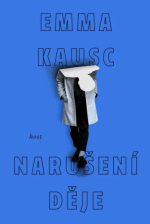
Zakłócenie akcji
Literatura i życie mają wspólny mianownik: opowieść.
Są lata siedemdziesiąte. Drążąc tunel pod swoim domem, William „Mole Man” Lyttle dokopuje się do zdania, które nieodwracalnie wpłynie na bieg świata: „Nasze życia już nie przypominają opowieści”. Bohaterką autofikcyjnej książki jest trzydziestotrzyletnia Emma, która próbuje zrozumieć swoje czeskie korzenie, pogodzić się ze śmiercią matki i ustalić, co stało za zniknięciem jej partnerki. Wydarzenia nie opływają jej spokojnym nurtem; wręcz przeciwnie – spiętrzają się, a potem rozpryskuje na wszystkie strony. Pośród szczątków jej życia woda gwałtownie wzbiera i szaleją pożary. Emma przedziera się przez ten krajobraz po katastrofie, próbując oddalić się od miłości, w której zarówno zwycięstwo, jak przegrana są równie prawdopodobnie. Do celu jej opowieści możemy dotrzeć razem albo osobno, ale historia pozostaje. Podobnie jak pytanie, czy snucie historii może pomóc człowiekowi uporać się z tragicznymi doświadczeniami
Translated from
Czech
to
Polish
by Paulina Zając
Written in Czech by Emma Kausc
8 minutes read
Una declaración de dependencia
Translated from
Dutch
to
Spanish
by Guillermo Briz
Written in Dutch by Rebekka de Wit
9 minutes read