View all filters
Clear








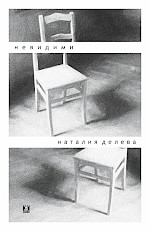
Onzichtbaar
Translated from
Bulgarian
to
Dutch
by Kieran Van Overwaele
Written in Bulgarian by Nataliya Deleva
13 minutes read
Perguntem ao Relâmpago
Translated from
Dutch
to
Portugese
by Xénon Cruz
Written in Dutch by Carmien Michels
8 minutes read
Kresećka
Kresećka to powieść o Mii i jej rodzinie, którą po ogłoszeniu niepodległości przez Słowenię spotkał tzw. izbris (wymazanie). Wydarzenie to stanowi jedną z najciemniejszych kart współczesnej słoweńskiej historii: w 1992 roku ponad 25 tys. osób – głównie dawnych obywateli innych republik jugosłowiańskich – zostało bezprawnie usuniętych („wymazanych”) z rejestru stałych mieszkańców. Z dnia na dzień stracili status prawny, dokumenty i podstawowe prawa człowieka, a w rezultacie stali się niewidzialni we własnym kraju.
Powieść przedstawia towarzyszącą tej traumie ciszę – wymazanie nie pojawia się bowiem ani w rozmowach rodzinnych, ani w dyskursie społecznym. Historia Mii pozwala spojrzeć na ogłoszenie niepodległości przez Słowenię i rozpad Jugosławii ze strony innej niż znana nam z podręczników. Posługując się subtelnym humorem i zniuansowaną narracją, autorka odsłania, jak zmiany społeczne i polityczne znajdują swe odbicie w codziennym życiu jednostki.
Za sprawą Kresećki po raz pierwszy w literaturze słoweńskiej wymazanie zostało pokazane z perspektywy dziecka – dziewczynki, która na początku nie rozumie znaczenia obywatelstwa, granic i tożsamości, a dorastając, coraz bardziej uświadamia sobie, czym ć na końcu jej nazwiska różni się od słoweńskiego č.
Debiut Tiny Perić – mimo że podejmuje trudną tematykę wymazania, w przypadku której niemal każde zdanie pociąga za sobą ból – nie jest przepełniony goryczą. Biurokratyczna decyzja, określana w dzieciństwie głównej bohaterki jako „problem z dokumentami”, nie tylko doprowadziła do usunięcia ojca Mii z rejestru stałych mieszkańców, uniemożliwiła mu pracę i pozbawiła go wszelkich praw, lecz w pewnym sensie wymazała go z jej życia. Na szczęście nie na stałe.
Milica Antić Gaber
Translated from
Slovenian
to
Polish
by Aleksandra Wójcik
Written in Slovenian by Tina Perić
7 minutes read

O zic pe scurt
Are douăzeci și patru de ani, este pe jumătate napolitan și pe jumătate maghiar, a studiat la Bologna, ar vrea să devină regizor și încă își caută drumul: acesta este portretul inițial al personajului principal din O zic pe scurt, remarcabilul roman de debut al lui Davide Di Lorenzo. Se numește Davide, la fel ca autorul, și îl întâlnim pentru prima dată la Budapesta, orașul în care s-a născut și a crescut mama lui. A lăsat în urmă Italia, prietenii, familia, iar cu toate că viața în străinătate nu îl scutește de aventuri grotești, existența lui de zi cu zi rămâne apatică și lipsită de direcție.
O călătorie la Berlin nu va schimba lucrurile, care încep să se pună în mișcare abia odată cu admiterea la o școală de cinema și mutarea la Roma. Pădurea de pini, nopțile petrecute dansând (și, implicit, întorsăturile rocambolești), oboseala și noile întâlniri îl vor trezi treptat pe Davide, preocupat să dezlege un mister: apariția absurdă, dar tot mai frecventă, a unui ou spart pe palier.
Davide Di Lorenzo reușește să redea cu fidelitate ironică viața cotidiană a unui tânăr aflat în pragul maturității, atât în dimensiunea ei domestică și melancolică, cât și în cea a nenumăratelor seri la Roma sau a petrecerilor pline de alcool prin Europa. O zic pe scurt este un roman degajat și emoționant, care păstrează ritmul dezlânat și prospețimea specifică vârstei de douăzeci de ani.
Translated from
Italian
to
Romanian
by George Doru Ivan
Written in Italian by Davide Di Lorenzo
10 minutes read
Een lichaam opzetten
Written in Dutch by Nikki Dekker
8 minutes read
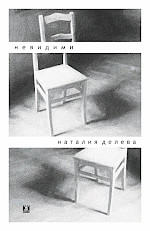
Invizibili
Invizibili este un roman despre neacceptarea celor diferiți, în care copiii își imaginează propriii părinți. O tânără care a crescut într-un orfelinat încearcă să-şi depășească traumele copilăriei. După o serie de despărțiri, o întâlnește pe Dara – o fetiță abandonată, în care se recunoaște. Se atașează de ea și decide cu orice preț să găsească o cale de a-i oferi viața pe care ea însăși nu a avut-o niciodată. Este un roman despre oamenii de la marginea societății. Diferite fire narative se împletesc pentru a spune o poveste comună: cea a invizibilității.
„Un roman despre oamenii de la marginea societății..., care te ia de gât.” Georgi Gospodinov, autorul romanelor Fizica tristeții și Refugiul timpului
„Puțini sunt cei care pot reda fără niciun fel de pretenție viața celor care au trecut printr-un orfelinat, mai ales în perioada de tranziție, și destinele lor ulterioare. De fapt, mai general spus, fiecare dintre noi este un copil abandonat, dar cei despre care povestește autoarea sunt cu adevărat invizibili pe harta socială. Natalia Deleva înlătură de pe chipurile lor toate clișeele cu care i-am pângărit. O carte dificilă, importantă, cu adevărat importantă.” Marin Bodakov, ziarul Cultura
“The narrator in Four Minutes (Invizibili) collates excerpts from news articles, listens to her own (internal) voice, to the stories of people she meets on the way, looks into the past, confronts traumas and, pulling the reader out of their comfort zone, asks important questions about our world, about life in exile, about people who are excluded, abandoned, homeless. A beautiful, intricately woven and exciting book.” Wioletta Greg, author of Swallowing Mercury
Translated from
Bulgarian
to
Romanian
by Maria Andrei
Written in Bulgarian by Nataliya Deleva
11 minutes read
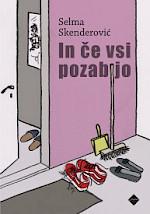
I ako svi zaborave
I ako svi zaborave, priča o identitetu, otuđenosti i nerazumevanju, prvi je roman koji potpisuje Selma Skenderović, pobednica Festivala mlade literature Urška 2020.
I ako svi zaborave je roman o odrastanju i potrazi za identitetom koji se nadovezuje na pitanja koja je autorka postavila u svojoj debitantskoj knjizi kratke proze Zašto ćutiš, Hava? Narativ u prvom licu i intimna priča studentkinje je priča o klasnoj sramoti, posledicama porodičnog nasilja, otuđenosti i problemima identiteta. Kako živeti kada si stranac i „ovde” i „kod kuće”?
Zina je ćerka imigranata sa Kosova koja odlučuje da studira. Kada se iz malog slovenačkog grada preseli u Ljubljanu, u studentski dom, ona traži svoj put između svetova koji je definišu.
Za nju postoje dva sveta, ovaj ovde, u Sloveniji, i onaj na Kosovu, kao što su dva sveta i ona i njeni roditelji, kao ona i njeni (odnekud imigranti) i Slovenci, i dva sveta u njoj samoj. Podeliti, ograditi, identifikovati, zbližiti se, spojiti ili isključiti? Ali s kim, pred kim ili od koga, kada smo na kraju svi samo ljudi. Zina je oštar posmatrač svoje okoline, roditelja i sebe. Razmišlja o tome ko je zapravo. Želi svoj prostor, svet u kome će biti više zagrljaja, bez nasilja. Što manje patrijarhalnih obrazaca unese u svoj sve samostalniji život, biće joj bolje. Toga je veoma svesna. I toga da svoj put u životu sam zacrtaš. Barem od trenutka kada se odupreš manipulacijama i udarcima koji su se smatrali, a ponegde se i dalje smatraju, prikladnim vaspitanjem. Sa jasnim razmišljanjem i razumevanjem događaja u svom životu i životima rođaka sa Kosova, Zina objašnjava razlike između ljudi koji su udaljeni „samo” 700 kilometara, ili čak samo nekoliko centimetara unutar sopstvene porodice.
Translated from
Slovenian
to
Serbian
by Jelena Ivanišević
Written in Slovenian by Selma Skenderović
8 minutes read
Щрихи
Щрихи е роман за Мия и нейното семейство, което след като Словения става независима държава, преживява т. нар. „изтриване“ (izbris). Изтриването на пребиваващите е един от най-мрачните моменти в съвременната словенска история: през 1992 г. повече от 25 000 човека – предимно някогашни граждани на останалите югославски републики – са незаконно изтрити от регистъра на постоянно пребиваващите. В рамките на една нощ губят юридическия си статус, личните си документи и основните си човешки права, с което стават невидими в собствената си страна. Романът разкъсва тишината около тази травма – за нея не говори нито семейството, нито обществото. Историята на Мия предлага интимен поглед към другата, по-малко словесна страна на словенската независимост и разпадането на Югославия. С фин хумор и изтънчен повествователен глас авторката разкрива как обществените и политическите промени се оглеждат в ежедневния живот на индивида. С този роман словенската литература за пръв път предоставя разглеждане на изтриването от перспективата на едно дете – момиче, което първо не разбира значението на гражданството, границите и идентичността, а в течение на порастването си все повече осъзнава защо е важно да имаш „достатъчно ченгелчета“ върху последната буква на фамилията си.
Дебютът на Тина Перич, при все че се захваща с взискателна тематика – с изтриването – и при все че почти всяко изречение, написано по темата причинява болка, не е горчиво четиво. Бюрократичният ход, който в детството на главната героиня е получил специално име – „проблемът с документите“ – не само изтрива бащата на Мия от регистъра на постоянно пребиваващите и го лишава от работа, както и от всички права, но и така да се каже го изтрива и от нейния живот. За щастие не за дълго. — Милица Антич Габер
Translated from
Slovenian
to
Bulgarian
by Dimana Miteva
Written in Slovenian by Tina Perić
8 minutes read
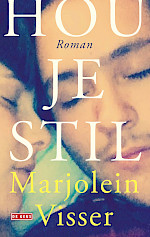
Resta in silenzio
“La scomparsa di uno di noi non fa notizia, perché non è una notizia. Il resto del mondo a te non pensa – né quando sniffano la tua cocaina, né quando indossano i vestiti che hai creato, né quando ti cacciano dal loro Paese.”
Questa è la storia di Alex, un ragazzo introverso fuggito dal Messico e assunto per un tirocinio in un’università olandese, che prova a salvare il salvabile. Per vivere, deve parlare; per sopravvivere non deve farlo.
“Resta in silenzio” è un romanzo avvincente su confini chiusi e sul coraggio sconfinato, sulla forza della lingua e sulla torbida differenza fra carnefici e vittime.
Tutti i personaggi di questo libro sono fittizi. I fatti narrati no.
Il libro è basato su anni di ricerche e sulle testimonianze di persone che hanno vissuto l’esperienza di rifugiati o esiliati, persone impegnate nel diritto d’asilo, docenti di varie università (messicane), psicologi del trauma, attivisti per i diritti umani, giornalisti, clandestini, e vittime e carnefici dei cartelli e di bande criminali. La storia fa luce sull’impatto dei governi (internazionali) sugli individui, così come sulla violenza legata al narcotraffico e agli abusi sessuali. Quest’avvincente racconto svela anche la complessa relazione tra i “Paesi della droga” come il Messico e l’Europa: un continente che sta innalzando sempre più confini ai richiedenti asilo e che è allo stesso tempo un crocevia e grande consumatore della cocaina.
Translated from
Dutch
to
Italian
by Jessica Rostro Benigno
Written in Dutch by Marjolein Visser
9 minutes read

Mantis
Mia tiene veintisiete años y todos los días ve lo peor del mundo: trabaja como moderadora de contenido y debe censurar los videos más violentos que circulan en línea. Desde que su exnovio Ruben murió electrocutado en la bañera, vive en un bucle de nihilismo y remordimiento, anestesiada por ese trabajo y por psicofármacos, animada solo de vez en cuando por la amistad con Dennis y Miriam. El pasado con Ruben es un archivo de recuerdos feroces, como esas imágenes que debe eliminar de la red, pero que no puede borrar de su memoria: sus chantajes emocionales, en los que la acusa de consumirlo como una mantis; y el miedo a abandonarlo. Pero, cuando se topa con el video de Sofia, una chica que se le parece y se tira de un puente, Mia se espabila y se pone tras sus pasos: encuentra a Lapo, su novio, músico en ascenso, y a Margot, su amiga, escort y bailarina en una discoteca, y se deja seducir por ellos, en un molinete de espejos. Hasta que Mia, junto con Miriam y Margot, decide buscar una alternativa, mediante un pacto de sororidad fuera de la norma que logrará romper el caparazón de su dolor.
Mantis narra el recorrido de una joven que se enfrenta a la pérdida y la soledad, rebelándose contra el atávico sentimiento de culpa femenino para lanzarse hacia adelante, hacia la luz de su yo futura.
Translated from
Italian
to
Spanish
by Camila Ramírez
Written in Italian by Cecilia Rita
9 minutes read
Când minciunile se înmulțesc ca ciupercile după ploaie
Translated from
Dutch
to
Romanian
by Cătălina Oșlobanu
Written in Dutch by Carmien Michels
8 minutes read
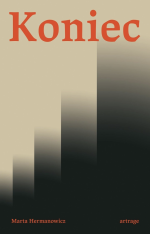
Konec
Translated from
Polish
to
Slovenian
by Sara Hočevar Mucić
Written in Polish by Marta Hermanowicz
13 minutes read
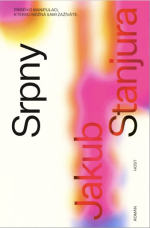
А̀вгусти
Докъде сме готови да стигнем заради другия?
Даниела израства в семейство, в което вместо хора я обгръщат страхове. Те се появяват в странна закономерност – всеки август. За нея слънчевите дни не са приятни, а болезнени. Когато след това в университета среща Щепан, мисли, че най-сетне да се спаси от неприятните си лета. Но няма представа, че от това минало не може да се избяга.
В романа Якуб Станюра по оригинален начин повдига важната тема за гаслайтинга – особена форма на манипулация, която насажда съмнения у жертвата относно собствената ѝ рационалност, памет и цялостно възприятие за реалността.
В книгата си Якуб Станюра по съвсем необикновен начин разкрива как функционират отношенията между манипулатора и жертвата му и разобличава механизмите, които въвличат жертвата в патологичната връзка и след това – въпреки всякаква рационалност – я задържат там. — Петра Дворжакова, писателка
За мен гаслайтингът е кошмар. Представата, че ще преживея нещо и някой друг ще ме убеждава в обратното, в това, че си измислям, че полудявам, ми се струва ужасяваща. Чрез романа исках да обърна внимание на тези манипулативни техники. — Якуб Станюра, автор
Translated from
Czech
to
Bulgarian
by Katerina Stoyanova
Written in Czech by Jakub Stanjura
9 minutes read
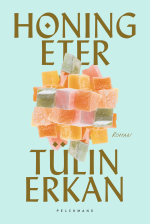
ARRIVALS / GELIȘ (Medar)
Translated from
Dutch
to
Slovenian
by Lucija Janc Novak
Written in Dutch by Tülin Erkan
6 minutes read
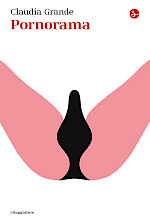
Pornorama
Tento příběh je pavučina přetrhaných vláken: když se podaří zachytit jedno, ostatní se vysmeknou. Je to příběh znepokojivé série úmrtí v prostředí pornografického průmyslu mezi Římem, Milánem a Turínem, ale zároveň i příběh vyšetřování, které vede vrchní inspektorka Vittoria De Feo. Je to příběh o tom, jak se dvojice dvacátníků, Bet a Teo, vydá po téže stopě ve snaze získat materiál, který by znovu nakopl jejich blog, a také příběh bulvárního novináře, jenž se snaží získat životní senzaci. Kolem jejich komplikovaného pátrání se pohybuje surrealistický sbor groteskních postav: chirurgové, kteří bohatnou prodejem erotických pomůcek modelovaných podle anatomie mrtvých pornohvězd, ďábelští právníci vodící koncipienty na vodítku, forenzní analytici snažící se prorazit jako youtubeři, bývalí herci z dětských pořadů upadlí v nemilost, psychiatři převlékající se během sezení za avokádo, upovídané influencerky sjeté kokainem, slizcí manažeři pornohereček. To vše doprovázené a okořeněné syntetickými drogami a smlouvami o podřízenosti, useknutými rukami a citronovými koláči, domácími králíky a trashovými pořady, sklady Ikea a pornografickými filmovými studii. Za zdánlivě čistou detektivní linií se rozvíjejí podoby pornografie bytí, v níž už dnes neexistuje nic obscénního.
Translated from
Italian
to
Czech
by Anna Kostková
Written in Italian by Claudia Grande
8 minutes read
Wanneer de leugens zich razendsnel opstapelen
Written in Dutch by Carmien Michels
8 minutes read
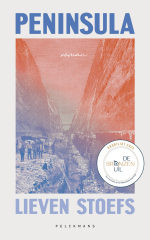
Corridoio (Peninsula)
Translated from
Dutch
to
Italian
by Matilde Soliani
Written in Dutch by Lieven Stoefs
8 minutes read
Ćrtice
Ćrtice so roman o Miji in njeni družini, ki se ji je po osamosvojitvi Slovenije zgodil t. i. izbris. Izbris prebivalcev je bil eden najtemnejših trenutkov v sodobni slovenski zgodovini: leta 1992 je bilo več kot 25.000 ljudi – večinoma nekdanjih državljanov drugih jugoslovanskih republik – nezakonito izbrisanih iz registra stalnih prebivalcev. Čez noč so izgubili pravni status, osebne dokumente in temeljne človekove pravice, s čimer so postali nevidni v lastni državi.
Roman razpira tišino okoli te travme – o njej ne govori ne družina ne družba. Mijina zgodba ponuja intimen vpogled v drugo, manj slovesno plat slovenske osamosvojitve in razpada Jugoslavije. S prefinjenim humorjem in tankočutnim pripovednim glasom avtorica razkriva, kako se družbene in politične spremembe zrcalijo v vsakdanjem življenju posameznika. Slovenska literatura s tem romanom prvič dobi obravnavo izbrisa skozi perspektivo otroka – deklice, ki sprva ne razume pomena državljanstva, mej in identitete, a skozi odraščanje vse bolj dojema, zakaj je pomembno, da imaš “dovolj črtic” na zadnji črki svojega priimka.
Written in Slovenian by Tina Perić
7 minutes read
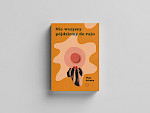
Non tutti andremo in paradiso
In una mano una lattina di birra bionda, nell’altra un rosario, una sigaretta in bocca, gli Aerosmith alla radio. Tre ragazze che provano qualcosa l’una per l’altra, in viaggio attraverso la Polonia di provincia a bordo di una sgangherata Opel. Una racconta alle altre della sua vita: della prima scuola, della prima amicizia e del primo amore. Il viaggio spirituale negli anni Novanta e Duemila intrapreso dalla narratrice di questo romanzo on the road si rivela in realtà un'analisi penetrante dell'identità di classe e di genere, ma anche un tentativo di descrivere il desiderio omoerotico: dapprima completamente represso dall’eteronormatività, poi espresso in piccoli gesti e baci, infine, apertamente dichiarato durante un viaggio in auto. La sua destinazione geografica è Radom, ma quella esistenziale: la trasgressione, l’affermazione e l’esperienza estatica della libertà.
Translated from
Polish
to
Italian
by Paola Pappalardo
Written in Polish by Olga Górska
10 minutes read
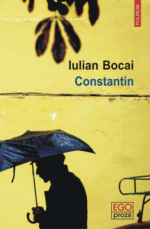
Constantin. Een portret
Translated from
Romanian
to
Dutch
by Charlotte van Rooden
Written in Romanian by Iulian Bocai
11 minutes read