View all filters
Clear








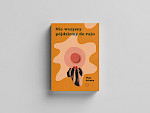
Не всички ще отидем в рая
В едната ръка кенче светла бира, в другата броеница, в устата цигара, а по радиото звучи Аеросмит. Три момичета, които изпитват чувства едно към друго, пътуват с раздрънкан опел из провинциална Полша. Едно от тях разказва на останалите за живота си: първото училище, първото приятелство и първата си любов. Ловът на духове от 90-те и първото десетилетие на 2000-те години, предприет от разказвачката на този роман за пътя, се оказва всъщност проникновен анализ на класовата и половата идентичност и опит да се опише хомоеротичното желание: първо напълно потиснато от хетеронормативността, след това показано с малки жестове и целувки, а накрая – открито изразено по време на пътуването с кола. Географската му дестинация е Радом, но екзистенциалната му цел е трансгресията, утвърждаването и екстатичното преживяване на свободата.
В съвременната полска литература са малко книгите като „Не всички ще отидем в рая“ на Олга Гурска. Авторката е постигнала това, което дълго време изглеждаше невъзможно: описала е безкомпромисно преживяването да израснеш като лесбийка в Полша през 90-те години по начин, който позволява на книгата да достигне до широката аудитория. Въпреки че са минали три години от публикуването ѝ – което е дълго време в днешните пазарни условия – книгата все още се чете и обсъжда, и макар че периодично в Полша се публикуват лесбийски книги, тази остава единствената, която успешно е пресъздала лесбийския опит в роман. В какво се състои нейният успех? „Не всички ще отидем в рая“ предизвиква емоции с автентичните си, универсални описания на любовни дилеми в преходната реалност на ранния капитализъм, пренесен в Полша от Запада през 90-те години на миналия век. Описва прехода от ХХ към XXI век не през призмата на политическите събития и еманципацията на големите градове, а чрез описанието на всекидневието в малкия град, масовата религиозност, смесена с пробуждащата се сексуалност и музикалните увлечения на днешните милениали. Подобно на най-добрата литература, така и тази говори за идентичността, без да използва тази дума. Гурска пише с жив и изразителен език, от сърце, но и с философска проницателност. Книгата е безспорно лесбийска класика. — Д-р Малгожата Тарновска-Шикора
Translated from
Polish
to
Bulgarian
by Evgenia Geneva
Written in Polish by Olga Górska
7 minutes read
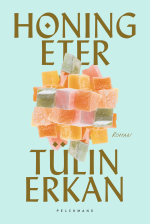
ARRIVALS / GELIȘ (Medar)
Translated from
Dutch
to
Slovenian
by Lucija Janc Novak
Written in Dutch by Tülin Erkan
6 minutes read
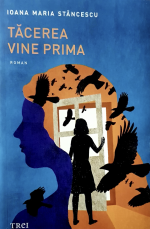
Il silenzio viene prima
Translated from
Romanian
to
Italian
by Barbara Pavetto
Written in Romanian by Ioana Maria Stăncescu
10 minutes read

Ik deel de lucht met de vogels
Translated from
Slovenian
to
Dutch
by Staša Pavlović
Written in Slovenian by Agata Tomažič
9 minutes read
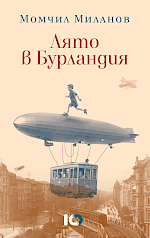
Літо в Бурландії
Восьмирічний Штерн живе в Грейштадті. Його батько дипломат, а мама художниця із замкнутим характером, яка все більше занурюється в себе. Хоча прямо про це й не сказано, але читач сам одразу розуміє, що рідні Штерна розлучаються. З’являється тітка Ема (сестра близького товариша Штернового батька, молодого амбіційного полковника з армії), яка доглядатиме за хлопчиком, поки його батько у відрядженні за кордоном. Він обіцяв повернутися на день народження Штерна перед самим Різдвом, але стає зрозуміло, що дотриматися цієї обіцянки дуже складно, бо вона така ж сама складна, як політична ситуація в країні. Грейштадт підозріло нагадує Софію, але це легко міг би бути будь-якої іншою центрально- / східноєвропейською столицею. Незрозумілим залишається і час описуваних подій –– різні відсилки до 30-, 40-, кінця 80-х років, навіть теперішнього часу, розкидані в різних місцях у тексті. Це створює сноподібну атмосферу deja vu і deja vexu, викликаючи відчуття повтору історії, пам’яті і травми. Роман поєднує паралельні сюжетні лінії й алюзії до таких тем, як популізм, незаконні праворадикальні організації та небезпечний вплив соціальних мереж. Книга починається, на перший погляд, з не пов’язаних подій у Грейштадті. Біля випадкових будинків, розташованих у різних частинах міста, зникає взуття; загадковий аристократ із амбітними планами прибуває своїм дирижаблем. Його летюча резиденція продовжує ширяти над містом, втілюючи таким чином відчуття загрози і тривоги, що оселилися в повітрі. Барон має підступний план, який буде розкрито значно пізніше –– вкрасти мрії жителів Грейштадта.
«Перший роман болгарського романіста і одна з сенсацій літературного сезону, між історією дорослішання та політичною байкою».
Libération, Франція.
«Весело-моторошно-солодко-солоне повернення в дитинство одного дорослого чоловіка».
Крістін Дімітрова, письменник, Літературний вісник.
«Важко визначити, який це жанр, «Літо в Бурландії» містить елементи фентезі, історичного роману, казки, пригодницької історії з демонічним лиходієм. Саме можливість утечі –– цей світлий особистий горизонт –– робить книгу Мілана такою ніжною і легкою до читання. Хоча події відбуваються під важкою тінню дирижабля, що навис над містом, але в них немає нічого страшного чи безнадійного. Це яскравий роман гри та приборкання зла.
Юлія Роне
Translated from
Bulgarian
to
Ukrainian
by Khrystia Vengryniuk
Written in Bulgarian by Momchil Milanov
8 minutes read

Bintu
Wysokie bloki mieszkalne prowincjonalnego miasta, lata dziewięćdziesiąte. Bintu dorasta w rozbitej rodzinie. Jej kongijski ojciec to fanatycznie religijny człowiek, niespełniony pisarz, który nie może znaleźć pracy i całe dnie spędza na pisaniu swoich wspomnień. Im bardziej ogarnia go rozczarowanie, tym częściej sięga po alkohol i tym bardziej agresywny staje się w domu. Mimo to Bintu uwielbia ojca i próbuje sprowadzić go na właściwą drogę. Kiedy jednak staje się jasne, że nie da się go uratować, zrywa z nim wszelki kontakt.
Trzydzieści lat później Bintu powiela ten sam schemat. Rozwiedziona i skłócona z synem, nadal mieszka w podupadłych już blokach i zmaga się z własnymi uzależnieniami. Pewne oparcie daje jej praca nauczycielki, aż do chwili, gdy w szkole traci kontrolę i zostaje zmuszona do zmierzenia się z traumami z dzieciństwa.
„Salumu potrafi opisać Bintu całkowicie od środka, tak jak robią to doświadczeni pisarze powieściowi. Dzięki licznym wymownym detalom tworzy niezwykle realistyczny portret trzech udręczonych istnień: Bintu, ojca Yumy i matki Kristel. Bintu to debiut marzeń.”
De Standaard
„Salumu boleśnie szczerze opisuje w oszczędnej, lecz precyzyjnej prozie, jak to jest dorastać jako dziewczynka i kobieta o innym kolorze skóry w środowisku, gdzie kolor skóry wciąż pozostaje czynnikiem decydującym. Bintu to mocny debiut o „codzienności rasizmu”. Het Nieuwsblad
Translated from
Dutch
to
Polish
by Marta Talacha
Written in Dutch by Tuly Salumu
8 minutes read
črepinjasto mesto
Translated from
Dutch
to
Slovenian
by Tina Jurman
Written in Dutch by Hanan Faour
7 minutes read

Brooklyn-Barakaldo
Translated from
Spanish
to
Slovenian
by Mojca Petaros
Written in Spanish by Antonio Lleras
8 minutes read
Zveri
Translated from
Dutch
to
Serbian
by Tamara Britka
Written in Dutch by Gijs Wilbrink
8 minutes read
Meduze živijo za vedno, dokler jih ne ujamejo
Sara je šele dopolnila devetnajst let in zaradi potlačene travme iz preteklosti čuti vse močnejši strah, da bo v tistem letu umrla. Zato tisto, kar bi moralo biti najbolj brezskrbno poletje njenega življenja, med srednjo šolo in fakulteto, preživlja v senci tesnobe. Z družbo hodi v alternativne klube, poskuša se pobotati z nekdanjim fantom Viktorjem, veliko pije in si želi, da bi jo vsi opazili, čeprav je v resnici zadržana. Vse se spremeni, ko Sara v temnem prostoru kluba doživi svoje prvo videnje, v katerem travma iz preteklosti oživi – ponovno sreča devetnajstletno sestrično Laro. Sara se naslednje jutro zbudi z mravljinci v roki, ki se širijo, in Sara odkrije, da ima neimenovano bolezen, s katero bo normalno živela, vendar jo bo za vedno spremljala. Ko Sara dobi prvi indic, da je njen strah pred smrtjo upravičen, se začne panično ukvarjati z analizo tega pojma, svojega telesa kot nečesa krhkega in minljivega, in skozi ta razmišljanja pospešeno odrašča. Začne hoditi na pripravljalni tečaj za študij slikarstva, kjer spozna Tiso in Balšo, onadva sta ekscentrična in oba sta se v preteklosti srečala s smrtjo, oba imata zakopane travme. Sara v Tisi najde vzornico, v Balšo pa se zaljubi. Skozi odnos z njima se Sara sooča s svojo sedanjostjo, prihodnostjo in preteklostjo – družinsko tragedijo, ki je zaznamovala vse njeno odraščanje, smrt njene sestrične Lare.
»Ranljivo in močno, razigrano in vznemirljivo. Izjemen roman Nađe Petrović se začne kot najstniška drama odraščanja, a hitro se spremeni v vznemirljivo intimno izpoved, vihravo in poetično, obenem pa ganljivo in bolečo. To je zgodba o globoki in temeljni krhkosti, o strahu pred smrtjo, a tudi o strahu pred življenjem.« — Srdan Golubović
»Sarina pripoved, digresivna, pogosto obarvana z lahkim, samokritičnim humorjem, ni stereotipni mladostniški literarni glas. Njene zastranitve se pogosto zgostijo v nenavadne jezikovne podobe, ki dobijo tudi 'zunanjo' ustreznico: s tem, ko ni izbrala čisto stvarne proze, je avtorica v roman vnesla pomembne fantastične motive in celotne sanjske prizore, ki jih je s skladnim in zelo učinkovitim vpletanjem v pripoved izkoristila kot pomembne strukturne elemente celote.« — Izjava žirije v sestavi prof. dr. Jelena Panić Maraš, prof. dr. Predrag Petrović in dr. Tijana Tropin ob podelitvi nagrade Grozdane Olujić za najboljšo prozno knjigo leta 2023
Translated from
Serbian
to
Slovenian
by Natalija Milovanović
Written in Serbian by Nađa Petrović
10 minutes read
Streepjes
Translated from
Slovenian
to
Dutch
by Marieke Haenebalcke
Written in Slovenian by Tina Perić
8 minutes read

Живоплоти
Translated from
Polish
to
Ukrainian
by Julia Stakhivska
Written in Polish by Maria Karpińska
9 minutes read
Район 24
Изминали са вече няколко години, откакто Люк и Ели за пръв път са стъпили на повърхността на Червената планета. Със засаждането на вишни на Марс, единствените растения, които засега успяват да виреят на тази мрачна планета, баща и дъщеря започват вълнуващо преследване на тайните, погребани под пластовете червеникав прах. Дърветата, отрупани с тъмночервени плодове, растат под куполите на всички специализирани оранжерии, освен в една — Район 24. Докато вътрешността на астронавтските им костюми все повече се изпълва със самота, страх, неразбиране и тъга, трагичните събития от миналото продължават да ги притискат като мрачната марсианска мъгла. Макар често да се принуждават да не мислят за дома, който временно са напуснали, искрите на техните истории и спомени не могат да бъдат напълно угасени — те ги връщат към дребните, но важни моменти и събития, оформили живота им. Защо е важно как Ели яде вишните и кое дърво е засадил Люк като малък? Могат ли старата ферма, овощната градина, близкото езеро, утихналият селски панаир и мрежата от преплетени канали и горички да бъдат скелетът и жизнената система на едно семейство? В дебютния си роман Борис Джинич умело преплита миналото и настоящето на своите герои и ни поднася трогателна история за силата на спомените, любовта, болката, страданието и неразривните връзки между хората. "Район 24" ни напомня, че дори на най-мрачното място е възможно да съхраниш радостта от живота и вярата, че си струва да се върнеш към онова, което те очаква.
Роман за силата на спомените, любовта, страданието и неразривните връзки между хората.
Translated from
Serbian
to
Bulgarian
by Tsvetomira Mladenova
Written in Serbian by Boris Džinić
9 minutes read
Bestie
„Nechci moc prozrazovat, ale podle mě se to s Tomem Kellerem pokazilo už tehdy, když ho jeho dva strýcové vzali v noci do lesa a nechali ho dělat věci, které by devítiletý chlapec ještě dlouho dělat neměl.“
Tak začíná debutový román Gijse Wilbrinka Bestie. Příběh se odehrává ve východní části Nizozemska mezi motorkami, pytláky, chovy norků a kšefty, které nesnesou denní světlo. V mystickém pohraničí plném tajemství vyrůstá Tom Keller, nejmladší z potomků v okolí nechvalně známé rodiny, který dostal do vínku talent pro motokros. Když po letech najednou zmizí, vydá se ho do rodného kraje hledat jeho svéhlavá dcera a výsledkem je dramatické rodinné znovushledání.
Translated from
Dutch
to
Czech
by Klára Němcová
Written in Dutch by Gijs Wilbrink
7 minutes read
Constantin
Translated from
Romanian
to
Czech
by Klára Našincová
Written in Romanian by Iulian Bocai
8 minutes read
Ти нічого про мене не знаєш
Translated from
Italian
to
Ukrainian
by Olena Roman
Written in Italian by Raffaele Cataldo
3 minutes read
Corridor (Peninsula)
‘Hij bracht zijn gezicht tot vlak bij het hare, sloot zijn ogen en voelde haar lippen meteen tegen de zijne duwen. Een oud lied weerklonk door de straten. Een tel lang hielden elektronen op met suizen, vergat het licht zijn schrikbarende snelheid. In een flits kan een wereld vernield worden. Misschien geldt het omgekeerde ook: een blik, enkele woorden kunnen jarenlang wachten, een lawine aan verdriet verzachten.’
Met elegantie en trefzekere taal schetst Lieven Stoefs in Peninsula een familieportret van vier generaties. Van een trillend been bij een allereerste ontmoeting op een autobus, naar een zoektocht die een halve eeuw later langs een Grieks schiereiland, voetbalvelden en fabrieken schuift. Op indrukwekkende wijze verschijnt een wereld waar liefde en wanhoop onafscheidelijk zijn.
‘Alleen de rimpelingen in het water zien we, nooit de inslag, de steen die het oppervlak raakt.’
Lieven Stoefs is ingenieur en schrijver. Hij groeide op in Griekenland. In zijn schrijven versmelt een wetenschappelijke blik met poëtische taal. Zijn kortverhalen verschenen onder meer in Kluger Hans en Op Ruwe Planken. Peninsula is zijn debuutroman.
Written in Dutch by Lieven Stoefs
7 minutes read
Las medusas viven para siempre hasta que las capturan
Sara acaba de cumplir diecinueve años y, debido a un trauma de su pasado, siente un creciente miedo a morir ese año. Por eso, lo que debería ser el verano más despreocupado de su vida, entre el instituto y la universidad, lo pasa bajo la sombra de la ansiedad. Sale con sus amigos por pubs alternativos, intenta reconciliarse con su exnovio Viktor, bebe en exceso y quiere llamar la atención de todo el mundo aunque, en el fondo, es una persona introvertida. Todo cambia después de que Sara tenga su primera visión en una sala oscura de una discoteca, en el que se despierta un trauma del pasado: vuelve a encontrarse con su prima de diecinueve años, Lara. Sara se despierta a la mañana siguiente con un hormigueo en la mano; este se extiende y Sara descubre que padece una enfermedad sin nombre, con la que vivirá con normalidad, pero que la acompañará para siempre. Sara, al recibir la primera señal de que su miedo a la muerte está justificado, empieza a entrar en pánico, analizando el concepto y su propio cuerpo como algo frágil y efímero y, por medio de estos pensamientos, madura rápidamente. Empieza a prepararse para la pintura cuando conoce a Tisa y Balša, ambos son excéntricos y han hecho frente a la muerte en el pasado, y tanto una como otro tienen traumas enterrados. A través de su relación con ellos, Sara se enfrenta con su presente, futuro y pasado: la tragedia familiar, que marcó todo el período de su paso a la madurez, la muerte de su prima Lara.
Translated from
Serbian
to
Spanish
by Miguel Alonso
Written in Serbian by Nađa Petrović
12 minutes read
Kraj
Translated from
Polish
to
Serbian
by Milica Kozić
Written in Polish by Marta Hermanowicz
12 minutes read
Ministerio de Sueños
Stern, de ocho años, vive en Greystadt. Su padre es diplomático y su madre, una artista de carácter reservado, se va encerrando cada vez más en sí misma. Aunque no se indica de manera explícita, el lector comprende desde el principio que los padres de Stern se están divorciando. Aparece la tía Emma (hermana de un amigo íntimo del padre de Stern, un joven y ambicioso coronel del ejército), que debe cuidar del niño mientras su padre está de viaje de trabajo en el extranjero. Él ha prometido volver para el cumpleaños de Stern justo antes de Navidad, pero pronto queda claro que cumplir esa promesa es muy complicado, al igual que la situación política del país. Greystad recuerda sospechosamente a Sofía, pero podría ser cualquier otra capital de Europa central o del este. Tampoco queda claro cuándo se desarrolla la historia: a lo largo de la narración se intercalan diversas referencias a los años 30, 40, finales de los 80 o incluso a la época actual. Esto crea una atmósfera onírica de déjà vu y déjà vécu, provocando una sensación de repetición de la historia, así como de memoria y trauma. La novela mezcla tramas paralelas y alusiones a temas como el populismo, las organizaciones paramilitares de extrema derecha y los peligrosos efectos de las redes sociales.
El libro comienza con varios sucesos, en apariencia inconexos, en Greystad. Empiezan a desaparecer de manera aleatoria zapatos de casas situadas en diferentes partes de la ciudad; un misterioso aristócrata con planes ambiciosos llega en su dirigible. Su residencia voladora permanece flotando de forma amenazadora sobre la ciudad, encarnando así la sensación de peligro e inquietud que se cierne en el aire. El barón tiene un plan retorcido que se revelará mucho más tarde: robar los sueños de los habitantes de Greystad.
Translated from
Bulgarian
to
Spanish
by Marco Vidal
Written in Bulgarian by Momchil Milanov
6 minutes read