View all filters
Clear









Bintu
Wysokie bloki mieszkalne prowincjonalnego miasta, lata dziewięćdziesiąte. Bintu dorasta w rozbitej rodzinie. Jej kongijski ojciec to fanatycznie religijny człowiek, niespełniony pisarz, który nie może znaleźć pracy i całe dnie spędza na pisaniu swoich wspomnień. Im bardziej ogarnia go rozczarowanie, tym częściej sięga po alkohol i tym bardziej agresywny staje się w domu. Mimo to Bintu uwielbia ojca i próbuje sprowadzić go na właściwą drogę. Kiedy jednak staje się jasne, że nie da się go uratować, zrywa z nim wszelki kontakt.
Trzydzieści lat później Bintu powiela ten sam schemat. Rozwiedziona i skłócona z synem, nadal mieszka w podupadłych już blokach i zmaga się z własnymi uzależnieniami. Pewne oparcie daje jej praca nauczycielki, aż do chwili, gdy w szkole traci kontrolę i zostaje zmuszona do zmierzenia się z traumami z dzieciństwa.
„Salumu potrafi opisać Bintu całkowicie od środka, tak jak robią to doświadczeni pisarze powieściowi. Dzięki licznym wymownym detalom tworzy niezwykle realistyczny portret trzech udręczonych istnień: Bintu, ojca Yumy i matki Kristel. Bintu to debiut marzeń.”
De Standaard
„Salumu boleśnie szczerze opisuje w oszczędnej, lecz precyzyjnej prozie, jak to jest dorastać jako dziewczynka i kobieta o innym kolorze skóry w środowisku, gdzie kolor skóry wciąż pozostaje czynnikiem decydującym. Bintu to mocny debiut o „codzienności rasizmu”. Het Nieuwsblad
Translated from
Dutch
to
Polish
by Marta Talacha
Written in Dutch by Tuly Salumu
8 minutes read
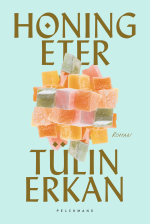
ARRIVALS / GELIȘ (Mâncătorul de miere)
Translated from
Dutch
to
Romanian
by Andreea Bălteanu
Written in Dutch by Tülin Erkan
7 minutes read
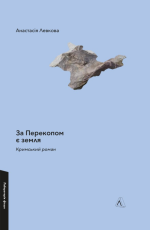
C'era una volta in Crimea
Translated from
Ukrainian
to
Italian
by Claudia Bettiol
Written in Ukrainian by Anastasia Levkova
11 minutes read
Sommige dingen veranderen nooit
Translated from
Portugese
to
Dutch
by Finne Anthonissen
Written in Portugese by Luis Brito
5 minutes read
Szczerze mówiąc, kochanie, nic mnie to nie obchodzi
Translated from
Czech
to
Polish
by Agata Wróbel
Written in Czech by Lucie Faulerová
7 minutes read

Zajtrk prvakinj
Zajtrk prvakinj je knjižni prvenec Liu Zakrajšek, v katerem se s protagonistko odpravljamo na tri različna študentska delovna mesta: v kinematograf, kulturni dom in knjigarno. Ko ne obiskuje predavanj ali dela, preživlja čas v majhni in zatohli podstrešni sobici stanovanja, ki si ga deli z impulzivno in kaotično Vesno ter organizirano in resno Pio. Njihova dinamika se skozi poglavja bolj ali manj dramatično gradi in spet ruši, vse to pa se dogaja na ozadju širših bivanjskih kriz, ki jih doživlja mlajša generacija, ki bo šele vstopila na trg dela – od prekarnosti in previsokih cen nepremičnin do vedno hujše razredne segregacije, osamljenosti in slabega mentalnega zdravja. Mlade osebe v romanu, ki naj bi torej razmišljale o svojih sanjah in prihodnosti, se lahko ukvarjajo kvečjemu s tem, kako zaslužiti za naslednjo najemnino. Roman, ki si navdih za naslov izposoja pri Kurtu Vonnegutu, je subtilna satira sodobnega časa, ki jo nujno potrebujemo.
Written in Slovenian by Liu Zakrajšek
9 minutes read
Revolta inversă
Written in Romanian by Cătălin Pavel
10 minutes read
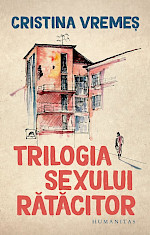
Trilogie toulavého pohlaví
Translated from
Romanian
to
Czech
by Tereza Prymak
Written in Romanian by Cristina Vremes
7 minutes read

cihlové bloky
Translated from
Spanish
to
Czech
by Markéta Cubrová
Written in Spanish by Luis Díaz
7 minutes read
Nuestro padre
Translated from
Dutch
to
Spanish
by Irene de la Torre
Written in Dutch by Lotte Lentes
7 minutes read

Păstrează tăcerea
„Dispariția unuia din noi nu ajunge la știri, pentru că noi nu reprezentăm o știre. Restul lumii nu se gândește la tine – nici atunci când trag pe nas cocaina de la tine, nici când poartă hainele pe care tu le-ai făcut, nici când te alungă din țara lor.”
Asta este povestea lui Alex, un imigrant din Mexic, un băiat retras, stagiar într-o universitate din Țările de Jos, care încearcă să salveze ce mai poate fi salvat. Pentru a trăi, trebuie să vorbească, pentru a supraviețui, nu.
Păstrează tăcerea este un roman captivant despre granițe închise și curaj fără granițe, despre puterea limbajului și distincția vagă dintre făptași și victime. Toate personajele din acest roman sunt fictive. Faptele nu sunt.
Cartea se bazează pe ani de cercetare și povești ale unor oameni care au fugit sau au fost deportați, oameni care lucrează în domeniul dreptului la azil, profesori din diverse universități (din Mexic), psihologi specializați în traumă, activiști pentru drepturile omului, jurnaliști, persoane care trăiesc în clandestinitate și făptași și victime ale violenței din carteluri și bande. Povestea pune în lumină impactul autorităților (internaționale) asupra indivizilor, precum și asupra violenței asociate drogurilor și asupra violenței sexuale. De asemenea, această poveste cutremurătoare expune relația complexă dintre „țările drogurilor”, precum Mexic, și Europa: un continent care își închide din ce în ce mai des granițele pentru solicitanții de azil și care este, în același timp, un mare traficant și consumator de cocaină.
„Un roman magistral. M-a făcut să plâng. Pătrunzător, plin de dragoste și dureros. Sper ca toți oamenii din Țările de Jos să citească cartea asta.” – Nikki Dekker (scriitoare, participantă CELA #2)
„Un roman impresionant, fenomenal. Marjolein Visser a scris o carte tulburătoare despre unul dintre cele mai violente sisteme din lume.” – Lex Bohlmeijer, De Correspondent
Translated from
Dutch
to
Romanian
by Mădălina Balea
Written in Dutch by Marjolein Visser
10 minutes read
Está tudo bem
Translated from
Dutch
to
Portugese
by Lut Caenen
Written in Dutch by Aya Sabi
8 minutes read
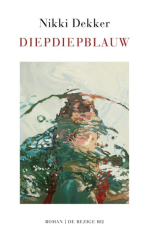
Platýs
Translated from
Dutch
to
Czech
by Blanka Konečná
Written in Dutch by Nikki Dekker
7 minutes read
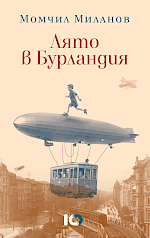
Ministerstvo snů
Translated from
Bulgarian
to
Czech
by Jitka Zárubová
Written in Bulgarian by Momchil Milanov
8 minutes read
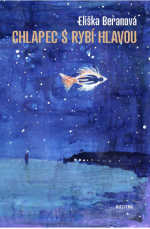
Dečak s ribljom glavom
Translated from
Czech
to
Serbian
by Jelena Đorđević
Written in Czech by Eliška Beranová
8 minutes read
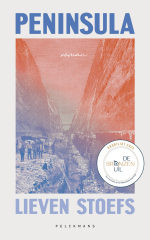
Koridor (Peninsula)
Translated from
Dutch
to
Slovenian
by Lucija Janc Novak
Written in Dutch by Lieven Stoefs
7 minutes read
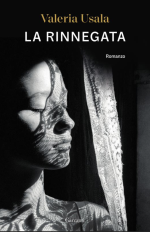
Odpadlice
Translated from
Italian
to
Czech
by Anna Kostková
Written in Italian by Valeria Usala
8 minutes read

Maniobra
Translated from
Dutch
to
Spanish
by Irene de la Torre
Written in Dutch by Simone Atangana Bekono
8 minutes read
De brug
Translated from
Portugese
to
Dutch
by Anne Lopes Michielsen
Written in Portugese by João Valente
10 minutes read
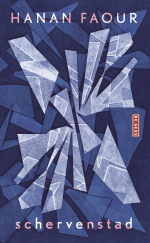
парченца град (schervenstad)
Translated from
Dutch
to
Bulgarian
by Elena Dimitrova
Written in Dutch by Hanan Faour
8 minutes read