View all filters
Clear








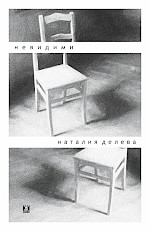
Onzichtbaar
Translated from
Bulgarian
to
Dutch
by Kieran Van Overwaele
Written in Bulgarian by Nataliya Deleva
13 minutes read
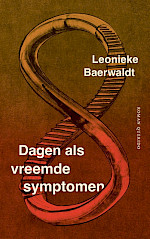
Dny jako podivné symptomy
Sisyfos bloudí peklem s prázdným invalidním vozíkem a není si úplně jistá, co tam vlastně hledá, kromě toho, že musí z denního stacionáře vyzvednout svou dceru s vícečetným postižením. Po misi, která pokaždé selže, se vrací do ošuntělého přízemního bytu prapodivné bytovky. Když se s ní dá zdánlivě zničehonic do řeči domácí, začne se Sisyfos najednou rozpomínat.
Dny jako podivné symptomy je boj s otupělostí, hledání hranic mateřství, naděje i bezradnosti, života i smrti.
Translated from
Dutch
to
Czech
by Klára Němcová
Written in Dutch by Leonieke Baerwaldt
8 minutes read
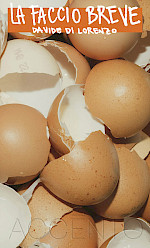
O zic pe scurt
Are douăzeci și patru de ani, este pe jumătate napolitan și pe jumătate maghiar, a studiat la Bologna, ar vrea să devină regizor și încă își caută drumul: acesta este portretul inițial al personajului principal din O zic pe scurt, remarcabilul roman de debut al lui Davide Di Lorenzo. Se numește Davide, la fel ca autorul, și îl întâlnim pentru prima dată la Budapesta, orașul în care s-a născut și a crescut mama lui. A lăsat în urmă Italia, prietenii, familia, iar cu toate că viața în străinătate nu îl scutește de aventuri grotești, existența lui de zi cu zi rămâne apatică și lipsită de direcție.
O călătorie la Berlin nu va schimba lucrurile, care încep să se pună în mișcare abia odată cu admiterea la o școală de cinema și mutarea la Roma. Pădurea de pini, nopțile petrecute dansând (și, implicit, întorsăturile rocambolești), oboseala și noile întâlniri îl vor trezi treptat pe Davide, preocupat să dezlege un mister: apariția absurdă, dar tot mai frecventă, a unui ou spart pe palier.
Davide Di Lorenzo reușește să redea cu fidelitate ironică viața cotidiană a unui tânăr aflat în pragul maturității, atât în dimensiunea ei domestică și melancolică, cât și în cea a nenumăratelor seri la Roma sau a petrecerilor pline de alcool prin Europa. O zic pe scurt este un roman degajat și emoționant, care păstrează ritmul dezlânat și prospețimea specifică vârstei de douăzeci de ani.
Translated from
Italian
to
Romanian
by George Doru Ivan
Written in Italian by Davide Di Lorenzo
10 minutes read
Cum vom rămâne mai puțini
Translated from
Dutch
to
Romanian
by Cătălina Oșlobanu
Written in Dutch by Rebekka de Wit
9 minutes read
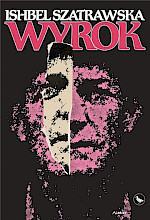
Het vonnis
Translated from
Polish
to
Dutch
by Małgosia Briefjes
Written in Polish by Ishbel Szatrawska
9 minutes read
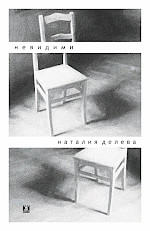
Invizibili
Invizibili este un roman despre neacceptarea celor diferiți, în care copiii își imaginează propriii părinți. O tânără care a crescut într-un orfelinat încearcă să-şi depășească traumele copilăriei. După o serie de despărțiri, o întâlnește pe Dara – o fetiță abandonată, în care se recunoaște. Se atașează de ea și decide cu orice preț să găsească o cale de a-i oferi viața pe care ea însăși nu a avut-o niciodată. Este un roman despre oamenii de la marginea societății. Diferite fire narative se împletesc pentru a spune o poveste comună: cea a invizibilității.
„Un roman despre oamenii de la marginea societății..., care te ia de gât.” Georgi Gospodinov, autorul romanelor Fizica tristeții și Refugiul timpului
„Puțini sunt cei care pot reda fără niciun fel de pretenție viața celor care au trecut printr-un orfelinat, mai ales în perioada de tranziție, și destinele lor ulterioare. De fapt, mai general spus, fiecare dintre noi este un copil abandonat, dar cei despre care povestește autoarea sunt cu adevărat invizibili pe harta socială. Natalia Deleva înlătură de pe chipurile lor toate clișeele cu care i-am pângărit. O carte dificilă, importantă, cu adevărat importantă.” Marin Bodakov, ziarul Cultura
“The narrator in Four Minutes (Invizibili) collates excerpts from news articles, listens to her own (internal) voice, to the stories of people she meets on the way, looks into the past, confronts traumas and, pulling the reader out of their comfort zone, asks important questions about our world, about life in exile, about people who are excluded, abandoned, homeless. A beautiful, intricately woven and exciting book.” Wioletta Greg, author of Swallowing Mercury
Translated from
Bulgarian
to
Romanian
by Maria Andrei
Written in Bulgarian by Nataliya Deleva
11 minutes read
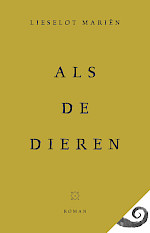
Precum animalele
În Precum animalele, o femeie analizează ce i s-a întâmplat după nașterea primului copil – o experiență atât de sumbră, încât femeia se revoltă împotriva limbajului și a semnificației. Își caută alinarea în lumea animalelor, mituri antice, fotografii, e-mailuri, chiar și în listele de cumpărături din timpul sarcinii. Cum devii mamă la mult timp după ce ai dat naștere copilului tău? Și cum lipești la loc crâmpeiele unei persoane, după ce s-a năruit?
„O poveste tulburătoare, care îl pune pe gânduri pe cititor. O splendidă deznădejde.” – NRC Handelsblad *****
„Lieselot Mariën debutează cu un roman foarte puternic și crud despre maternitate. Precum animalele e atât raportul unei căutări existențiale, cât și o operă sclipitoare a limbajului.” – De Tijd
Translated from
Dutch
to
Romanian
by Andreea Bălteanu
Written in Dutch by Lieselot Mariën
9 minutes read
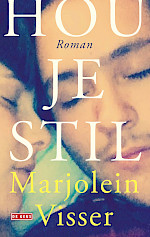
Resta in silenzio
“La scomparsa di uno di noi non fa notizia, perché non è una notizia. Il resto del mondo a te non pensa – né quando sniffano la tua cocaina, né quando indossano i vestiti che hai creato, né quando ti cacciano dal loro Paese.”
Questa è la storia di Alex, un ragazzo introverso fuggito dal Messico e assunto per un tirocinio in un’università olandese, che prova a salvare il salvabile. Per vivere, deve parlare; per sopravvivere non deve farlo.
“Resta in silenzio” è un romanzo avvincente su confini chiusi e sul coraggio sconfinato, sulla forza della lingua e sulla torbida differenza fra carnefici e vittime.
Tutti i personaggi di questo libro sono fittizi. I fatti narrati no.
Il libro è basato su anni di ricerche e sulle testimonianze di persone che hanno vissuto l’esperienza di rifugiati o esiliati, persone impegnate nel diritto d’asilo, docenti di varie università (messicane), psicologi del trauma, attivisti per i diritti umani, giornalisti, clandestini, e vittime e carnefici dei cartelli e di bande criminali. La storia fa luce sull’impatto dei governi (internazionali) sugli individui, così come sulla violenza legata al narcotraffico e agli abusi sessuali. Quest’avvincente racconto svela anche la complessa relazione tra i “Paesi della droga” come il Messico e l’Europa: un continente che sta innalzando sempre più confini ai richiedenti asilo e che è allo stesso tempo un crocevia e grande consumatore della cocaina.
Translated from
Dutch
to
Italian
by Jessica Rostro Benigno
Written in Dutch by Marjolein Visser
9 minutes read
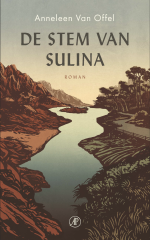
Głos Suliny
Translated from
Dutch
to
Polish
by Marta Talacha
Written in Dutch by Anneleen Van Offel
8 minutes read
Dnevi kot nenavadni simptomi
Translated from
Dutch
to
Slovenian
by Tina Jurman
Written in Dutch by Leonieke Baerwaldt
7 minutes read
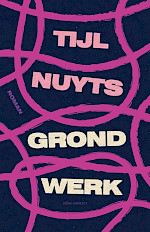
Ґрунтова робота
Translated from
Dutch
to
Ukrainian
by Olga Bondarenko
Written in Dutch by Tijl Nuyts
7 minutes read
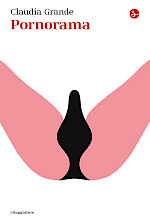
Pornorama
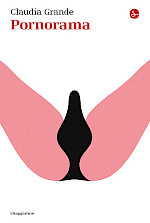
Tento příběh je pavučina přetrhaných vláken: když se podaří zachytit jedno, ostatní se vysmeknou. Je to příběh znepokojivé série úmrtí v prostředí pornografického průmyslu mezi Římem, Milánem a Turínem, ale zároveň i příběh vyšetřování, které vede vrchní inspektorka Vittoria De Feo. Je to příběh o tom, jak se dvojice dvacátníků, Bet a Teo, vydá po téže stopě ve snaze získat materiál, který by znovu nakopl jejich blog, a také příběh bulvárního novináře, jenž se snaží získat životní senzaci. Kolem jejich komplikovaného pátrání se pohybuje surrealistický sbor groteskních postav: chirurgové, kteří bohatnou prodejem erotických pomůcek modelovaných podle anatomie mrtvých pornohvězd, ďábelští právníci vodící koncipienty na vodítku, forenzní analytici snažící se prorazit jako youtubeři, bývalí herci z dětských pořadů upadlí v nemilost, psychiatři převlékající se během sezení za avokádo, upovídané influencerky sjeté kokainem, slizcí manažeři pornohereček. To vše doprovázené a okořeněné syntetickými drogami a smlouvami o podřízenosti, useknutými rukami a citronovými koláči, domácími králíky a trashovými pořady, sklady Ikea a pornografickými filmovými studii. Za zdánlivě čistou detektivní linií se rozvíjejí podoby pornografie bytí, v níž už dnes neexistuje nic obscénního.
Translated from
Italian
to
Czech
by Anna Kostková
Written in Italian by Claudia Grande
8 minutes read

Život je moj
Napisan kao kriminalistički roman, Život je moj opisuje odnose između tri žene različitog društvenog porekla: Anđele Pop, galeristkinje (i sveže majke), Grete Rot, policajke u Odeljenju za ubistva, i Karle [Razije], seksualne radnice. Pateći od postporođajne depresije, Anđela opet oseća snažnu potrebu za kontrolom, potrebu koja se, naposletku, materijalizuje u vidu izložbe koju protagonistkinja osmišljava pod naslovom „Život je moj”, posvećene njenoj ćerki Elizi i sestri Rajsi. Tu se pojavljuje Karla, koju Anđela slučajno upoznaje tokom jednog izlaska u grad, kao i bivši kolega sa fakulteta, novinar Lazar Mitrea. Međutim, Karla je kratkotrajno i ljubavnica Grete, policajke koja je zadužena za istragu sumnjive smrti Anđele Pop.
Različite narativne niti prepliću se oko sledeće dileme: da li je smrt Anđele Pop ubistvo ili samoubistvo? Ako je reč o zločinu, ko je krivac? Ima li više saučesnika? Osumnjičeni u ovom slučaju postaju svi koji su bili bliski „žrtvi”. Sumnja i napetost, kako narativna tako i ona među likovima, održavaju se do samog kraja, kada saznajemo da je Anđela Pop iskoristila sve odnose kako bi do kraja sprovela svoj plan: izložbu kao manifest. Želja za samoubistvom i znaci psihičkog klonuća lika rasuti su kroz čitav roman, ali oni ne vode direktno ka zaključku da je to bila Anđelina odluka, te se dilema ubistvo ili samoubistvo zadržava do samog kraja knjige.
Život je moj rastavlja stereotipe i predrasude vezane za porodicu, rod, seksualnost i psihičke poremećaje. Roman se, stoga, završava manifestom koji poziva na promišljanje, prihvatanje, razumevanje i empatiju.
Translated from
Romanian
to
Serbian
by Mirela Belada
Written in Romanian by Emilia Faur
7 minutes read
Дни като странни симптоми
Сизиф блуждае из ада с празна инвалидна количка и не знае какво точно търси там, освен че трябва да вземе дъщеря си, която е с множество проблеми в развитието, от дневния център. Мисия, в която тя всеки път се проваля, след което, разочарована, се връща в занемарения си апартамент на приземния етаж в странен жилищен комплекс. Когато хазяйката ѝ, сякаш от нищото, завързва разговор с нея, спомените ѝ внезапно започват да се възвръщат.
„Дни като странни симптоми” е битка с унинието, експедиция до границите на майчинството, на надеждата и отчаянието, на живота и смъртта.
Роман, който те уцелва като убиец от засада, жегва и сърцето, и ума, стреля безкомпромисно точно. — в-к „НРК”
„Дни като странни симптоми” е многопластов роман с препратки към философията и гръцката митология. Безмилостната фрагментарна форма и невинаги лекият стил, избрани от Леонике Барвалт, свидетелстват за кураж и оригиналност. Читателят, който ще се осмели да се впусне в разказа за тази на пръв поглед затворена в себе си майка, ще бъде дълбоко трогнат от този изключителен роман. — Лаудацио на журито на Литературната награда на банка БН
Translated from
Dutch
to
Bulgarian
by Elena Dimitrova
Written in Dutch by Leonieke Baerwaldt
9 minutes read
Kwiaty lotosu, które się zamykają (gdy się do nich wejdzie)
Translated from
Serbian
to
Polish
by Patrycja Chajęcka
Written in Serbian by Nikola Lekić
6 minutes read
Bądź cicho
„Zaginięcie jednego z nas nie trafia do wiadomości dnia, bo to żadna wiadomość. Reszta świata o tobie nie myśli ; nie wtedy, gdy wciąga kokainę, którą przemyciłeś, nie wtedy, gdy nosi ubrania, które uszyłeś, ani nie wtedy, gdy wyrzuca cię ze swojego kraju.”
To historia Alexa, wycofanego chłopaka, który uciekł z Meksyku i odbywa staż na holenderskim uniwersytecie, próbując ocalić wszystko, co jeszcze da się ocalić. Żeby żyć, musi mówić. Żeby przetrwać- milczec.
Milcz/ Bądź cicho to poruszająca powieść o zamkniętych granicach i bezgranicznej odwadze, o sile języka oraz o niejednoznacznej granicy między sprawcami a ofiarami.
Wszystkie postacie w tej książce są fikcyjne. Fakty - nie.
Książka opiera się na wieloletnich badaniach i relacjach osób mających doświadczenie uchodźstwa lub deportacji, specjalistów prawa azylowego, wykładowców różnych (meksykańskich) uniwersytetów, psychologów traumy, działaczy na rzecz praw człowieka, dziennikarzy, osób ukrywających się oraz ofiar i sprawców przemocy karteli i gangów. Historia rzuca światło na wpływ (międzynarodowych) władz na życie jednostek, a także na przemoc związaną z narkotykami i przemoc seksualną. Ta przejmująca opowieść obnaża również złożoną relację między „krajami narkotykowymi”, takimi jak Meksyk, a Europą, kontynentem, który coraz szczelniej zamyka granice przed osobami ubiegającymi się o azyl, a jednocześnie pozostaje jednym z głównych centrów przemytu i konsumpcji kokainy.
„Mistrzowska powieść. Trochę się przy niej popłakałam. Ostra, czuła i bolesna. Mam nadzieję, że cała Holandia przeczyta tę książkę.” , Nikki Dekker (pisarka z CELA #2)
„Imponująca, fenomenalna powieść. Marjolein Visser napisała w Milcz/ Bądź cicho wstrząsającą książkę o jednym z najbardziej brutalnych systemów na świecie.”
Lex Bohlmeijer, de Correspondent
Translated from
Dutch
to
Polish
by Marta Talacha
Written in Dutch by Marjolein Visser
7 minutes read
Aunque no llegues a ver más que una gota
Translated from
Dutch
to
Spanish
by Guillermo Briz
Written in Dutch by Rebekka de Wit
9 minutes read

Żywopłoty (The Hedges)
“Debiut Karpińskiej to opowiadania pisane Gombrowiczem, ale fajniejsze, bo o ludziach z naszych ulic” Olga Hund
Opis okładkowy:
Żywopłoty to historia człowieka, którego tożsamość zbudowana jest na narracji – istnieje tylko wtedy, gdy opowiada, dlatego jego dzieje rozpisane są niczym dzieje świata, który on szczelnie wypełnia.
Żywopłoty – z ich odrealnieniem, a jednocześnie koncentrancją na zwykłych, prostych codziennych sprawach – układają się w rodzaj baśni. To baśń o tym, co w życiu najważniejsze.
Poszczególne mikrohistorie można poznawać osobno i przy każdej na nowo odkrywać perspektywy i wymiary człowieczeństwa. Czyta się je – jak utwory najlepszych autorów czeskich, takich jak Pavel czy Hrabal – jak rzecz niewymuszoną, trochę spoza literackiego świata, nieosadzoną w konkretnej rzeczywistości i czasie.
Written in Polish by Maria Karpińska
9 minutes read
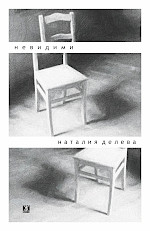
Невидимі
«Невидимі» –– роман про неприйняття інакшості, у якому діти вигадують своїх батьків. Молода жінка, яка виросла в Дитбудинку, намагається подолати травми дитинства. Після низки розлук вона зустрічає Дару –– покинуту дитину, в якій упізнає маленьку себе. Прив’язується до неї й вирішує, що будь-якою ціною знайде спосіб подарувати їй життя, якого вона сама ніколи не мала. Це роман про людей із периферії суспільства. Різні сюжетні лінії переплітаються, щоб розповісти одну спільну історію: про невидимість.
Translated from
Bulgarian
to
Ukrainian
by Khrystia Vengryniuk
Written in Bulgarian by Nataliya Deleva
9 minutes read
Pornorama
Translated from
Italian
to
Dutch
by Leine Meeus
Written in Italian by Claudia Grande
10 minutes read