View all filters
Clear









Żywopłoty (The Hedges)
“Debiut Karpińskiej to opowiadania pisane Gombrowiczem, ale fajniejsze, bo o ludziach z naszych ulic” Olga Hund
Opis okładkowy:
Żywopłoty to historia człowieka, którego tożsamość zbudowana jest na narracji – istnieje tylko wtedy, gdy opowiada, dlatego jego dzieje rozpisane są niczym dzieje świata, który on szczelnie wypełnia.
Żywopłoty – z ich odrealnieniem, a jednocześnie koncentrancją na zwykłych, prostych codziennych sprawach – układają się w rodzaj baśni. To baśń o tym, co w życiu najważniejsze.
Poszczególne mikrohistorie można poznawać osobno i przy każdej na nowo odkrywać perspektywy i wymiary człowieczeństwa. Czyta się je – jak utwory najlepszych autorów czeskich, takich jak Pavel czy Hrabal – jak rzecz niewymuszoną, trochę spoza literackiego świata, nieosadzoną w konkretnej rzeczywistości i czasie.
Written in Polish by Maria Karpińska
9 minutes read
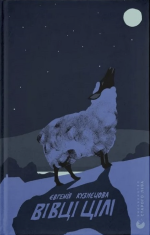
Овцете са цели
Translated from
Ukrainian
to
Bulgarian
by Dayana Gocova
Written in Ukrainian by Eugenia Kuznetsova
5 minutes read
Jutro
Translated from
Portugese
to
Polish
by Gabriel Borowski
Written in Portugese by Patrícia Patriarca
7 minutes read
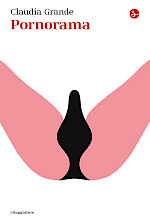
Pornorama
Esta es la historia de una telaraña de hilos rotos: si se logra aferrar uno, el resto se nos escapan. Es la historia de una inquietante serie de muertos en el mundo del porno entre Roma, Milán y Túrin, pero es también la historia de las investigaciones llevadas a cabo por la inspectora jefe Vittoria De Feo. Es la historia de cómo una pareja de veinteañeros, Bet y Teo, terminó tras las mismas pistas en busca de una oportunidad para relanzar su propio blog, y es la historia del intento de un periodista de cotilleo de conseguir la primicia de su vida. En torno a sus complicadas pesquisas se mueve un coro surreal de personajes grotescos: cirujanos que se enriquecen comerciando juguetes sexuales inspirados en la anatomía de las estrellas porno fallecidas, abogados luciferinos que tienen a sus aprendices con correa, analistas forenses que intentan triunfar como youtubers, exactores de programas para niños caídos en desgracia, psiquiatras que se disfrazan de aguacates durante las sesiones, influencers verborrágicos pasados de cocaína, representantes empalagosos de actrices porno. Todo ello acompañado y aderezado con drogas sintéticas y contratos de sumisión, manos cortadas y crostata de limón, conejos domésticos y programas basura, tiendas de Ikea y platós pornográficos. Tras el hallazgo más puro se desentrañan conjugaciones de una pornografía del ser para la cual, a estas alturas, ya no existe nada obsceno.
Translated from
Italian
to
Spanish
by Camila Ramírez
Written in Italian by Claudia Grande
10 minutes read
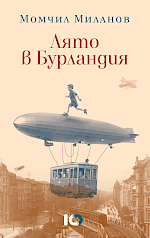
Ministerstvo snů
Translated from
Bulgarian
to
Czech
by Jitka Zárubová
Written in Bulgarian by Momchil Milanov
8 minutes read
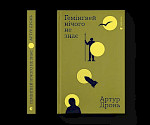
Hemingway weet helemaal niets
Translated from
Ukrainian
to
Dutch
by Roman Nesterenco
Written in Ukrainian by Artur Dron
13 minutes read
Morgen
Translated from
Portugese
to
Dutch
by Finne Anthonissen
Written in Portugese by Patrícia Patriarca
9 minutes read

Viața e a mea (This Life is Mine)
Roman scris sub formă de policier, Viaţa e a mea descrie relaţiile dintre trei femei de provenienţă socială diferită: Angela Pop, galeristă (şi proaspătă mamă), Greta Roth, poliţist la Omucideri şi Carla [Razia], lucrătoare sexuală. Suferind de depresie postnatală, Angela resimte acut nevoia de control, nevoie care ia forma, finalmente, a unei instalaţii pe care protagonista o concepe, cu titlul „Viaţa e a mea”, dedicată fiicei sale, Eliza, şi surorii sale, Raisa. În planul ei intră Carla, pe care o întâlneşte întâmplător în una dintre ieşirile în oraş, şi un fost coleg de facultate, jurnalistul Lazăr Mitrea. Carla este, însă, şi iubita – pentru o scurtă perioadă de timp – a Gretei, poliţista desemnată să investigheze moartea suspectă a Angelei Pop.
Diversele linii narative se ţes în jurul acestei dileme: este moartea Angelei omucidere sau sinucidere? Dacă este crimă, cine este vinovatul? Sunt mai mulţi complici? Suspecţii cazului devin toţi apropiaţii „victimei”. Suspiciunea şi tensiunea, narativă şi între personaje, se menţine până la final, când aflăm că Angela Pop instrumentase toate relaţiile pentru a-şi duce la bun sfârşit planul: instalaţia-manifest. Dorinţa de sinucidere şi semnele degradării psihice ale personajului sunt presărate de-a lungul romanului, însă ele nu duc direct la concluzia că aceasta ar fi fost opţiunea Angelei, aşa încât dilema crimă-sinucidere se menţine până la finalul cărţii.
Viaţa e a mea deconstruieşte stereotipurile şi prejudecăţi legate de familie, de gen, de sexualitate sau de tulburări psihice. Romanul se încheie, astfel, cu un manifest care invită la reflecţie, acceptare, înţelegere şi empatie.
Written in Romanian by Emilia Faur
8 minutes read
Порнорама
Тази история е паяжина от скъсани нишки: ако успееш да хванеш една, останалите се изплъзват. Това е историята на една тревожна поредица от смъртни случаи в света на порнографията между Рим, Милано и Торино, но е и историята на разследването, проведено от главен инспектор Витория Де Фео. Това е историята на двойка двайсетгодишни, Бет и Тео, които се озовават по същата следа в търсене на сензация, за да съживят своя блог, а също и историята на опита на един разследващ журналист да направи сензацията на живота си. Около техните сложни издирвания се движи сюрреалистичен хор от гротескни персонажи: хирурзи, които забогатяват, търгувайки със секс играчки, моделирани по анатомията на мъртви порнозвезди, лукави адвокати, които държат стажантите на къса каишка, съдебни анализатори, които се опитват да пробият като ютубъри, бивши актьори от детски предавания, изпаднали в немилост, психиатри, които се преобличат като авокадо по време на сеансите, словоохотливи инфлуенсъри, надрусани с кокаин, мазни мениджъри на порноактриси. Всичко това е придружено и подправено със синтетични наркотици и обвързващи договори , отрязани ръце и лимонови пайове, домашни зайци и траш програми, складове на Икеа и порнографски декори. Зад най-чистосърдечното разследване се разкриват прояви на една истинска порнография на съществуването, за която вече няма нищо неприлично.
Translated from
Italian
to
Bulgarian
by Brigitte Mancuso
Written in Italian by Claudia Grande
9 minutes read
Aunque no llegues a ver más que una gota
Translated from
Dutch
to
Spanish
by Guillermo Briz
Written in Dutch by Rebekka de Wit
9 minutes read
Dilema umbrelei maro Prima uşă la dreapta Nimic
Written in Romanian by Anna Kalimar
9 minutes read
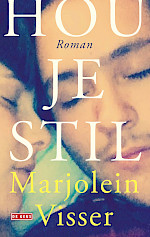
Bądź cicho
„Zaginięcie jednego z nas nie trafia do wiadomości dnia, bo to żadna wiadomość. Reszta świata o tobie nie myśli ; nie wtedy, gdy wciąga kokainę, którą przemyciłeś, nie wtedy, gdy nosi ubrania, które uszyłeś, ani nie wtedy, gdy wyrzuca cię ze swojego kraju.”
To historia Alexa, wycofanego chłopaka, który uciekł z Meksyku i odbywa staż na holenderskim uniwersytecie, próbując ocalić wszystko, co jeszcze da się ocalić. Żeby żyć, musi mówić. Żeby przetrwać- milczec.
Milcz/ Bądź cicho to poruszająca powieść o zamkniętych granicach i bezgranicznej odwadze, o sile języka oraz o niejednoznacznej granicy między sprawcami a ofiarami.
Wszystkie postacie w tej książce są fikcyjne. Fakty - nie.
Książka opiera się na wieloletnich badaniach i relacjach osób mających doświadczenie uchodźstwa lub deportacji, specjalistów prawa azylowego, wykładowców różnych (meksykańskich) uniwersytetów, psychologów traumy, działaczy na rzecz praw człowieka, dziennikarzy, osób ukrywających się oraz ofiar i sprawców przemocy karteli i gangów. Historia rzuca światło na wpływ (międzynarodowych) władz na życie jednostek, a także na przemoc związaną z narkotykami i przemoc seksualną. Ta przejmująca opowieść obnaża również złożoną relację między „krajami narkotykowymi”, takimi jak Meksyk, a Europą, kontynentem, który coraz szczelniej zamyka granice przed osobami ubiegającymi się o azyl, a jednocześnie pozostaje jednym z głównych centrów przemytu i konsumpcji kokainy.
„Mistrzowska powieść. Trochę się przy niej popłakałam. Ostra, czuła i bolesna. Mam nadzieję, że cała Holandia przeczyta tę książkę.” , Nikki Dekker (pisarka z CELA #2)
„Imponująca, fenomenalna powieść. Marjolein Visser napisała w Milcz/ Bądź cicho wstrząsającą książkę o jednym z najbardziej brutalnych systemów na świecie.”
Lex Bohlmeijer, de Correspondent
Translated from
Dutch
to
Polish
by Marta Talacha
Written in Dutch by Marjolein Visser
7 minutes read
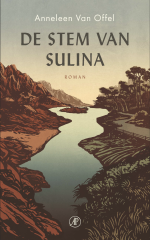
Sulinin glas
Translated from
Dutch
to
Serbian
by Tamara Britka
Written in Dutch by Anneleen Van Offel
7 minutes read
Le pecore stanno bene
Translated from
Ukrainian
to
Italian
by Claudia Bettiol
Written in Ukrainian by Eugenia Kuznetsova
6 minutes read
Amanhã
Written in Portugese by Patrícia Patriarca
8 minutes read
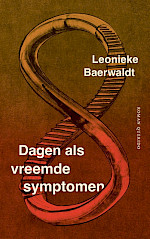
Dagen als vreemde symptomen
Sisyphus doolt door de hel met een lege rolstoel en weet niet precies wat ze daar te zoeken heeft, behalve dat ze haar dochter, die meervoudig beperkt is, moet ophalen uit het dagcentrum. Een missie die telkens mislukt, waarna ze teleurgesteld terugkeert naar de aftandse benedenwoning van een zonderling appartementencomplex. Wanneer haar hospita schijnbaar uit het niets een praatje met haar aanknoopt, begint ze zich plotseling dingen te herinneren.
Dagen als vreemde symptomen is een gevecht tegen de verveling, een zoektocht naar de grenzen van het moederschap, van hoop en radeloosheid, van leven en dood.
Written in Dutch by Leonieke Baerwaldt
9 minutes read
Mâine
Translated from
Portugese
to
Romanian
by Iolanda Vasile
Written in Portugese by Patrícia Patriarca
8 minutes read
Гласът на Сулина
Translated from
Dutch
to
Bulgarian
by Elissaveta Manolova Maciel
Written in Dutch by Anneleen Van Offel
7 minutes read
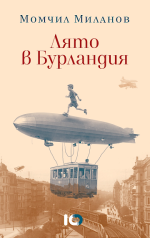
Vară în Burlandia
Ştern, un băiat de opt ani, locuiește în Greystad. Tatăl său este diplomat, iar mama sa, o artistă introvertită, se izolează tot mai mult în sine însăși. Deși nu este menționat explicit, cititorul realizează de la început că părinții lui Ştern sunt în divorţ. Își face apariția mătușa Ema (sora unui prieten apropiat al tatălui lui Ştern, un tânăr colonel ambițios din armată), care trebuie să aibă grijă de băiat cât timp tatăl său se află într-o delegație în străinătate. Acesta îi promite lui Ştern că se va întoarce pentru ziua lui de naștere, chiar înainte de Crăciun, însă curând devine clar că respectarea acestei promisiuni este foarte dificilă, la fel ca și situația politică din țară. Greystad seamănă suspect de mult cu Sofia, dar ar putea fi la fel de bine orice altă capitală din Europa Centrală sau de Est. De asemenea, rămâne neclar când anume se desfășoară povestea –pe tot parcursul narațiunii sunt presărate diverse referințe la anii ’30, ’40, sfârșitul anilor ’80 sau chiar la prezent. Acest lucru creează o atmosferă onirică de déjà vu și déjà vécu, evocând impresia că istoria memoria și trauma se repetă. Romanul împletește fire narative paralele și aluzii la teme precum populismul, organizațiile paramilitare de extremă dreaptă și efectele periculoase ale rețelelor sociale.
Cartea începe cu câteva evenimente aparent fără legătură între ele, petrecute în Greystad. În diferite case din oraș, în mod aleatoriu, încep să dispară pantofi; un aristocrat misterios, cu planuri ambițioase, sosește cu dirijabilul său. Reședința sa zburătoare rămâne să plutească amenințător deasupra orașului, întruchipând astfel sentimentul de amenințare și neliniște care se instalează în aer. Baronul are un plan viclean, care va fi dezvăluit mult mai târziu: să fure visele locuitorilor din Greystad.
„Primul roman al scriitorului bulgar este una dintre senzațiile sezonului literar, undeva între o poveste despre maturizare și o fabulă politică.”— Libération, Franța
„O întoarcere veselă-întunecată-dulce-sărată a unui adult la copilărie.”— Kristin Dimitrova, scriitoare, Ziarul literar
Dificil de definit din punct de vedere al genului, „Vară în Burlandia” conține, de fapt, elemente de fantasy, roman istoric, basm și poveste de aventuri cu un personaj negativ demonic. Tocmai posibilitatea evadării – acest orizont personal luminos – face cartea lui Milanov atât de blândă și ușor de citit. Deși acțiunea se desfășoară sub umbra apăsătoare a dirijabilului care planează deasupra orașului, nu este nimic înfricoșător sau fără speranță în ea. Este un roman strălucitor despre joacă și cum să calci în picioare răul.— Yulia Rone, Toes
Translated from
Bulgarian
to
Romanian
by Maria Andrei
Written in Bulgarian by Momchil Milanov
10 minutes read
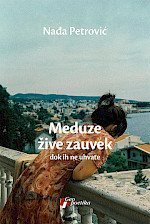
Kwallen leven eeuwig totdat iemand ze vangt
Translated from
Serbian
to
Dutch
by Lena van Tijen
Written in Serbian by Nađa Petrović
12 minutes read