View all filters
Clear









A Change is Gonna Come
Reflect on themes of resistance, power dynamics, and the insistence on transformation for another now
La depuradora
Translated from
Czech
to
Spanish
by Daniel Ordóñez Franco
Written in Czech by Anna Háblová
11 minutes read

Бінтьє
Translated from
Dutch
to
Ukrainian
by Olga Bondarenko
Written in Dutch by Tuly Salumu
7 minutes read
Skorosmrtelná
Translated from
Serbian
to
Czech
by Markéta Chlebovská
Written in Serbian by Ana Marija Grbic
8 minutes read
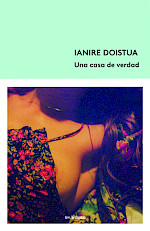
Opravdový domov
Úleva, kterou Ernest cítí po otcově sebevraždě, netrvá dlouho. Brzy zjistí, že rány z minulosti, které považoval za zahojené, jsou otevřenější než kdy dřív.
Příležitost žít v opravdovém domově, jak zděděný dům nazývá, s sebou nese přání z dětství: vytvořit ideální rodinu. Neschopnost porozumět své matce a své manželce, které chtějí samy řídit své životy, otcův neustálý vliv a návrat dávné lásky však otřesou základy, na nichž se Ernest snaží vybudovat novou, idylickou přítomnost.
Silné a současné téma okořeněné špetkou humoru dělají z Opravdového domova dynamický a intimní román s narůstajícím psychologickým napětím.
Translated from
Spanish
to
Czech
by Markéta Cubrová
Written in Spanish by Ianire Doistua
7 minutes read
V té vesnici žijeme odpradávna
Translated from
Spanish
to
Czech
by Martina Kutková
Written in Spanish by Aixa De la Cruz Regúlez
4 minutes read
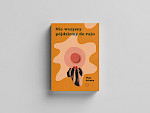
Nie wszyscy pójdziemy do raju
“Not All of Us Will Go to Paradise” is an anti-road-trip and anti-coming-of-age novel. With effortless audacity and a keen awareness of its own genre boundaries, it portrays coming out as a journey—through memory, shame, class, religion, and the body. The narrator returns to the 1990s and early 2000s: to the world of VHS tapes and 00’s music, yet this cultural veneer crumbles beneath the weight of individual experience. With remarkable acuity, Górska reconstructs the landscape of Poland's post-transformation years, when the promise of a better life shaped both public imagination and private longing. It is a meditation on language itself: on how much it makes possible, how much it withholds, how deeply it can wound, and how ecstatically it can liberate.
Górska is not writing a manifesto. She is writing about experience: sensual, painful, amusing, and shameful—and about a language that trembles, just as the body trembles.
“Not All of Us Will Go to Paradise” is a hauntological expedition into the recent past, and a brilliant narrative reminding us that stepping out of the shadows does not always mean immediate salvation.
Written in Polish by Olga Górska
6 minutes read
Non dare da mangiare alle scimmie
Translated from
Spanish
to
Italian
by Valeria Parlato
Written in Spanish by Roberto Osa
7 minutes read
Hiša v Hajfi
Written in Slovenian by Andraž Rožman
15 minutes read
Niet iedereen gaat naar het paradijs
Translated from
Polish
to
Dutch
by Małgosia Briefjes
Written in Polish by Olga Górska
7 minutes read
Sve sveri Poljske
Translated from
Spanish
to
Serbian
by Ljubica Trošić
Written in Spanish by Adriana Murad Konings
7 minutes read
Evoluce jednoho zubu
Translated from
Dutch
to
Czech
by Blanka Konečná
Written in Dutch by Alma Mathijsen
7 minutes read
Hidra
Translated from
Spanish
to
Portugese
by Matias Gomes
Written in Spanish by Matías Candeira
11 minutes read

Порнорама
Translated from
Italian
to
Ukrainian
by Olena Roman
Written in Italian by Claudia Grande
8 minutes read

Premisliti si
Translated from
Spanish
to
Slovenian
by Katja Petrovec
Written in Spanish by Aixa De la Cruz Regúlez
6 minutes read
O reencontro
Translated from
Romanian
to
Portugese
by Cristina Visan
Written in Romanian by Alexandru Potcoavă
9 minutes read
Ne idemo svi u raj
Translated from
Polish
to
Serbian
by Milica Kozić
Written in Polish by Olga Górska
6 minutes read
Bubblegum Blues
Translated from
Dutch
to
Spanish
by Guillermo Briz
Written in Dutch by Carmien Michels
9 minutes read
La reunión
Translated from
Romanian
to
Spanish
by Luciana Moisa
Written in Romanian by Alexandru Potcoavă
9 minutes read
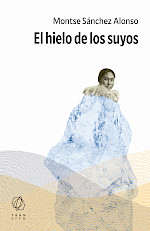
El hielo de los suyos
Estamos en el remoto pueblo de Nome, en Alaska, y corre el año 1921. Ada Blackjack, joven iñupiat, decide dejar en un hospicio a su hijo Bennett, enfermo de tuberculosis, hasta que encuentre la forma de mantenerlo. Pronto una oportunidad le cae del cielo: un barco proveniente de Seattle. En él van cuatro exploradores con ansia de aventuras y fantasías coloniales, también la gata Vic. Se dirigen a la isla de Wrangell —el último refugio de los mamuts— para anexionar el territorio a la confederación británica; están buscando a una iñupiat que cocine y cosa para ellos durante la travesía. Así es como Ada, desoyendo los augurios del chamán, se embarca en una expedición ártica. Pocos meses después todos los exploradores habrán muerto y Ada tendrá que sobrevivir sola en Wrangell con la única compañía de Vic. Para conseguirlo deberá parecerse al Gran Norte y reapropiarse de su identidad de mujer iñupiat, aplastada por años de colonialismo. Durante su transformación se enfrentará a las profundidades del hielo y de sí misma; al hambre; a la muerte de Dios; a Nanuq, el oso; así como a la posibilidad de no volver a Nome cuando llegue el barco de rescate. ¿De qué le servirá salvar a su hijo si el orden colonial nunca le dejará florecer? ¿Podrá ser ella ser buena madre si con el regreso se arriesga a la servidumbre? Su regreso final es para que Bennett conozca la ternura y el hielo de los suyos.
«A veces hay que ir hasta el corazón del hielo para encontrar el fuego de la propia vida: una aventura colosal, íntima y universal, humana y más que humana, una oda a la descolonización y a la fuerza propia. La de una mujer. La de la Tierra misma».
GABRIELA CABEZÓN CÁMARA
«Sensacional por un montón de razones: la elección de un personaje tan significativo en el momento presente; el trabajo con los límites, las fronteras de género, clase, raza, especie; la violencia contra el cuerpo y las culturas; la delgada línea que separa la aventura y el descubrimiento, de la agresión colonialista; la relación entre conocimiento y dinero… Un libro, a la vez, clásico y extraño».
MARTA SANZ
Written in Spanish by Montserrat Sánchez
10 minutes read
Bestie voi tutte dei campi
Translated from
Spanish
to
Italian
by Ilaria Garelli
Written in Spanish by Adriana Murad Konings
8 minutes read