View all filters
Clear








Mâine
Translated from
Portugese
to
Romanian
by Iolanda Vasile
Written in Portugese by Patrícia Patriarca
8 minutes read
Sincer să fiu, draga mea, mă doare-n cot
Translated from
Czech
to
Romanian
by Mircea Dan Duță
Written in Czech by Lucie Faulerová
9 minutes read
Їхня крига
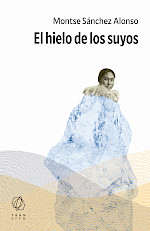
Ми у віддаленому містечку Номе, Аляска, йде 1921 рік. Ада Блекджек, молода інупіатка, вирішує залишити свого сина Беннета, хворого на туберкульоз, у притулку, доки не зможе забезпечити йому прожиток. Незабаром їй випадає щаслива нагода: корабель із Сіетла. На борту — чотири дослідники, сповнені жаги до пригод і колоніальних фантазій, а також кішка Вік. Вони прямують до острова Врангель — останнього притулку мамонтів — аби приєднати цю територію до Британської конфедерації; тому розшукують когось з інупіатів, хто готуватиме їм їжу та шитиме одяг. Ось так Ада, незважаючи на передбачення шамана, вирушає в арктичну експедицію. За кілька місяців усі дослідники загинуть, і Аді доведеться виживати самотужки на острові Врангеля, лише в компанії Вік. Для цього вона муситиме стати схожою на Велику Північ і повернути собі свою ідентичність жінки-інупіатки, придушену роками колоніалізму. Під час своєї трансформації вона зіткнеться з глибинами криги і самої себе, голодом, смертю Бога, ведмедем Нануком, а також з ймовірністю того, що вона не повернеться до Нома, коли припливе рятувальний корабель. Навіщо їй рятувати сина, якщо колоніальний порядок ніколи не дасть йому можливості реалізуватися? Чи зможе вона бути хорошою матір’ю, якщо повернення загрожує їй рабством? Її повернення має допомогти Беннету пізнати ніжність та їхню кригу.
Translated from
Spanish
to
Ukrainian
by Oleksandra Laktionova
Written in Spanish by Montserrat Sánchez
7 minutes read
Grondwerk
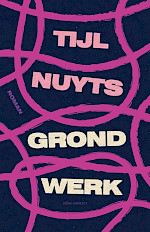
Grondwerk [Groundwork] (2025) explores climate change, collective action and attempts to make the world habitable in poetic and sensory language. In the novel, a naked mole-rat is sent on a mission from her colony in the Horn of Africa to a square in Brussels. Waiting for a briefing that fails to arrive, she observes the curious ways of the homo sapiens and starts digging tunnels in Brussels’ underbelly. As sinkholes grow all over the city – fragmenting the infrastructure of the political heart of Europe – a meeting and growing friendship with a climate activist produces an unexpected twist. Grondwerk was shortlisted for the Boekenbon Literatuurprijs and very positively reviewed in the Belgian and Dutch press.
Written in Dutch by Tijl Nuyts
9 minutes read
Tapioka
Translated from
Portugese
to
Polish
by Gabriel Borowski
Written in Portugese by Daniela Costa
7 minutes read
Cestou domů
Translated from
Italian
to
Czech
by Monika Štefková
Written in Italian by Fabrizio Allione
7 minutes read
Tapioca
Translated from
Portugese
to
Romanian
by Iolanda Vasile
Written in Portugese by Daniela Costa
8 minutes read
Krimski roman
Translated from
Ukrainian
to
Serbian
by Dragana Vasilijević-Valent
Written in Ukrainian by Anastasia Levkova
8 minutes read
La casa di Haifa
Translated from
Slovenian
to
Italian
by Lucia Gaja Scuteri
Written in Slovenian by Andraž Rožman
11 minutes read

Je to můj život
Je to můj život, kniha, napsaná formou detektivního románu, líčí vztah tří žen z rozdílného sociálního prostředí: Angely Popové, kurátorky v galerii (a čerstvé matky), Grety Rothové (vyšetřovatelky z oddělení vražd) a Carly (Razii), sexuální pracovnice.
Angela trpí poporodní depresí a pociťuje palčivou potřebu mít věci pod kontrolou. Tato potřeba nakonec vyústí v uměleckou instalaci, nazvanou „Je to můj život“, kterou věnuje dceři Elize a sestře Raise. Do jejího plánu vstoupí Carla, s níž se náhodně seznámí při jedné z večerních vycházek, i bývalý spolužák z univerzity, novinář Lazăr Mitrea. Carla je zároveň – byť jen na krátký čas – milenkou Grety, policistky pověřené vyšetřováním podezřelé smrti Angely Popové.
Rozdílné dějové linky se proplétají kolem dilematu: je Angelina smrt vražda, nebo sebevražda? Pokud je to zločin, kdo je pachatel? Je pachatelů víc? Podezřelými se postupně stávají všichni „blízcí“ oběti. Podezření a napětí – jak narativní, tak mezi postavami – přetrvává až do finále, kdy vyjde najevo, že Angela Popová všechny vztahy zinscenovala, aby uskutečnila svůj plán: instalaci-manifest.
Touha po sebevraždě a známky postupného psychického úpadku jsou roztroušené v celém románu, nevedou však nutně k závěru, že právě to byl Angelin záměr. Dilema vražda-sebevražda zůstává otevřené do posledních stránek knihy.
Je to můj život bourá stereotypy a předsudky spojené s rodinou, genderem, sexualitou a duševními poruchami. Román tak vrcholí jistým druhem manifestu, jenž vybízí k zamyšlení, přijetí, porozumění a empatii.
Translated from
Romanian
to
Czech
by Klára Našincová
Written in Romanian by Emilia Faur
7 minutes read
Hej, devojke (It’s Both Heaven and Hell Here. Moldova: a Century of Lived History)
Translated from
Romanian
to
Serbian
by Mirela Belada
Written in Romanian by Paula Erizanu
7 minutes read

Změna plánu
Translated from
Spanish
to
Czech
by Martina Kutková
Written in Spanish by Aixa De la Cruz Regúlez
5 minutes read

Hou je stil
“Een verdwijning van een van ons haalt het nieuws niet, omdat het geen nieuws is. De rest van de wereld denkt niet aan je – niet als ze jouw coke snuiven, niet als ze de kleding dragen die jij maakte, niet als ze je hun land uitzetten.”
Dit is het verhaal over de uit Mexico gevluchte Alex, een teruggetrokken jongen die stage loopt op een Nederlandse universiteit en probeert te redden wat er te redden valt. Om te leven moet hij praten, om te overleven juist niet.
Hou je stil is een meeslepende roman over dichte grenzen en grenzeloze moed, over de kracht van taal en het troebele onderscheid tussen daders en slachtoffers.
Alle personages in dit boek zijn verzonnen. De feiten niet.
Het boek is gebaseerd op jarenlang onderzoek en verhalen van mensen met ervaring met vluchten of uitgezet worden, mensen werkzaam in asielrecht, docenten van verschillende (Mexicaanse) universiteiten, traumapsychologen, mensenrechtenactivisten, journalisten, ondergedoken mensen, en slachtoffers en daders van kartel/bendegeweld. Het verhaal schijnt licht op de impact van (internationale) overheden op individuen alsook op drugs gerelateerd en seksueel geweld. Ook legt dit aangrijpende verhaal de complexe relatie bloot tussen ‘drugslanden’ zoals Mexico en Europa: een continent dat haar grenzen steeds meer optrekt voor asielzoekers en tegelijkertijd een grote cocaïnedoorvoerder en – gebruiker is.
Written in Dutch by Marjolein Visser
9 minutes read
Základy
Translated from
Dutch
to
Czech
by Barbora Genserová
Written in Dutch by Tijl Nuyts
7 minutes read
Synopsis
Translated from
Italian
to
Dutch
by Sandra Verhulst
Written in Italian by Arianna Giorgia Bonazzi
5 minutes read
Вихід ягнят
Історична фантастика «Вихід ягнят» бере початок із наслідків масакри, вчиненої над однією громадою на заході Румунії одразу після підписання Віденського диктату у 1940 році. Початок Другої світової війни застає Домніку та братів Ромі й Мікулуша в замку родини Телекі, де вони працюють слугами. Дізнавшись, що їхнє село було атаковане, вони вирушають у дорогу, щоб урятувати матір. Однак єдиний шлях утечі від озброєних гортіївських військ — це мережа підземних тунелів, прокопаних між фортецями Трансильванії (на початку книги є мапа цієї мережі), у яких румунські біженці шукають свої родини та шлях до свободи.
У Підземеллі відбуваються різноманітні сутички, адже не всі галереї були завершені, запаси в коморах вичерпуються, а шпигун, посланий угорцями, проносить усередину мішок із динамітом. Паралельно з драмою біженців розгортається й історія кохання між Ромі та Домнікою, які губляться один від одного. Домніка залишається заручницею в хуторі, населеному групою російських шпигунів, тоді як Ромі переслідує син графа Телекі разом зі своїми солдатами.
«Вихід ягнят» — це не лише динамічна історія про дороги та кордони, а й роман, що відкриває діалог на теми вигнання, колективної пам’яті та прав жінок, спонукаючи нас наприкінці замислитися: яку ціну ми готові заплатити за свободу і яку спадщину обираємо залишити майбутнім поколінням?
Translated from
Romanian
to
Ukrainian
by Paulina-Ionela Onujec
Written in Romanian by Irina Georgescu Groza
9 minutes read

Curling
Translated from
Spanish
to
Romanian
by Ilinca Gângă
Written in Spanish by Yaiza Berrocal
8 minutes read
Não Deem Comida aos Macacos
Translated from
Spanish
to
Portugese
by Matias Gomes
Written in Spanish by Roberto Osa
7 minutes read
Uy, nenas (It’s Both Heaven and Hell Here. Moldova: a Century of Lived History)
Translated from
Romanian
to
Spanish
by Borja Mozo
Written in Romanian by Paula Erizanu
9 minutes read
Мълчанието на Алексито
„Изчезването на един от нас не влиза в новините, защото не е новина. Останалият свят не мисли за теб – нито когато смъркат кокаина ти, нито когато носят дрехите, които си ушил, нито когато те изгонят от страната.“
Това е историята на Алекс, затворено момче, бежанец от Мексико, който започва стаж в нидерландски университет и се опитва да спаси онова, което може да се спаси. За да живее, той трябва да говори; за да оцелее, трябва да мълчи. „Мълчанието на Алексито“ е завладяващ роман за затворените граници и безграничната смелост, за силата на езика и размитата граница между извършители и жертви. Всички герои в тази книга са измислени. Фактите не са.
Книгата е резултат от дългогодишни проучвания и истории на бежанци или депортирани лица, специалисти в областта на бежанското право, преподаватели от различни (мексикански) университети, психолози и травма терапевти, активисти за човешки права, журналисти, хора в нелегалност, извършители и жертви на насилие от картели или банди. Романът хвърля светлина върху влиянието на правителствата върху гражданите, както и върху насилието, свързано с разпространението на наркотици и сексуалните посегателства. Тази завладяваща история разкрива сложните взаимоотношения между „държавите, използващи наркотици“ като Мексико и Европа – континент, който все повече отваря границите си за търсещите убежище, а същевременно е основен транзитен пункт и потребител на кокаин.
„Майсторски написан роман. В някои моменти не успявах да сдържа сълзите си. Остър, емоционален и разтърсващ. Надявам се цяла Нидерландия да прочете тази книга.“ — Ники Декер (писателка, CELA #2)
„Завлавяващ, феноменален роман. Марьолейн Висер открехва завесата зад изключително мощните мексикански наркокартели.“ — Лекс Болмейер, de Correspondent
Translated from
Dutch
to
Bulgarian
by Elissaveta Manolova Maciel
Written in Dutch by Marjolein Visser
8 minutes read