View all filters
Clear








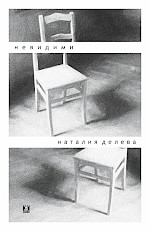
Onzichtbaar
Translated from
Bulgarian
to
Dutch
by Kieran Van Overwaele
Written in Bulgarian by Nataliya Deleva
13 minutes read
Sutra
Translated from
Portugese
to
Serbian
by Tamina Šop
Written in Portugese by Patrícia Patriarca
7 minutes read
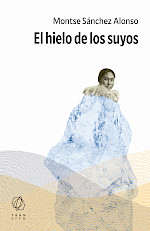
Na ledu svojih ljudi
Translated from
Spanish
to
Slovenian
by Mojca Petaros
Written in Spanish by Montserrat Sánchez
7 minutes read

La huida (Las matemáticas del crimen)
Translated from
Czech
to
Spanish
by Enrique Gutiérrez
Written in Czech by Magdalena Sodomková
11 minutes read
Dům v Haifě
Translated from
Slovenian
to
Czech
by Kateřina Honsová
Written in Slovenian by Andraž Rožman
8 minutes read

Oh, ragazze (It’s Both Heaven and Hell Here. Moldova: a Century of Lived History)
Translated from
Romanian
to
Italian
by Barbara Pavetto
Written in Romanian by Paula Erizanu
8 minutes read
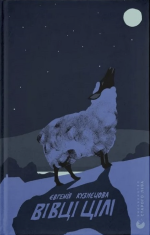
Ovce so cele
Translated from
Ukrainian
to
Slovenian
by Rina Pleteršek
Written in Ukrainian by Eugenia Kuznetsova
5 minutes read

Město ze střepů
Translated from
Dutch
to
Czech
by Barbora Genserová
Written in Dutch by Hanan Faour
7 minutes read
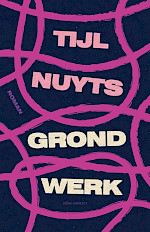
Socavones
Grondwerk (2025) [«Socavones»] explora temas como el cambio climático, la acción colectiva y el intento de conseguir un mundo habitable mediante un lenguaje poético y sensorial. La protagonista, una rata topo desnuda, es enviada en una misión desde su colonia, en el Cuerno de África, a Bruselas. Mientras espera unas órdenes que no acaban de llegar, se empieza a interesar por las peculiaridades del Homo sapiens y comienza a cavar túneles en las entrañas de la capital europea. A medida que los agujeros se expanden por toda la ciudad, socavando la infraestructura política del corazón de Europa, una amistad entablada con una activista climática florece de una manera inesperada. Grondwerk fue recibida positivamente tanto por la prensa belga como por la neerlandesa y, en 2026, recibió el premio literario Boon Literatuurprijs a la mejor obra de ficción y de no ficción.
Translated from
Dutch
to
Spanish
by Pablo Martín Sánchez
Written in Dutch by Tijl Nuyts
10 minutes read
Ґрунтова робота
Translated from
Dutch
to
Ukrainian
by Olga Bondarenko
Written in Dutch by Tijl Nuyts
7 minutes read
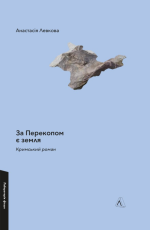
Er is nog land voorbij de Perekop
Translated from
Ukrainian
to
Dutch
by Roman Nesterenco
Written in Ukrainian by Anastasia Levkova
12 minutes read
De brug
Translated from
Portugese
to
Dutch
by Anne Lopes Michielsen
Written in Portugese by João Valente
10 minutes read
Een paar maanden later
Translated from
Slovenian
to
Dutch
by Staša Pavlović
Written in Slovenian by Andraž Rožman
11 minutes read

По рейках
Translated from
Bulgarian
to
Ukrainian
by Khrystia Vengryniuk
Written in Bulgarian by Nevena Mitropolitska
9 minutes read

Promeniti zamisao
Translated from
Spanish
to
Serbian
by Ljubica Trošić
Written in Spanish by Aixa De la Cruz Regúlez
6 minutes read
PISK
Translated from
Polish
to
Spanish
by Joanna Ostrowska
Written in Polish by Aleksandra Lipczak
12 minutes read
Rebelión a la inversa
Translated from
Romanian
to
Spanish
by Corina Oproae
Written in Romanian by Cătălin Pavel
11 minutes read
Bajo el cielo de Crimea
Translated from
Ukrainian
to
Spanish
by Alina Petryk
Written in Ukrainian by Anastasia Levkova
9 minutes read
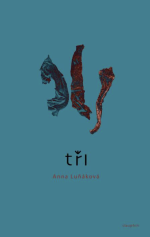
Tri!
Translated from
Czech
to
Slovenian
by Aleš Belšak
Written in Czech by Anna Luňáková
7 minutes read
Fuga (Matematica unei crime)
Translated from
Czech
to
Romanian
by Andrei Săndulescu
Written in Czech by Magdalena Sodomková
10 minutes read