View all filters
Clear








Evoluția măselei
Translated from
Dutch
to
Romanian
by Alexa Stoicescu
Written in Dutch by Alma Mathijsen
9 minutes read
Kalk
Written in Dutch by Lisa Weeda
8 minutes read
Very Important Person
Translated from
Slovenian
to
Czech
by Kateřina Honsová
Written in Slovenian by Andraž Rožman
8 minutes read
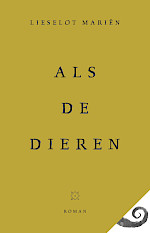
Kao životinje
Translated from
Dutch
to
Serbian
by Jana Živkić
Written in Dutch by Lieselot Mariën
8 minutes read
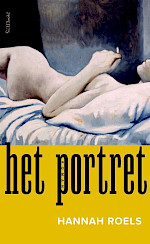
Het portret
Written in Dutch by Hannah Roels
7 minutes read
Nisem bila, vendar zdaj sem. Občutljiva na vsako spremembo vremena.
Translated from
Serbian
to
Slovenian
by Natalija Milovanović
Written in Serbian by Marija Pavlović
8 minutes read
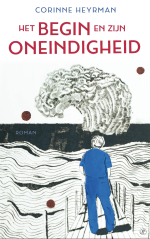
El comienzo infinito
Translated from
Dutch
to
Spanish
by Beatriz Jiménez
Written in Dutch by Corinne Heyrman
10 minutes read
Anche se non puoi vederne che una goccia
Translated from
Dutch
to
Italian
by Antonio De Sortis
Written in Dutch by Rebekka de Wit
9 minutes read
L’inizio e la sua eternità
Translated from
Dutch
to
Italian
by Jessica Rostro Benigno
Written in Dutch by Corinne Heyrman
9 minutes read
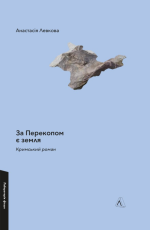
Krimski roman
Translated from
Ukrainian
to
Serbian
by Dragana Vasilijević-Valent
Written in Ukrainian by Anastasia Levkova
8 minutes read
Chiar și dacă n-apuci să vezi decât o picătură
Translated from
Dutch
to
Romanian
by Cătălina Oșlobanu
Written in Dutch by Rebekka de Wit
9 minutes read
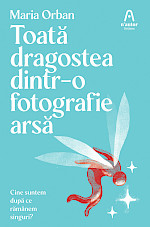
Todo el amor que cabe en un recuerdo
Todo el amor que cabe en un recuerdo pone el foco en la relación entre tres generaciones de mujeres, que entienden el mundo de maneras casi incompatibles entre sí. La familia y su precario equilibrio se ven sacudidos por el ingreso repentino de la más anciana de ellas. Los miedos paralizantes toman forma ante la cercanía de una muerte inminente. Sus mecanismos de defensa, especialmente las formas en que cada una parasita la vida de la otra en nombre del deber y del amor materno, salen a la superficie. Y Leia, situada en el punto intermedio, es quien registra los cambios, quien filtra la realidad, se esfuerza por transcribirla y darle sentido; quien negocia constantemente su identidad, en un intento de descubrir quién queda fuera de los roles de hija y de madre y de encontrar un camino hacia puerto seguro.- Eli Bădică, editor.
Translated from
Romanian
to
Spanish
by Borja Mozo
Written in Romanian by Maria Orban
10 minutes read

Je to můj život
Je to můj život, kniha, napsaná formou detektivního románu, líčí vztah tří žen z rozdílného sociálního prostředí: Angely Popové, kurátorky v galerii (a čerstvé matky), Grety Rothové (vyšetřovatelky z oddělení vražd) a Carly (Razii), sexuální pracovnice.
Angela trpí poporodní depresí a pociťuje palčivou potřebu mít věci pod kontrolou. Tato potřeba nakonec vyústí v uměleckou instalaci, nazvanou „Je to můj život“, kterou věnuje dceři Elize a sestře Raise. Do jejího plánu vstoupí Carla, s níž se náhodně seznámí při jedné z večerních vycházek, i bývalý spolužák z univerzity, novinář Lazăr Mitrea. Carla je zároveň – byť jen na krátký čas – milenkou Grety, policistky pověřené vyšetřováním podezřelé smrti Angely Popové.
Rozdílné dějové linky se proplétají kolem dilematu: je Angelina smrt vražda, nebo sebevražda? Pokud je to zločin, kdo je pachatel? Je pachatelů víc? Podezřelými se postupně stávají všichni „blízcí“ oběti. Podezření a napětí – jak narativní, tak mezi postavami – přetrvává až do finále, kdy vyjde najevo, že Angela Popová všechny vztahy zinscenovala, aby uskutečnila svůj plán: instalaci-manifest.
Touha po sebevraždě a známky postupného psychického úpadku jsou roztroušené v celém románu, nevedou však nutně k závěru, že právě to byl Angelin záměr. Dilema vražda-sebevražda zůstává otevřené do posledních stránek knihy.
Je to můj život bourá stereotypy a předsudky spojené s rodinou, genderem, sexualitou a duševními poruchami. Román tak vrcholí jistým druhem manifestu, jenž vybízí k zamyšlení, přijetí, porozumění a empatii.
Translated from
Romanian
to
Czech
by Klára Našincová
Written in Romanian by Emilia Faur
7 minutes read
Como los animales
En Als de dieren, una mujer indaga en aquello a lo que se tuvo que enfrentar tras dar a luz por primera vez —una experiencia tan oscura que se resiste a la lengua y al significado—. Busca puntos de apoyo en el reino animal y en los antiguos mitos, pero también en la memoria física de su posparto: fotos, correos e, incluso, las listas de la compra de aquella época tan cruda. ¿Cómo se convierte una en madre, mucho después de haber traído a alguien al mundo? ¿Y cómo se pueden volver a juntar los pedazos de una persona después de que se haya desmoronado?
Translated from
Dutch
to
Spanish
by Pablo Martín Sánchez
Written in Dutch by Lieselot Mariën
9 minutes read
Alle dieren van het veld
Translated from
Spanish
to
Dutch
by Joep Harmsen
Written in Spanish by Adriana Murad Konings
9 minutes read
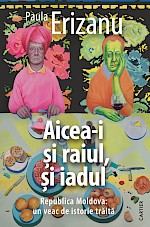
Hej, devojke (It’s Both Heaven and Hell Here. Moldova: a Century of Lived History)
Translated from
Romanian
to
Serbian
by Mirela Belada
Written in Romanian by Paula Erizanu
7 minutes read
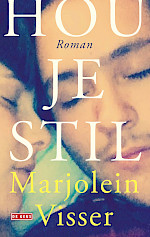
Hou je stil
“Een verdwijning van een van ons haalt het nieuws niet, omdat het geen nieuws is. De rest van de wereld denkt niet aan je – niet als ze jouw coke snuiven, niet als ze de kleding dragen die jij maakte, niet als ze je hun land uitzetten.”
Dit is het verhaal over de uit Mexico gevluchte Alex, een teruggetrokken jongen die stage loopt op een Nederlandse universiteit en probeert te redden wat er te redden valt. Om te leven moet hij praten, om te overleven juist niet.
Hou je stil is een meeslepende roman over dichte grenzen en grenzeloze moed, over de kracht van taal en het troebele onderscheid tussen daders en slachtoffers.
Alle personages in dit boek zijn verzonnen. De feiten niet.
Het boek is gebaseerd op jarenlang onderzoek en verhalen van mensen met ervaring met vluchten of uitgezet worden, mensen werkzaam in asielrecht, docenten van verschillende (Mexicaanse) universiteiten, traumapsychologen, mensenrechtenactivisten, journalisten, ondergedoken mensen, en slachtoffers en daders van kartel/bendegeweld. Het verhaal schijnt licht op de impact van (internationale) overheden op individuen alsook op drugs gerelateerd en seksueel geweld. Ook legt dit aangrijpende verhaal de complexe relatie bloot tussen ‘drugslanden’ zoals Mexico en Europa: een continent dat haar grenzen steeds meer optrekt voor asielzoekers en tegelijkertijd een grote cocaïnedoorvoerder en – gebruiker is.
Written in Dutch by Marjolein Visser
9 minutes read

Kleine zonden
Translated from
Bulgarian
to
Dutch
by Kieran Van Overwaele
Written in Bulgarian by Paulina Georgieva
9 minutes read
Lotosové květy, které se zavírají (když se do nich vstoupí) (Cesta recepčního)
Translated from
Serbian
to
Czech
by Věra Böhmová
Written in Serbian by Nikola Lekić
6 minutes read
Nec mergitur
Translated from
Dutch
to
Romanian
by Cătălina Oșlobanu
Written in Dutch by Simone Atangana Bekono
8 minutes read