View all filters
Clear








Een bom in de nacht die de bergen verlicht
Translated from
Portugese
to
Dutch
by Finne Anthonissen
Written in Portugese by Daniela Costa
8 minutes read
Exilul
Written in Romanian by Anna Kalimar
7 minutes read
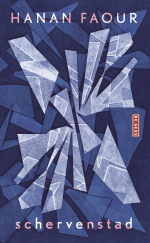
schervenstad
Nadine en haar tweelingbroer Isaac zijn op hun veertiende door het stukgelopen huwelijk van hun ouders ook van elkaar gescheiden. Isaac vertrekt met hun Libanese vader naar diens geboorteland, terwijl Nadine met hun Nederlandse moeder achterblijft in Noord-Limburg. Als de wereld jaren later wordt opgeschrikt door een explosie in de haven van Beiroet, weet Nadine één ding zeker: ze moet erheen.
Written in Dutch by Hanan Faour
9 minutes read
A ponte
Written in Portugese by João Valente
9 minutes read
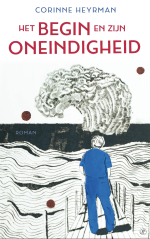
Cât de interminabil e începutul
Translated from
Dutch
to
Romanian
by Mădălina Balea
Written in Dutch by Corinne Heyrman
9 minutes read
Diario
Translated from
Slovenian
to
Italian
by Lucia Gaja Scuteri
Written in Slovenian by Mirt Komel
11 minutes read
Kot živali
Translated from
Dutch
to
Slovenian
by Lucija Janc Novak
Written in Dutch by Lieselot Mariën
8 minutes read
Gra w słowa
Translated from
Ukrainian
to
Polish
by Magdalena Ukrainets
Written in Ukrainian by Artur Dron
9 minutes read
Natalya
Translated from
Portugese
to
Spanish
by Lara Carrión
Written in Portugese by Valério Romão
5 minutes read
Diccionario del preso
Translated from
Italian
to
Spanish
by Inés Sánchez Mesonero
Written in Italian by Sara Micello
7 minutes read
Srečen konec
Translated from
Serbian
to
Slovenian
by Natalija Milovanović
Written in Serbian by Jasna Dimitrijević
8 minutes read

La ragazza che ascoltava gli uccelli
Translated from
Slovenian
to
Italian
by Lucia Gaja Scuteri
Written in Slovenian by Agata Tomažič
10 minutes read
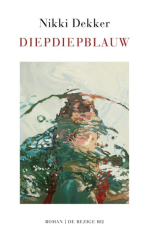
Pesce piatto
Translated from
Dutch
to
Italian
by Olga Amagliani
Written in Dutch by Nikki Dekker
8 minutes read
En Verre Vingers Tien
Written in Dutch by Joost Oomen
9 minutes read
Diário
Translated from
Slovenian
to
Portugese
by Barbara Jursic
Written in Slovenian by Mirt Komel
10 minutes read
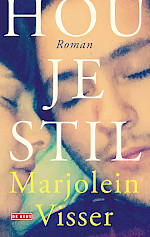
Păstrează tăcerea
„Dispariția unuia din noi nu ajunge la știri, pentru că noi nu reprezentăm o știre. Restul lumii nu se gândește la tine – nici atunci când trag pe nas cocaina de la tine, nici când poartă hainele pe care tu le-ai făcut, nici când te alungă din țara lor.”
Asta este povestea lui Alex, un imigrant din Mexic, un băiat retras, stagiar într-o universitate din Țările de Jos, care încearcă să salveze ce mai poate fi salvat. Pentru a trăi, trebuie să vorbească, pentru a supraviețui, nu.
Păstrează tăcerea este un roman captivant despre granițe închise și curaj fără granițe, despre puterea limbajului și distincția vagă dintre făptași și victime. Toate personajele din acest roman sunt fictive. Faptele nu sunt.
Cartea se bazează pe ani de cercetare și povești ale unor oameni care au fugit sau au fost deportați, oameni care lucrează în domeniul dreptului la azil, profesori din diverse universități (din Mexic), psihologi specializați în traumă, activiști pentru drepturile omului, jurnaliști, persoane care trăiesc în clandestinitate și făptași și victime ale violenței din carteluri și bande. Povestea pune în lumină impactul autorităților (internaționale) asupra indivizilor, precum și asupra violenței asociate drogurilor și asupra violenței sexuale. De asemenea, această poveste cutremurătoare expune relația complexă dintre „țările drogurilor”, precum Mexic, și Europa: un continent care își închide din ce în ce mai des granițele pentru solicitanții de azil și care este, în același timp, un mare traficant și consumator de cocaină.
„Un roman magistral. M-a făcut să plâng. Pătrunzător, plin de dragoste și dureros. Sper ca toți oamenii din Țările de Jos să citească cartea asta.” – Nikki Dekker (scriitoare, participantă CELA #2)
„Un roman impresionant, fenomenal. Marjolein Visser a scris o carte tulburătoare despre unul dintre cele mai violente sisteme din lume.” – Lex Bohlmeijer, De Correspondent
Translated from
Dutch
to
Romanian
by Mădălina Balea
Written in Dutch by Marjolein Visser
10 minutes read
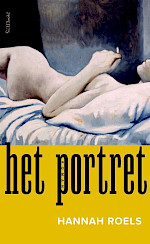
Portret
Translated from
Dutch
to
Slovenian
by Ariela Herček
Written in Dutch by Hannah Roels
6 minutes read
Evolucija umnjaka
Translated from
Dutch
to
Serbian
by Bojana Budimir
Written in Dutch by Alma Mathijsen
7 minutes read
Portrét
Translated from
Dutch
to
Czech
by Veronika Horáčková
Written in Dutch by Hannah Roels
6 minutes read
Very Important Person
Translated from
Slovenian
to
Polish
by Joanna Borowy
Written in Slovenian by Andraž Rožman
8 minutes read