View all filters
Clear








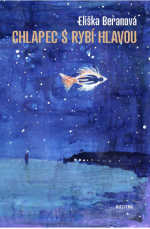
Il ragazzo con la testa di pesce
Translated from
Czech
to
Italian
by Marco Maria Baù
Written in Czech by Eliška Beranová
9 minutes read
Elogio dell’uragano
Translated from
Spanish
to
Italian
by Ilaria Garelli
Written in Spanish by Alejandro Morellón Mariano
4 minutes read
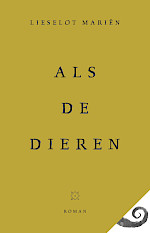
Kao životinje
Translated from
Dutch
to
Serbian
by Jana Živkić
Written in Dutch by Lieselot Mariën
8 minutes read

Het portret
Written in Dutch by Hannah Roels
7 minutes read
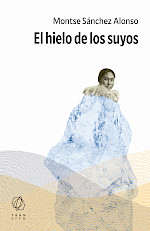
Їхня крига
Ми у віддаленому містечку Номе, Аляска, йде 1921 рік. Ада Блекджек, молода інупіатка, вирішує залишити свого сина Беннета, хворого на туберкульоз, у притулку, доки не зможе забезпечити йому прожиток. Незабаром їй випадає щаслива нагода: корабель із Сіетла. На борту — чотири дослідники, сповнені жаги до пригод і колоніальних фантазій, а також кішка Вік. Вони прямують до острова Врангель — останнього притулку мамонтів — аби приєднати цю територію до Британської конфедерації; тому розшукують когось з інупіатів, хто готуватиме їм їжу та шитиме одяг. Ось так Ада, незважаючи на передбачення шамана, вирушає в арктичну експедицію. За кілька місяців усі дослідники загинуть, і Аді доведеться виживати самотужки на острові Врангеля, лише в компанії Вік. Для цього вона муситиме стати схожою на Велику Північ і повернути собі свою ідентичність жінки-інупіатки, придушену роками колоніалізму. Під час своєї трансформації вона зіткнеться з глибинами криги і самої себе, голодом, смертю Бога, ведмедем Нануком, а також з ймовірністю того, що вона не повернеться до Нома, коли припливе рятувальний корабель. Навіщо їй рятувати сина, якщо колоніальний порядок ніколи не дасть йому можливості реалізуватися? Чи зможе вона бути хорошою матір’ю, якщо повернення загрожує їй рабством? Її повернення має допомогти Беннету пізнати ніжність та їхню кригу.
Translated from
Spanish
to
Ukrainian
by Oleksandra Laktionova
Written in Spanish by Montserrat Sánchez
7 minutes read

Grondwerk
Grondwerk [Groundwork] (2025) explores climate change, collective action and attempts to make the world habitable in poetic and sensory language. In the novel, a naked mole-rat is sent on a mission from her colony in the Horn of Africa to a square in Brussels. Waiting for a briefing that fails to arrive, she observes the curious ways of the homo sapiens and starts digging tunnels in Brussels’ underbelly. As sinkholes grow all over the city – fragmenting the infrastructure of the political heart of Europe – a meeting and growing friendship with a climate activist produces an unexpected twist. Grondwerk was shortlisted for the Boekenbon Literatuurprijs and very positively reviewed in the Belgian and Dutch press.
Written in Dutch by Tijl Nuyts
9 minutes read
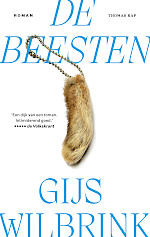
Зверовете
„Не искам да правя внушения, но скромното ми мнение е, че нещата с Том Келер се объркаха, още когато двамата му чичовци го заведоха посред нощ в гората и го накараха да върши неща, с които едно деветгодишно момче не би следвало да се занимава на такава крехка възраст.“
Така започва „Зверовете“, дебютният роман на Хейс Вилбринк. Действието се развива в Ахтерхук, сред рев на мотоциклети, безжалостни бракониери, ферми за норки и съмнителни сделки, които не могат да понесат дневната светлина. В този тайнствен граничен район израства Том Келер, най-младият потомък на най-известното семейство в околността и благословен с талант в мотоциклетния спорт. Когато години по-късно той внезапно изчезва, непокорната му дъщеря тръгва по следите му и се завръща в родното място, което води до драматична среща на семейството.
„Още с първото изречение писателят ни потапя дълбоко в своя свят с майсторство, сравнимо с това на Габриел Гарсия Маркес. Невероятен роман. Изключително добър.“ — de Volkskrant
„В разтърсващия дебют на Хейс Вилбринк читателят буквално усеща как селото го дебне с пронизващ поглед. Роман, който увлича като бурна река.“ — NRC
Translated from
Dutch
to
Bulgarian
by Elissaveta Manolova Maciel
Written in Dutch by Gijs Wilbrink
8 minutes read
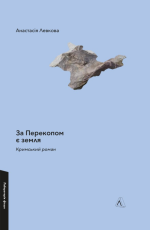
Krimski roman
Translated from
Ukrainian
to
Serbian
by Dragana Vasilijević-Valent
Written in Ukrainian by Anastasia Levkova
8 minutes read
Como los animales
En Als de dieren, una mujer indaga en aquello a lo que se tuvo que enfrentar tras dar a luz por primera vez —una experiencia tan oscura que se resiste a la lengua y al significado—. Busca puntos de apoyo en el reino animal y en los antiguos mitos, pero también en la memoria física de su posparto: fotos, correos e, incluso, las listas de la compra de aquella época tan cruda. ¿Cómo se convierte una en madre, mucho después de haber traído a alguien al mundo? ¿Y cómo se pueden volver a juntar los pedazos de una persona después de que se haya desmoronado?
Translated from
Dutch
to
Spanish
by Pablo Martín Sánchez
Written in Dutch by Lieselot Mariën
9 minutes read

Hej, devojke (It’s Both Heaven and Hell Here. Moldova: a Century of Lived History)
Translated from
Romanian
to
Serbian
by Mirela Belada
Written in Romanian by Paula Erizanu
7 minutes read
Zawsze mieszkałyśmy w tej wiosce
Translated from
Spanish
to
Polish
by Katarzyna Górska
Written in Spanish by Aixa De la Cruz Regúlez
4 minutes read
Základy
Translated from
Dutch
to
Czech
by Barbora Genserová
Written in Dutch by Tijl Nuyts
7 minutes read
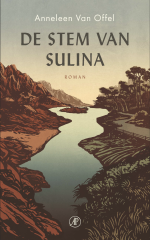
Hlas Suliny
Translated from
Dutch
to
Czech
by Klára Němcová
Written in Dutch by Anneleen Van Offel
6 minutes read

Вихід ягнят
Історична фантастика «Вихід ягнят» бере початок із наслідків масакри, вчиненої над однією громадою на заході Румунії одразу після підписання Віденського диктату у 1940 році. Початок Другої світової війни застає Домніку та братів Ромі й Мікулуша в замку родини Телекі, де вони працюють слугами. Дізнавшись, що їхнє село було атаковане, вони вирушають у дорогу, щоб урятувати матір. Однак єдиний шлях утечі від озброєних гортіївських військ — це мережа підземних тунелів, прокопаних між фортецями Трансильванії (на початку книги є мапа цієї мережі), у яких румунські біженці шукають свої родини та шлях до свободи.
У Підземеллі відбуваються різноманітні сутички, адже не всі галереї були завершені, запаси в коморах вичерпуються, а шпигун, посланий угорцями, проносить усередину мішок із динамітом. Паралельно з драмою біженців розгортається й історія кохання між Ромі та Домнікою, які губляться один від одного. Домніка залишається заручницею в хуторі, населеному групою російських шпигунів, тоді як Ромі переслідує син графа Телекі разом зі своїми солдатами.
«Вихід ягнят» — це не лише динамічна історія про дороги та кордони, а й роман, що відкриває діалог на теми вигнання, колективної пам’яті та прав жінок, спонукаючи нас наприкінці замислитися: яку ціну ми готові заплатити за свободу і яку спадщину обираємо залишити майбутнім поколінням?
Translated from
Romanian
to
Ukrainian
by Paulina-Ionela Onujec
Written in Romanian by Irina Georgescu Groza
9 minutes read
Uy, nenas (It’s Both Heaven and Hell Here. Moldova: a Century of Lived History)
Translated from
Romanian
to
Spanish
by Borja Mozo
Written in Romanian by Paula Erizanu
9 minutes read
Starogrški avtomobil
Translated from
Czech
to
Slovenian
by Vesna Dragar
Written in Czech by Ondrej Macl
9 minutes read

S pticama delim nebo
Translated from
Slovenian
to
Serbian
by Jelena Dedeić
Written in Slovenian by Agata Tomažič
8 minutes read
Zwierzyna
Translated from
Dutch
to
Polish
by Marta Talacha
Written in Dutch by Gijs Wilbrink
7 minutes read
Portretul
Translated from
Dutch
to
Romanian
by Irina Kappelhof Costea
Written in Dutch by Hannah Roels
7 minutes read
De jongen met het vissenhoofd
Translated from
Czech
to
Dutch
by Lysanne Aarsman
Written in Czech by Eliška Beranová
10 minutes read