View all filters
Clear








Que el cielo quede despejado
Written in Spanish by Matías Candeira
6 minutes read
Il ritratto
Translated from
Dutch
to
Italian
by Francesco Panzeri
Written in Dutch by Hannah Roels
6 minutes read
Toată dragostea dintr-o fotografie arsă (All the Love in a Burnt Photograph)
Toată dragostea dintr-o fotografie arsă pune reflectorul pe relația a trei generații de femei, care înțeleg lumea în moduri aproape incompatibile unul cu celălalt. Familia și echilibrul ei precar sunt zdruncinate de internarea bruscă a celei mai vârstnice dintre ele. Fricile paralizante capătă contur în apropierea morții iminente. Mecanismele lor de apărare, mai ales felurile în care fiecare parazitează viața celeilalte, în numele datoriei și al iubirii materne, ies la suprafață. Iar Leia, aflată la mijlocul distanței este cea care înregistrează schimbările, cea care cerne realitatea, se străduiește să o transcrie și să-i dea un sens, cea care își negociază constant identitatea, în încercarea de a descoperi cine rămâne în afara rolurilor de fiică și de mamă și de a găsi un drum spre liman. (Eli Bădică, editoare)
Written in Romanian by Maria Orban
9 minutes read
Dopo l’ultima cena
Translated from
Portugese
to
Italian
by Francesca Leotta
Written in Portugese by José Gardeazabal
8 minutes read
Todo irá bien
Translated from
Dutch
to
Spanish
by Carmen Clavero Fernández
Written in Dutch by Aya Sabi
7 minutes read
Lieto fine
Translated from
Serbian
to
Italian
by Sara Latorre
Written in Serbian by Jasna Dimitrijević
9 minutes read
Apuntes para la vida de Frances Donnell
Written in Spanish by Adriana Murad Konings
6 minutes read
Změna
Translated from
Polish
to
Czech
by Tadeáš Dohňanský
Written in Polish by Joanna Gierak Onoszko
8 minutes read
Rejon 24
Prošlo je već nekoliko godina otkako su Luk i Eli prvi put kročili na tlo Crvene planete. Sadnjom višanja na Marsu, koje zasad jedine uspevaju na ovoj turobnoj planeti, otac i ćerka započinju uzbudljivu potragu za tajnama ukopanim u naslage crvenkaste prašine. Stabla puna tamnocrvenih plodova rastu pod svodovima svih specijalizovanih plastenika, osim u jednom – Rejonu 24. Dok se unutrašnjost njihovih astronautskih odela sve više puni usamljenošću, strahom, nerazumevanjem i tugom, tragični događaji iz prošlosti nastavljaju da ih pritiskaju kao sumorna izmaglica Marsa. Iako često primoravaju sebe da ne razmišljaju o domu koji su privremeno napustili, iskre njihovih priča i sećanja nemoguće je u potpunosti ugasiti – one ih vuku ka bitnim sitnicama i događajima koji su oblikovali njihove živote. Zašto je važno na koji način Eli jede višnje i koje je drvo Luk zasadio kad je bio mali? Da li staro imanje, voćnjak, obližnje jezero, utihnuli seoski vašar i mreža isprepletenih kanala i šumaraka mogu biti skelet i životni sistem jedne porodice? U svom debitantskom romanu Boris Džinić vešto prepliće prošlost i sadašnjost svojih junaka i donosi nam dirljivu priču o snazi uspomena, ljubavi, bolu, patnji i neraskidivim vezama među ljudima. Rejon 24 podseća nas da je i na najmračnijem mestu moguće sačuvati radost življenja i veru da se onome što nas čeka vredi vratiti.
Written in Serbian by Boris Džinić
9 minutes read
Tri!
Translated from
Czech
to
Slovenian
by Aleš Belšak
Written in Czech by Anna Luňáková
7 minutes read

24
Translated from
Serbian
to
Dutch
by Pavle Trkulja
Written in Serbian by Marija Pavlović
10 minutes read
13 DÍAS EN NUESTRA NEVERA
Written in Spanish by Roberto Osa
8 minutes read
Jutro
Translated from
Portugese
to
Polish
by Gabriel Borowski
Written in Portugese by Patrícia Patriarca
7 minutes read
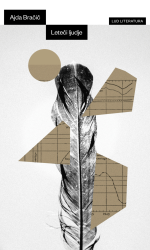
Nema nikoga ko bi ličio na tebe (Leteći ljudi)
Translated from
Slovenian
to
Serbian
by Jelena Ivanišević
Written in Slovenian by Ajda Bračič
7 minutes read
De zuiveringsinstallatie
Translated from
Czech
to
Dutch
by Annette Manni
Written in Czech by Anna Háblová
11 minutes read
Tapioca
Translated from
Portugese
to
Romanian
by Iolanda Vasile
Written in Portugese by Daniela Costa
8 minutes read
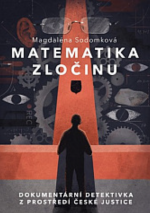
Bekstvo (Matematika zločina)
Translated from
Czech
to
Serbian
by Jelena Đorđević
Written in Czech by Magdalena Sodomková
9 minutes read
Parenthese
Translated from
Spanish
to
Dutch
by Heleen Oomen
Written in Spanish by Mariana Torres
8 minutes read
Ćrtice
Ćrtice so roman o Miji in njeni družini, ki se ji je po osamosvojitvi Slovenije zgodil t. i. izbris. Izbris prebivalcev je bil eden najtemnejših trenutkov v sodobni slovenski zgodovini: leta 1992 je bilo več kot 25.000 ljudi – večinoma nekdanjih državljanov drugih jugoslovanskih republik – nezakonito izbrisanih iz registra stalnih prebivalcev. Čez noč so izgubili pravni status, osebne dokumente in temeljne človekove pravice, s čimer so postali nevidni v lastni državi.
Roman razpira tišino okoli te travme – o njej ne govori ne družina ne družba. Mijina zgodba ponuja intimen vpogled v drugo, manj slovesno plat slovenske osamosvojitve in razpada Jugoslavije. S prefinjenim humorjem in tankočutnim pripovednim glasom avtorica razkriva, kako se družbene in politične spremembe zrcalijo v vsakdanjem življenju posameznika. Slovenska literatura s tem romanom prvič dobi obravnavo izbrisa skozi perspektivo otroka – deklice, ki sprva ne razume pomena državljanstva, mej in identitete, a skozi odraščanje vse bolj dojema, zakaj je pomembno, da imaš “dovolj črtic” na zadnji črki svojega priimka.
Written in Slovenian by Tina Perić
7 minutes read
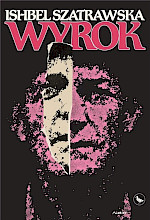
Wyrok
Two scoundrels were ordered to execute a snitch. Wandering through the mountains and villages, they are hunted by their past. A dreamlike parable set in a brutal world with characters grasped by their own fear.
Written in Polish by Ishbel Szatrawska
7 minutes read