View all filters
Clear








Človek spet je brat človeku
Translated from
Dutch
to
Slovenian
by Ariela Herček
Written in Dutch by Yelena Schmitz
7 minutes read
Slovar obsojenca
Translated from
Italian
to
Slovenian
by Martin Kastelic
Written in Italian by Sara Micello
6 minutes read
Fili
Translated from
Dutch
to
Italian
by Francesco Panzeri
Written in Dutch by Hannah Roels
8 minutes read
Бинту
Жилищен квартал с панелни блокове в провинциален град през 90-те години на миналия век. Бинту расте в семейство, в което цари отчуждението. Баща ѝ е конгоанец, религиозен до фанатизъм и неуспял писател, който не може да си намери работа и прекарва дните си в писане на мемоари. Загубата на илюзии е съпроводена с нарастващата му алкохолна зависимост и прояви на домашно насилие. Въпреки всичко Бинту обожава баща си и се опитва да му помогне. Когато става ясно, че спасение няма, тя прекъсва всякакви контакти с него.
Тридесет години по-късно Бинту се оказва в подобна ситуация. Разведена и отчуждена от сина си, тя все още живее в стария квартал с високите жилищни блокове, които сега изглеждат още по-западнали, и се бори със своите зависимости. Учителската заплата ѝ осигурява известна стабилност, докато един ден в училище тя губи контрол и е принудена да се изправи срещу травмите от детството си.
„Тули Салуму е обрисувала главната героиня Бинту с дълбоко психологическо проникновение, присъщо само на опитните романисти. Със съвкупност от въздействащи детайли тя създава реалистичен и затрогващ портрет на Бинту, баща ѝ Юма и майка ѝ Кристел. Без съмнение един впечатляващ дебют.“ — De Standaard ****
„С обезоръжаваща откровеност и неподправен реализъм Тули Салуму разказва какво е да израснеш като цветнокожо момиче в среда, в която цветът на кожата все още е определящ фактор. Романът ѝ е силен дебют, посветен на проявите на расизма в ежедневието ни.“ — Het Nieuwsblad ****
Translated from
Dutch
to
Bulgarian
by Elissaveta Manolova Maciel
Written in Dutch by Tuly Salumu
9 minutes read
Банановото поколение: За двойствения живот на днешните китайски нидерландци
Translated from
Dutch
to
Bulgarian
by Elena Dimitrova
Written in Dutch by Pete Wu
9 minutes read
Meduzele trăiesc pentru totdeauna până sunt prinse
Sara tocmai a împlinit nouăsprezece ani și, din cauza unei traume reprimate din trecut, simte o teamă tot mai mare că va muri în acest an. Din acest motiv, ceea ce ar trebui să fie cea mai lipsită de griji vară din viața ei, între liceu și facultate, o petrece sub umbra anxietății. Iese cu prietenii prin cluburi alternative, încearcă să se împace cu fostul ei iubit, Viktor, bea mult și își dorește să fie remarcată de toți, deși, în esență, este retrasă. Totul se schimbă după ce, într-o încăpere întunecată a unui club, Sara are prima viziune, în care trauma din trecut prinde din nou viață - se reîntâlnește cu Lara, verișoara ei de nouăsprezece ani. Sara se trezește în dimineața următoare cu o senzație de furnicături în mână, care se extinde, iar ea descoperă că suferă de o boală nenumită, cu care va putea trăi normal, dar care o va însoți pentru totdeauna. Primind primul indiciu că teama ei de moarte este justificată, Sara începe, cuprinsă de panică, să analizeze obsesiv acest concept, propriul corp ca pe ceva fragil și trecător, iar prin aceste gânduri se maturizează brusc. Începe cursurile pregătitoare pentru pictură, unde îi cunoaște pe Tisa și Balša, doi tineri excentrici, amândoi marcați de întâlniri cu moartea și de traume îngropate. În Tisa, Sara găsește un model, iar de Balša se îndrăgostește. Prin relația cu ei, Sara se confruntă cu prezentul, viitorul și trecutul ei — cu tragedia familială care i-a marcat întreaga copilărie: moartea verișoarei sale, Lara.
„Vulnerabil și puternic, jucăuș și neliniștitor. Romanul excepțional al Nađei Petrović începe ca o dramă adolescentină de maturizare, dar se transformă rapid într-o confesiune intimă captivantă, aerată și poetică, în același timp emoționantă și dureroasă. Este o poveste despre fragilitatea profundă și esențială, despre frica de moarte, dar și despre frica de viață.” - Srđan Golubović
„Narațiunea Sarei, digresivă, adesea colorată de un umor ușor, autoironic, nu este vocea literară stereotipă a unui adolescent. Digresiunile ei se coagulează adesea în imagini lingvistice surprinzătoare, care capătă și un echivalent “exterior”: neoptând pentru o proză strict realistă, autoarea introduce în roman motive fantastice importante și întregi scene onirice, integrându-le armonios și foarte funcțional în narațiune și folosindu-le ca elemente structurale semnificative ale întregului.” - Comunicatul juriului format din prof. dr. Jelena Panić Maraš, prof. dr. Predrag Petrović și dr. Tijana Tropin, la acordarea premiului „Grozdana Olujić” pentru cea mai bună carte de proză a anului 2023
Translated from
Serbian
to
Romanian
by Aleksandra Petrov
Written in Serbian by Nađa Petrović
10 minutes read
Bodi tiho
Translated from
Dutch
to
Slovenian
by Tina Jurman
Written in Dutch by Marjolein Visser
8 minutes read
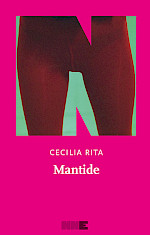
Călugărița
Mia are douăzeci și șapte de ani și vede în fiecare zi ce e mai rău în lume: lucrează ca moderatoare de conținut și trebuie să cenzureze cele mai violente videoclipuri care circulă online. De când fostul ei iubit, Ruben, a murit electrocutat în cadă, trăiește prinsă într-un cerc vicios de nihilism și remușcare, amorțită de jobul pe care îl are și de medicația psihiatrică, însuflețindu-se doar pe alocuri datorită prieteniei cu Dennis și Miriam.
Trecutul cu Ruben este o arhivă de amintiri cumplite, asemănătoare imaginilor pe care trebuie să le elimine de pe internet, dar pe care nu le poate șterge din propria memorie: șantajele lui emoționale, prin care o acuza că îl consumă ca o călugăriță, insecta carnivoră care își devorează partenerul și teama de a-l părăsi. Dar când dă peste videoclipul Sofiei, o fată care îi seamănă și care se aruncă de pe un pod, Mia se trezește și pornește pe urmele ei: îl întâlnește pe iubitul acesteia, Lapo, un muzician în plină ascensiune, și pe prietena ei Margot, escortă și dansatoare într-un club de noapte, lăsându-se sedusă de amândoi, într-un joc de oglinzi amețitor. Până când Mia, împreună cu Miriam și Margot, decide să-și ofere o alternativă, într-un pact de fraternitate neconvențional, capabil să-i spargă, în cele din urmă, carapacea durerii.
În fragilitate există o formă de disperare și de resemnare pe care nu vom reuși niciodată să o controlăm pe deplin. Și asta ne-ar putea distruge, fiindcă fragilitatea nu înseamnă neapărat slăbiciune.
Cu Ruben a fost dragoste la prima vedere. Știu că nu e iubire, ci fascinație, carnea care se caută și se dorește, trupuri care se recunosc reciproc, așa cum rechinul simte sângele. Și acum, dacă m-ar întreba cineva care a fost cea mai frumoasă zi din viața mea, aș răspunde fără să clipesc: ziua în care l-am întâlnit. Și totuși știu că nu e adevărat, că au existat și alte zile. Că, dacă ceea ce trăiam noi era iubire, atunci iubirea nu există.
Translated from
Italian
to
Romanian
by George Doru Ivan
Written in Italian by Cecilia Rita
10 minutes read
Francamente querida, tanto me faz
Translated from
Czech
to
Portugese
by Stepanka Lichtblau
Written in Czech by Lucie Faulerová
8 minutes read
Přibližně v ten samý okamžik mě pohltilo město
Translated from
Ukrainian
to
Czech
by Adéla Mikešová
Written in Ukrainian by Anastasia Levkova
8 minutes read
Residence
Translated from
Italian
to
Portugese
by Ana Cristino
Written in Italian by Maurizio Amendola
9 minutes read
De brug
Translated from
Portugese
to
Dutch
by Anne Lopes Michielsen
Written in Portugese by João Valente
10 minutes read
Verstoring van het verhaal
Translated from
Czech
to
Dutch
by Lysanne Aarsman
Written in Czech by Emma Kausc
11 minutes read
Щом животните
В „Щом животните” една жена изследва връхлитащото я след раждането на първото ѝ дете – изживяване толкова мрачно, че тя се съпротивлява на езика и смисъла. Търси опора в животинското царство, в старите митове, в снимки, имейли и дори в списъците си за пазаруване от периода около раждането. Как се превръщаш, дълго след като детето ти е дошло на този свят, в майка? И как съединяваш отново отломките от един човек, който се е разпаднал?
Разтърсващ разказ, който опипом кара читателя да се замисли. Великолепно отчаяние. — в-к „НРК ханделсблат”
Лизелот Мариен дебютира с изключително силен и нищо неподминаващ роман за майчинството. „Щом животните” е едновременно протокол от екзистенциално търсене и творба с блестяща стилистика. — в-к „Тейд”
Translated from
Dutch
to
Bulgarian
by Elena Dimitrova
Written in Dutch by Lieselot Mariën
8 minutes read
Note sulla vita di Frances Donnell
Translated from
Spanish
to
Italian
by Ilaria Garelli
Written in Spanish by Adriana Murad Konings
6 minutes read
Kalcifikacija
Translated from
Dutch
to
Slovenian
by Nika Štrovs
Written in Dutch by Lisa Weeda
7 minutes read
Jutri
Translated from
Portugese
to
Slovenian
by Maruša Fakin
Written in Portugese by Patrícia Patriarca
8 minutes read
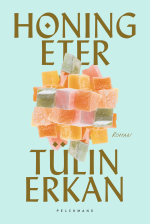
ARRIVALS / GELIȘ (Медолюб)
Translated from
Dutch
to
Ukrainian
by Olga Bondarenko
Written in Dutch by Tülin Erkan
6 minutes read
Frankly, my dear, I don’t give a damn.
Translated from
Czech
to
Dutch
by Annette Manni
Written in Czech by Lucie Faulerová
8 minutes read
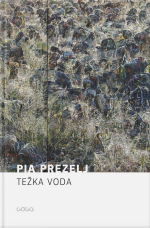
Teška voda
Translated from
Slovenian
to
Serbian
by Jelena Ivanišević
Written in Slovenian by Pia Prezelj
9 minutes read