View all filters
Clear








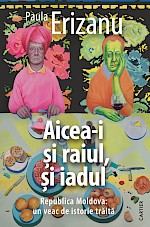
Hej, devojke (It’s Both Heaven and Hell Here. Moldova: a Century of Lived History)
Translated from
Romanian
to
Serbian
by Mirela Belada
Written in Romanian by Paula Erizanu
7 minutes read
Хей, момичета (It’s Both Heaven and Hell Here. Moldova: a Century of Lived History)
Translated from
Romanian
to
Bulgarian
by Valentina Zlateva
Written in Romanian by Paula Erizanu
7 minutes read
Empalhar um corpo
Translated from
Dutch
to
Portugese
by Lut Caenen
Written in Dutch by Nikki Dekker
9 minutes read
Manobra
Translated from
Dutch
to
Portugese
by Xénon Cruz
Written in Dutch by Simone Atangana Bekono
8 minutes read
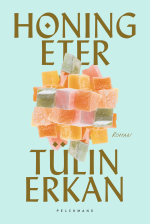
ARRIVALS / GELIȘ (Przyloty)
Translated from
Dutch
to
Polish
by Anna Opara
Written in Dutch by Tülin Erkan
6 minutes read
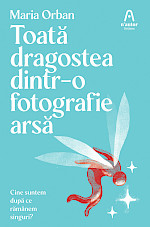
Toată dragostea dintr-o fotografie arsă (All the Love in a Burnt Photograph)
Toată dragostea dintr-o fotografie arsă pune reflectorul pe relația a trei generații de femei, care înțeleg lumea în moduri aproape incompatibile unul cu celălalt. Familia și echilibrul ei precar sunt zdruncinate de internarea bruscă a celei mai vârstnice dintre ele. Fricile paralizante capătă contur în apropierea morții iminente. Mecanismele lor de apărare, mai ales felurile în care fiecare parazitează viața celeilalte, în numele datoriei și al iubirii materne, ies la suprafață. Iar Leia, aflată la mijlocul distanței este cea care înregistrează schimbările, cea care cerne realitatea, se străduiește să o transcrie și să-i dea un sens, cea care își negociază constant identitatea, în încercarea de a descoperi cine rămâne în afara rolurilor de fiică și de mamă și de a găsi un drum spre liman. (Eli Bădică, editoare)
Written in Romanian by Maria Orban
9 minutes read
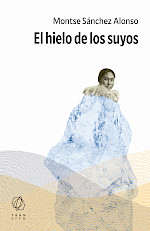
Na ledu svojih ljudi
Translated from
Spanish
to
Slovenian
by Mojca Petaros
Written in Spanish by Montserrat Sánchez
7 minutes read

Slangenbezwering op zwoele avonden
Translated from
Polish
to
Dutch
by Małgosia Briefjes
Written in Polish by Małgorzata Żarów
11 minutes read
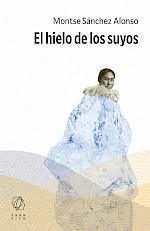
Thuis in het ijs
Translated from
Spanish
to
Dutch
by Lies Doms
Written in Spanish by Montserrat Sánchez
9 minutes read
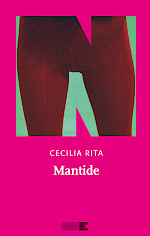
Bogomoljka
Mia ima dvadeset sedam godina i svakoga dana mora da gleda ono najgore što svet nudi: radi kao moderator sadržaja i posao joj je da cenzuriše najnasilnije snimke koji kruže internetom. Od kada je njen bivši momak nastradao od strujnog udara u kadi, ona živi u nekoj vrsti začaranog kruga nihilizma i kajanja, obamrla od posla koji obavlja i psihoaktivnih lekova, a tek povremeno je prene prijateljstvo sa Denisom i Mirijam. Njena prošlost sa Rubenom je zbirka surovih uspomena, poput onih slika koje mora da uklanja sa društvenih mreža, ali ne može da ih obriše iz sopstvenog sećanja: njegove emotivne ucene, u kojima je optužuje da ga proždire kao bogomoljka, i njen strah da ga napusti. Međutim, kada naiđe na Sofijin video, devojke koja liči na nju, a koja se baca sa mosta, Mia uspeva da se trgne i kreće njenim tragom: upoznaje njenog dečka, Lapa, muzičara u usponu, i prijateljicu Margo, eskort-damu i igračicu u noćnom klubu; oboma dopušta da je zavedu u jednom vrtlogu odraza, sve dok Mia, sa Mirijam i Margo, ne odluči da sebi pruži alternativu, koja se ogleda u sestrinskom paktu van svih okvira, a koji će uspeti da razbije oklop njenog bola. „Bogomoljka” prati put jedne mlade žene koja prkosi gubitku i samoći, pobunivši se protiv iskonskog osećaja ženske krivice kako bi zakoračila napred, ka svetlosti svoje buduće verzije.
Translated from
Italian
to
Serbian
by Ivana Lešević
Written in Italian by Cecilia Rita
8 minutes read
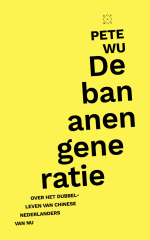
De bananengeneratie: over het dubbelleven van Chinese Nederlanders van nu
Pete Wu is een banaan. Althans, zo noemt zijn moeder hem liefkozend: ‘geel van buiten en wit vanbinnen’. Hij is een tweede generatie Chinese Nederlander, die midden in de Nederlandse samenleving staat. Toch wordt Pete ongewild herinnerd aan zijn anders-zijn. Door mensen die hem vragen waar hij nou écht vandaan komt. Of anders wel door de gemiddelde carnavalshit, Meneer Cheung uit Ik hou van Holland, of Gordon: ‘Wat ga je zingen? Nummer 39 met rijst?’ In De bananengeneratie gaat Pete in gesprek met ‘mede bananen’ die net als hij worstelen met hun Chinese Nederlanderschap. Hij praat met hen over generatieclashes, daten, discriminatie en eenzaamheid. En over het gevecht om jezelf te mogen zijn – bevrijd van clichés.
Written in Dutch by Pete Wu
9 minutes read
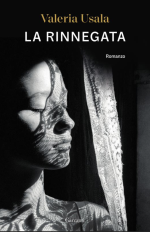
La rinnegata
A story of three generations of women, their courage and search for independence in the face of superstition and prejudice, in the spirit of Natalia Ginzburg and Elena Ferrante. In this striking debut, based on a true story, Valeria Usala bears witness to an age-old story of violence against women and takes us into the heart of rural Sardinia, where superstitions and cruelty coexist with the joys and companionship of a tight-knit community.
Teresa runs a shop and a tavern. But not even the family she has created with the man she loves can protect her from the malicious gossip of jealous locals, who are threatened by her independence. Her own mother, Maria, was made an outcast, and now Teresa is in turn forsaken by the villagers. Will she pay for her success with her life? Is she like a character in Greek tragedy, whose destiny is inevitable? A story that gives voice to the forgotten women of Sardinia—and to the one of women everywhere.
Written in Italian by Valeria Usala
10 minutes read
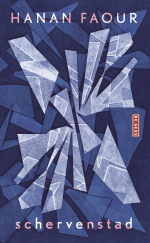
schervenstad
Nadine en haar tweelingbroer Isaac zijn op hun veertiende door het stukgelopen huwelijk van hun ouders ook van elkaar gescheiden. Isaac vertrekt met hun Libanese vader naar diens geboorteland, terwijl Nadine met hun Nederlandse moeder achterblijft in Noord-Limburg. Als de wereld jaren later wordt opgeschrikt door een explosie in de haven van Beiroet, weet Nadine één ding zeker: ze moet erheen.
Written in Dutch by Hanan Faour
9 minutes read
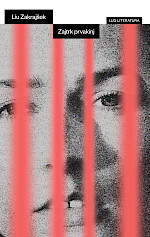
Doručak šampionki
Doručak šampionki je debitantski roman Liu Zakrajšek, u kojem s protagonistkinjom odlazimo na tri različita studentska radna mesta: bioskop, kulturni centar i knjižaru. Kada ne pohađa predavanja ili ne radi, provodi vreme u maloj i zagušljivoj tavanskoj sobici stana koji deli sa impulsivnom i haotičnom Vesnom i organizovanom i ozbiljnom Pijom. Njihova dinamika se manje-više dramatično gradi i urušava kroz poglavlja, a sve se to dešava u pozadini širih egzistencijalnih kriza koje doživljava mlađa generacija koja će tek ući na tržište rada – od nesigurnosti i preteranih cena nekretnina do sve ozbiljnije klasne segregacije, usamljenosti i lošeg mentalnog zdravlja. Mlade junakinje u romanu, koje bi trebalo da razmišljaju o svojim snovima i budućnosti, najviše se brinu oko toga kako da zarade za sledeću kiriju. Roman, koji je inspiraciju za naslov pozajmio od Kurta Vonegata, suptilna je satira modernog vremena koja nam je preko potrebna.
Translated from
Slovenian
to
Serbian
by Jelena Ivanišević
Written in Slovenian by Liu Zakrajšek
9 minutes read
Residence
Translated from
Italian
to
Romanian
by Nicoleta Iolanda Rus
Written in Italian by Maurizio Amendola
10 minutes read
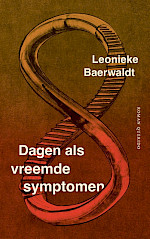
Giorni come strani sintomi
Sisifo vaga per l’inferno spingendo una sedia a rotelle vuota e non sa di preciso che cosa ci faccia lì, eccetto che deve passare a prendere sua figlia – affetta da molteplici disabilità – dal centro diurno. Una missione che fallisce di continuo, e al termine della quale ritorna delusa nel fatiscente appartamento al piano terra di uno stravagante condominio. Quando la sua padrona di casa, apparentemente dal nulla, si mette a conversare con lei, Sisifo inizia di colpo a ricordare.
Giorni come strani sintomi è una lotta contro il tedio, un’indagine sui confini della maternità, della speranza e della disperazione, della vita e della morte.
Translated from
Dutch
to
Italian
by Jessica Rostro Benigno
Written in Dutch by Leonieke Baerwaldt
9 minutes read
Depresivní Esmeralda
Translated from
Portugese
to
Czech
by Štěpánka Huláková
Written in Portugese by Luis Brito
6 minutes read
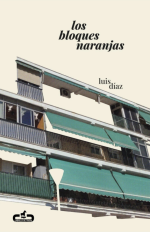
Oranje blokken
Translated from
Spanish
to
Dutch
by Lies Doms
Written in Spanish by Luis Díaz
9 minutes read
Важка вода
Translated from
Slovenian
to
Ukrainian
by Yuliia Stankevych
Written in Slovenian by Pia Prezelj
8 minutes read
Calcário
Translated from
Dutch
to
Portugese
by Lut Caenen
Written in Dutch by Lisa Weeda
8 minutes read