View all filters
Clear








V té vesnici žijeme odpradávna
Translated from
Spanish
to
Czech
by Martina Kutková
Written in Spanish by Aixa De la Cruz Regúlez
4 minutes read
місто з уламків скла / розбите місто
Translated from
Dutch
to
Ukrainian
by Larysa Dobra
Written in Dutch by Hanan Faour
7 minutes read

Mali grehi
Družba prijateljev se oblikuje po incidentu na koncertu italijanske pop dive Verde v Berlinu, na katerem Bolgarka Nora omedli zaradi prevelikega odmerka psihostimulansov. Prisotni v loži – grški podjetnik Adrian in švedski fotograf Johan ter par iz Izraela, terapevt Sol in umetnica Lilit – pomagajo oškodovanki. Šesterica se postopoma zbliža in se začne srečevati v različnih krajih po Evropi. Za vsakega od njih se zdi, da je uspešen in srečen, vendar globoko v sebi nosi travme iz preteklosti, ki v vsakem od njih rodijo kakšen mali greh – zasvojenost z alkoholom ali psihostimulansi, nezvestobo, laži, manipulacije in domišljavost.
Nora se ogreje za Johana, Adrian in Sol pa se odločita zgraditi sodoben retreat center na otoku Kreta. Družba se tam zbere na počitnicah. Med skupinsko terapijo vsak deli svoj »mali« greh. Lilit izjavi, da je prešuštvovala z Adrianom. Pretresen zaradi slišanega se Sol podvrže starodavnemu ritualu preskakovanja bika, ki simbolizira božjo sodbo. Bik ga poškoduje.
Čez nekaj časa se vsak poskuša spopasti s posledicami tistega dne. Johan neha piti. Lilit in Adrian živita skupaj v San Franciscu. Nora zdravi svojo odvisnost, Sol pa je invalid. Nekega dne prejme pošiljko od Lilit – svoje stare terapevtske zapiske. V njih piše, da je Lilit verjetno plod krvoskrunstva. Sol spozna, da je na skupinski terapiji lagala, da bi ga kaznovala za njegovo kruto obsodbo. Njen »mali« greh je bila laž in ne nezvestoba.
»Paulina Georgieva stavi na kulturni miks, vpeljuje like različnih narodnosti, a ne izpusti bolgarske niti, kajti takšen je sodobni svet, vključno za številne Bolgare. Gre za svet multinacionalk, preprostih selitev in tudi bolgarskih pričakovanj, da zaživimo v velikem merilu, kar se odraža tudi v naši domači literaturi.« prof. Amelija Ličeva, portal Kultura
»Verjamem, da roman Mali grehi zavzema v bolgarski literaturi pozabljeno nišo – združuje psihološko globino z globalnim obzorjem ter vabi k sočutju. Liki v romanu imajo zgrajene polnokrvne, večdimenzionalne in kompleksne značaje, ki v sebi skrivajo neprehodna območja, neznana celo njim samim.« dr. Kamelija Spasova, Literaturen vestni
Translated from
Bulgarian
to
Slovenian
by Maja Kovač
Written in Bulgarian by Paulina Georgieva
7 minutes read
Familia Miralles
Translated from
Spanish
to
Romanian
by Ilinca Gângă
Written in Spanish by Kike Cherta
9 minutes read
Jurnalul unei portugheze în Angola
Translated from
Portugese
to
Romanian
by Iolanda Vasile
Written in Portugese by Patrícia Patriarca
8 minutes read
Invizibili
Invizibili este un roman despre neacceptarea celor diferiți, în care copiii își imaginează propriii părinți. O tânără care a crescut într-un orfelinat încearcă să-şi depășească traumele copilăriei. După o serie de despărțiri, o întâlnește pe Dara – o fetiță abandonată, în care se recunoaște. Se atașează de ea și decide cu orice preț să găsească o cale de a-i oferi viața pe care ea însăși nu a avut-o niciodată. Este un roman despre oamenii de la marginea societății. Diferite fire narative se împletesc pentru a spune o poveste comună: cea a invizibilității.
„Un roman despre oamenii de la marginea societății..., care te ia de gât.” Georgi Gospodinov, autorul romanelor Fizica tristeții și Refugiul timpului
„Puțini sunt cei care pot reda fără niciun fel de pretenție viața celor care au trecut printr-un orfelinat, mai ales în perioada de tranziție, și destinele lor ulterioare. De fapt, mai general spus, fiecare dintre noi este un copil abandonat, dar cei despre care povestește autoarea sunt cu adevărat invizibili pe harta socială. Natalia Deleva înlătură de pe chipurile lor toate clișeele cu care i-am pângărit. O carte dificilă, importantă, cu adevărat importantă.” Marin Bodakov, ziarul Cultura
“The narrator in Four Minutes (Invizibili) collates excerpts from news articles, listens to her own (internal) voice, to the stories of people she meets on the way, looks into the past, confronts traumas and, pulling the reader out of their comfort zone, asks important questions about our world, about life in exile, about people who are excluded, abandoned, homeless. A beautiful, intricately woven and exciting book.” Wioletta Greg, author of Swallowing Mercury
Translated from
Bulgarian
to
Romanian
by Maria Andrei
Written in Bulgarian by Nataliya Deleva
11 minutes read
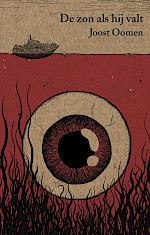
Soarele, când coboară (fragment)
Translated from
Dutch
to
Romanian
by Cătălina Oșlobanu
Written in Dutch by Joost Oomen
8 minutes read
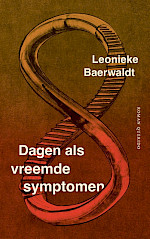
Dni jako dziwne symptomy
Syzyfka błąka się po piekle z pustym wózkiem inwalidzkim, nie wiedząc, czego właściwie szuka. Pamięta tylko, że musi odebrać niepełnosprawną córkę z domu pobytu dziennego. Misja ta za każdym razem kończy się niepowodzeniem, po którym rozczarowana Syzyfka wraca do swojego zaniedbanego podziemnego mieszkania w osobliwym kompleksie mieszkaniowym. Gdy wynajmująca je kobieta na pozór bez przyczyny nawiązuję z nią rozmowę, Syzyfka nagle zaczyna coś sobie przypominać.
Translated from
Dutch
to
Polish
by Anna Opara
Written in Dutch by Leonieke Baerwaldt
7 minutes read
Como nos tornaremos menos
Translated from
Dutch
to
Portugese
by Pedro Viegas
Written in Dutch by Rebekka de Wit
9 minutes read

Cambiar de idea
Written in Spanish by Aixa De la Cruz Regúlez
7 minutes read
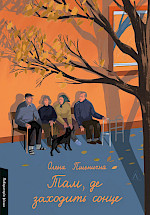
Там, където залязва слънцето
Мислила ли си е някога бившата учителка по украински език, 72-годишната Вира Тиха, че в края на своя , макар не лек, но напълно щастлив живот, ще се озове в Дом за възрастни хора? Разбира се, че не.
Още по-малко си е представяла, че там ще я заведе единственият ѝ и толкова обичан син. Госпожа Вира беше убедена, че няма да остане тук задълго. Просто е лятото на 2022 година и е война, синът ѝ Толя работи като доброволец денонощно, снаха ѝ е принудена да се евакуира с децата в чужбина, а селото в Киевска област, където живеят, бавно се съвзема след бойните действия и окупацията. За нея, с нейното слабо сърце, за да не безпокои сина ѝ, може би наистина е по-добре засега да остане тук, по-далеч от фронтовата линия, в относително спокойното малко селце, където войната съществува сякаш само по телевизията, в компанията, така да се каже, на връстници. Макар че тези „връстници” отдавна са прехвърлили седемдесетте.
Вместо общителни и добронамерени старци, Вира Тиха попада в свят на наранени, хапливи, саркастични старчоци, които ден след ден просто наблюдават как животът им бавно се претъркулява отвъд небесния хоризонт.
Там, където залязва слънцето е топъл и разтърсващ разказ за живота в неговия залез. Роман, който повдига важни и болезнени теми чрез историите на своите герои и чрез сложните им взаимоотношения, най-вече с децата им. Текст с терапевтично въздействие, от което всички ние толкова се нуждаем в тези трудни времена. Както казва самата авторка, това е книга-пластир за наранено сърце.
Translated from
Ukrainian
to
Bulgarian
by Dayana Gocova
Written in Ukrainian by Olena Pshenychna
8 minutes read
Ja nisam bila, ali sada jesam. Osetljiva na svaku promenu vremena.
Written in Serbian by Marija Pavlović
8 minutes read
Малки грехове
Приятелска компания се сформира след инцидент на концерт на италианската поп дива Верда в Берлин, на който българката Нора припада заради прием на свръхдоза психостимуланти. Присъстващите в ложата – гръцкият предприемач Адриан и фотографът швед Йохан, както и двойката от Израел - терапевтът Сол и художничката Лилит, помагат на пострадалата. Шестимата постепенно се сближават и започват да се срещат на различни места из Европа. Всеки от тях изглежда успешен и щастлив човек, но дълбоко в себе си носи травмите от миналото. Тези травми пораждат у всеки „малък грях“ – пристрастеност към алкохол, психостумуланти, изневяра, лъжа, манипулации и самонадеяност.
Нора се увлича по Йохан, а Адриан и Сол решават да изградят модерен ритрийт център на остров Крит. Компанията се събира там на почивка. По време на групова терапия, всеки споделя своя „малък“ грях. Лилит заявява, че е прелюбодействала с Адриан. Разтърсен от чутото, Сол се подлага на древния ритуал на прескачане на бик, който символизира Божия съд. Бикът го наранява.
След време всеки един се опитва да се справи с пораженията от този ден. Йохан вече не пие. Лилит и Адриан живеят заедно в Сан Франциско. Нора лекува зависимостта си, а Сол е инвалид. Един ден той получава пратка от Лилит – негови стари терапевтични записки. В тях пише, че Лилит вероятно е рожба на кръвосмешение. Разбира, че на груповата сесия тя е излъгала, за да го накаже за жестоката му преценка. Нейният „малък“ грях е бил лъжата, а не изневярата.
Written in Bulgarian by Paulina Georgieva
7 minutes read
De verschijning
Translated from
Romanian
to
Dutch
by Charlotte van Rooden
Written in Romanian by Alexandru Potcoavă
7 minutes read
Szczęśliwe zakończenie
Translated from
Serbian
to
Polish
by Aleksandra Wojtaszek
Written in Serbian by Jasna Dimitrijević
7 minutes read
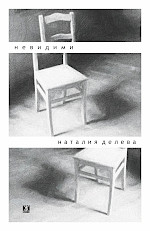
Nevidni
Nevidni je roman o zavračanju drugačnih, v katerem otroci predstavljajo svoje starše. Mlada ženska, odrasla v Domu za osirotele otroke, poskuša premagati svoje travme iz otroštva. Po vrsti ločitev sreča Daro, siroto, v kateri prepozna sebe kot otroka. Naveže se nanjo in se odloči, da bo za vsako ceno našla način, da ji bo omogočila življenje, kakršnega sama nikoli ni bila deležna. Gre za roman o ljudeh z družbenega roba. V njem se prepletajo različne pripovedne linije, ki vse pripovedujejo skupno zgodbo o nevidnosti.
»Roman o ljudeh z družbenega roba, ki vas pusti brez besed.« Georgi Gospodinov, avtor romanov Fizika žalosti in Časovno zaklonišče
»Le malokdo je sposoben brez kančka pretencioznosti poustvariti življenja tistih, ki so izkusili dom za zapuščene otroke, še posebej v času prehoda, njihove nadaljnje usode. Pravzaprav je, bolj splošno gledano, vsak od nas zapuščen otrok, toda tisti, o katerih pripoveduje avtorica, so resnično nevidni na družbenem zemljevidu. Natalija Deleva jim z obrazov odstrani vse klišeje, s katerimi smo jih obtežili. Težka, pomembna, resnično pomembna knjiga.« Marin Bodakov, Kultura
“The narrator in Four Minutes (Невидими) collates excerpts from news articles, listens to her own (internal) voice, to the stories of people she meets on the way, looks into the past, confronts traumas and, pulling the reader out of their comfort zone, asks important questions about our world, about life in exile, about people who are excluded, abandoned, homeless. A beautiful, intricately woven and exciting book.” Wioletta Greg, author of Swallowing Mercury
Translated from
Bulgarian
to
Slovenian
by Maja Kovač
Written in Bulgarian by Nataliya Deleva
10 minutes read
Siempre hemos vivido en este pueblo
Written in Spanish by Aixa De la Cruz Regúlez
5 minutes read
Gerico
Written in Italian by Fabrizio Allione
8 minutes read
Ai camera ta, în sfârșit
Translated from
Portugese
to
Romanian
by Simina Popa
Written in Portugese by João Valente
11 minutes read
Hilos
Translated from
Dutch
to
Spanish
by Carmen Clavero Fernández
Written in Dutch by Hannah Roels
8 minutes read