View all filters
Clear

Should I Stay or Should I Go
Take a journey through the tension between staying and leaving, journeys of personal growth and travelogues
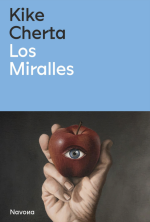
Los Miralles
La primera novela de Kike Cherta parte de una premisa tan sugerente como original. Los Miralles, una atípica familia valenciana, están convencidos de que el manzano que crece en el patio de su alquería es de origen divino. De hecho, creen que es el mismísimo Árbol del Bien y del Mal que aparece en la Biblia, el mismo del que comieron Adán y Eva embaucados por una serpiente parlanchina. Desde hace generaciones, tienen una única misión: vigilarlo noche y día para que nadie vuelva a probar jamás del fruto prohibido.
En este sorprendente debut, Kike Cherta indaga en las paradojas propias de cualquier tradición, en las siempre complejas dinámicas familiares y en la culpa asociada a las raíces. Envuelta en un aura mágica que casi no deja diferencias lo que es real de lo que es milagro, el libro se nutre de un punto medio ideal entre trascendencia y humor. Religión, familia e identidad se mezclan en una suerte de comedia negra profanamente bíblica.
Written in Spanish by Kike Cherta
9 minutes read
Bollettino dell’ultimo giorno
Translated from
Dutch
to
Italian
by Antonio De Sortis
Written in Dutch by Lotte Lentes
8 minutes read
Il sole quando cade
Translated from
Dutch
to
Italian
by Antonio De Sortis
Written in Dutch by Joost Oomen
8 minutes read
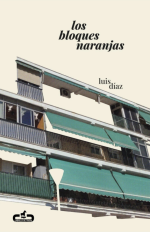
Los bloques naranjas
Una ventana a la amistad masculina: la corporalidad y los afectos truncados, torpes, subterráneos, que se dan en una pandilla de chicos de barrio durante los 2000.
Written in Spanish by Luis Díaz
8 minutes read
Eu nu mai locuiesc în casă, dar casa încă mai locuiește în mine
Translated from
Dutch
to
Romanian
by Cătălina Oșlobanu
Written in Dutch by Maud Vanhauwaert
7 minutes read
Een wildvreemde stad
Translated from
Czech
to
Dutch
by Annette Manni
Written in Czech by Anna Háblová
11 minutes read
Caseggiati arancioni
Translated from
Spanish
to
Italian
by Martino Gandi
Written in Spanish by Luis Díaz
8 minutes read
Težka voda
V svetu, ki ga naseljujejo Ida, Marta, Tone in Lojze, na vrtovih gnijejo paradižniki, na nočnih omaricah ždijo nagačeni zajci, krave pa je treba slej kot prej ustreliti med oči. Nič čudnega, če na blatni zemlji komu usodno spodrsne ali pa mu glavo spešta kakšno drevo; Gospod vendarle daje in jemlje, povrh vsega pa še odpušča.
V romanu Težka voda, svojstveni anatomiji krivde, ki prelamlja s tradicijo slovenske povesti, se drobci iz življenja starejše protagonistke Ide med posledicami zamolčane preteklosti in neizživete prihodnosti postopoma sestavljajo v okrušeno celoto. Ta v ekspresivnem, dovršenem slogu razkriva predvsem bridko resnico o prepletenosti življenj znotraj manjše vaške skupnosti, kjer se vse zdi na dlani, pa vendar skrivnost rojeva nove skrivnosti.
Written in Slovenian by Pia Prezelj
9 minutes read
Doodsmeisje
Translated from
Czech
to
Dutch
by Annette Manni
Written in Czech by Lucie Faulerová
11 minutes read
Cestou domů
Translated from
Italian
to
Czech
by Monika Štefková
Written in Italian by Fabrizio Allione
7 minutes read
Deník jedné Portugalky v Angole
Translated from
Portugese
to
Czech
by Štěpánka Huláková
Written in Portugese by Patrícia Patriarca
7 minutes read
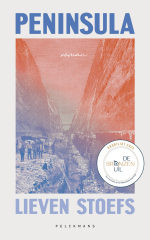
Korytarz (Peninsula)
Translated from
Dutch
to
Polish
by Anna Opara
Written in Dutch by Lieven Stoefs
7 minutes read
Tuje mesto
Translated from
Czech
to
Slovenian
by Vesna Dragar
Written in Czech by Anna Háblová
5 minutes read
Upřímně, miláčku, je mi to fuk
Written in Czech by Lucie Faulerová
7 minutes read
De panda's van Ueno
Translated from
Italian
to
Dutch
by Sandra Verhulst
Written in Italian by Arianna Giorgia Bonazzi
14 minutes read
Szumy i piski
Translated from
Romanian
to
Polish
by Olga Bartosiewicz-Nikolaev
Written in Romanian by Lavinia Braniște
8 minutes read
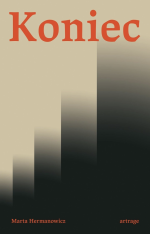
In The End (Koniec)
Metaphysical and blasphemous novel about the tragedy of war that never meets a clean end with a peace treaty. The war goes on, residing within its victims who carry it from one generation to the next.
Malwina, an exceptionally sensitive girl, experiences her grandmother’s wartime memories in her dreams. This makes her exist in two parallel realities at once: the 1940s Eastern borderlands and Siberia along the 1990s Poland. Those realities seep and bleed through one another, making Malwina a catcher of her survivor grandmother’s dreams, or perhaps a dybbuk who gives voice to the dead. To Malwina, the war persists, haunting her day and night alike. Poignant and piercing, Koniec is an impressively well-crafted prose.
Written in Polish by Marta Hermanowicz
10 minutes read
Automobil ze starého Řecka
Written in Czech by Ondrej Macl
8 minutes read
Ta przeżuta krew
Translated from
Italian
to
Polish
by Amina Niepsuj-Wood
Written in Italian by Francesco Aloia
8 minutes read
Живоплоти
Translated from
Polish
to
Ukranian
by Julia Stakhivska
Written in Polish by Maria Karpińska
9 minutes read