View all filters
Clear








Notas sobre a vida de Frances Donnel
Translated from
Spanish
to
Portugese
by Miguel Martins
Written in Spanish by Adriana Murad Konings
6 minutes read
De panda's van Ueno
Translated from
Italian
to
Dutch
by Sandra Verhulst
Written in Italian by Arianna Giorgia Bonazzi
14 minutes read
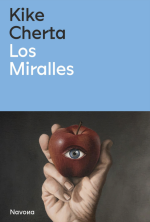
Miraljesovi
Translated from
Spanish
to
Serbian
by Irena Selaković
Written in Spanish by Kike Cherta
8 minutes read
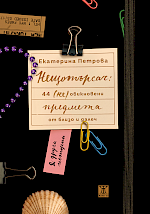
Dingenzoeker: 44 (on)gewone objecten van dichtbij en veraf
Verhalen over verrassende vondsten uit de hele wereld: laarzen uit Bhutan, stoeptegels uit Barcelona naar ontwerp van Gaudí, wijnglazen uit Baskenland, een broche uit Sarajevo, espadrilles uit de Pyreneeën, scarabeeën uit het oude Egypte, een doos met afval uit New York, een kaart van Oost-Berlijn, en nog veel meer. Ekaterina Petrova vertelt over de plaatsen waar ze vandaan komen en geeft ze een bredere culturele, historische en antropologische context. Haar persoonlijke ervaringen als reiziger, vertaler en non-fictieschrijver klinken er steevast in door. De vormgeving, door een van Bulgarijes opmerkelijkste hedendaagse illustratoren, geeft op prachtige en humoristische wijze de sfeer van de teksten weer. Een boek om te lezen en te herlezen, om te hebben en om weg te geven.
Translated from
Bulgarian
to
Dutch
by Justin Van Heddegem
Written in Bulgarian by Ekaterina Petrova
9 minutes read
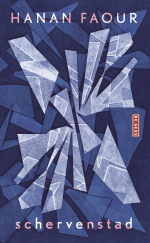
ciudad fragmentada
Translated from
Dutch
to
Spanish
by Beatriz Jiménez
Written in Dutch by Hanan Faour
9 minutes read
Însemnări pe marginea vieții lui Frances Donnell
Translated from
Spanish
to
Romanian
by Silvia Alexandra Ștefan
Written in Spanish by Adriana Murad Konings
6 minutes read
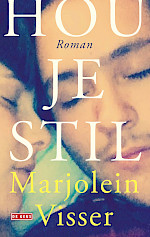
Resta in silenzio
“La scomparsa di uno di noi non fa notizia, perché non è una notizia. Il resto del mondo a te non pensa – né quando sniffano la tua cocaina, né quando indossano i vestiti che hai creato, né quando ti cacciano dal loro Paese.”
Questa è la storia di Alex, un ragazzo introverso fuggito dal Messico e assunto per un tirocinio in un’università olandese, che prova a salvare il salvabile. Per vivere, deve parlare; per sopravvivere non deve farlo.
“Resta in silenzio” è un romanzo avvincente su confini chiusi e sul coraggio sconfinato, sulla forza della lingua e sulla torbida differenza fra carnefici e vittime.
Tutti i personaggi di questo libro sono fittizi. I fatti narrati no.
Il libro è basato su anni di ricerche e sulle testimonianze di persone che hanno vissuto l’esperienza di rifugiati o esiliati, persone impegnate nel diritto d’asilo, docenti di varie università (messicane), psicologi del trauma, attivisti per i diritti umani, giornalisti, clandestini, e vittime e carnefici dei cartelli e di bande criminali. La storia fa luce sull’impatto dei governi (internazionali) sugli individui, così come sulla violenza legata al narcotraffico e agli abusi sessuali. Quest’avvincente racconto svela anche la complessa relazione tra i “Paesi della droga” come il Messico e l’Europa: un continente che sta innalzando sempre più confini ai richiedenti asilo e che è allo stesso tempo un crocevia e grande consumatore della cocaina.
Translated from
Dutch
to
Italian
by Jessica Rostro Benigno
Written in Dutch by Marjolein Visser
9 minutes read
O zumbido
Translated from
Romanian
to
Portugese
by Cristina Visan
Written in Romanian by Lavinia Braniște
8 minutes read
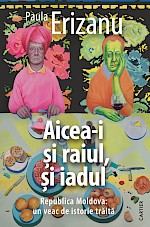
Hele, holky (It’s Both Heaven and Hell Here. Moldova: a Century of Lived History)
Translated from
Romanian
to
Czech
by Klára Našincová
Written in Romanian by Paula Erizanu
6 minutes read
Alameda Zorilor: el comienzo
Translated from
Romanian
to
Spanish
by Corina Oproae
Written in Romanian by Andrei Crăciun
9 minutes read
Lotosovi cvetovi koji se zatvaraju (kada se u njih uđe) (Put percepcionera)
„U ruci držite roman koji obiluje licima koja su delimično nestala, delimično (ne)stvarna, na marginama istinitosti.
U hostelu Preko granice moguće je veđto spojeno i ujedinjeno sa nemogućim, ipak sve je izuzetno životno i materijalno, neknjiško. Lekićeva jezička izbrušenost i detaljistički pristup rubnim emocionalnim stanjima navodi preko granice očekivanja.“
Written in Serbian by Nikola Lekić
6 minutes read
Progon jagnjadi
Istorijska fikcija „Progon jagnjadi” polazi od posledica masakra počinjenog nad jednom zajednicom na zapadu Rumunije, neposredno nakon potpisivanja Drugog bečkog arbitražnog sporazuma 1940. godine. Početak Drugog svetskog rata zatiče Domniku i braću Romija i Mikuluša u dvorcu porodice Teleki, gde rade kao sluge. Čim saznaju da je njihovo selo napadnuto, kreću na put da spasu majku. Međutim, jedini način da pobegnu od naoružanih hortijevskih/hortijevih trupa jeste mreža podzemnih tunela iskopanih između utvrđenja Transilvanije (na početku knjige nalazi se mapa ove mreže), u kojoj rumunske izbeglice traže svoje porodice i put ka slobodi. U Podzemlju dolazi do raznih sukoba, jer nisu svi prolazi završeni, ponestaje zaliha u ostavama, a jedan špijun poslat od strane Mađara unutra unosi krišom džak sa dinamitom. Istovremeno sa dramom izbeglica prepliće se i ljubavna priča između Romija i Domnike, koji se razdvajaju jedno od drugog. Domnika ostaje kao talac u jednom zaseoku koji je naseljen grupom ruskih špijuna, dok Romija progone sin grofa Telekija i njegovi vojnici.
„Progon jagnjadi” nije samo napeta priča o putevima i granicama, već i tip romana koji otvara diskusije na teme kao što su izgnanstvo, kolektivno sećanje i prava žena, podstičući nas na kraju da se zapitamo: koju cenu smo spremni da platimo za slobodu i kakvo nasleđe biramo da ostavimo budućim generacijama?
Translated from
Romanian
to
Serbian
by Mirela Belada
Written in Romanian by Irina Georgescu Groza
10 minutes read
Măi, fetelor (It’s Both Heaven and Hell Here. Moldova: a Century of Lived History)
There are few places across Europe which have had the tumultuous story of Moldova in the 20th and 21st centuries. My greatgrandmother, for instance, spent most of her life in the same village while living in four different countries: she was born in the Russian Empire, went to school in Romania, resisted collectivisation and eventually gave in during the Soviet era, and got retired in the independent Republic of Moldova. I share her story in this book, as well as stories of other people with different backgrounds I interviewed, in an effort to create a polyphonic view of Moldova’s recent history. Chronologically, the book starts with the 1903 infamous Chisinau pogrom and it ends with the 2022 refugee crisis caused by the full-scale invasion of Ukraine. Geographically, the stories are rooted in Moldova but they cover the whole world thanks to the processes of migration that characterised all of the communities described in this book — Jewish, Roma, Armenian, Moldovan, Ukrainian, Russian etc. — at different points during history.
Written in Romanian by Paula Erizanu
7 minutes read
Dagboek van een Portugese in Angola
Translated from
Portugese
to
Dutch
by Finne Anthonissen
Written in Portugese by Patrícia Patriarca
8 minutes read
Zawsze mieszkałyśmy w tej wiosce
Translated from
Spanish
to
Polish
by Katarzyna Górska
Written in Spanish by Aixa De la Cruz Regúlez
4 minutes read
ARRIVALS / GELIȘ (Medojed)
Translated from
Dutch
to
Serbian
by Tamara Britka
Written in Dutch by Tülin Erkan
7 minutes read
Urșii panda din Ueno
Translated from
Italian
to
Romanian
by Elena Damaschin
Written in Italian by Arianna Giorgia Bonazzi
12 minutes read
Cathedra of hoe je slagroom maakt
Written in Dutch by Joost Oomen
8 minutes read
Laat het opklaren
Translated from
Spanish
to
Dutch
by Heleen Oomen
Written in Spanish by Matías Candeira
7 minutes read
Doma
Translated from
Dutch
to
Czech
by Blanka Konečná
Written in Dutch by Lisa Weeda
6 minutes read