View all filters
Clear








Bomba, ki je razsvetlila noč v Marãu
Translated from
Portugese
to
Slovenian
by Maruša Fakin
Written in Portugese by Daniela Costa
8 minutes read
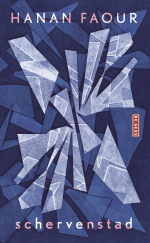
črepinjasto mesto
Translated from
Dutch
to
Slovenian
by Tina Jurman
Written in Dutch by Hanan Faour
7 minutes read

Dnevi kot nenavadni simptomi
Translated from
Dutch
to
Slovenian
by Tina Jurman
Written in Dutch by Leonieke Baerwaldt
7 minutes read
We hebben altijd in dit dorp gewoond
Translated from
Spanish
to
Dutch
by Joep Harmsen
Written in Spanish by Aixa De la Cruz Regúlez
5 minutes read
Fili
Translated from
Dutch
to
Italian
by Francesco Panzeri
Written in Dutch by Hannah Roels
8 minutes read
Dagen als vreemde symptomen
Sisyphus doolt door de hel met een lege rolstoel en weet niet precies wat ze daar te zoeken heeft, behalve dat ze haar dochter, die meervoudig beperkt is, moet ophalen uit het dagcentrum. Een missie die telkens mislukt, waarna ze teleurgesteld terugkeert naar de aftandse benedenwoning van een zonderling appartementencomplex. Wanneer haar hospita schijnbaar uit het niets een praatje met haar aanknoopt, begint ze zich plotseling dingen te herinneren.
Dagen als vreemde symptomen is een gevecht tegen de verveling, een zoektocht naar de grenzen van het moederschap, van hoop en radeloosheid, van leven en dood.
Written in Dutch by Leonieke Baerwaldt
9 minutes read
Sens unic
Translated from
Dutch
to
Romanian
by Cătălina Oșlobanu
Written in Dutch by Carmien Michels
10 minutes read
O nosso pai
Translated from
Dutch
to
Portugese
by Pedro Viegas
Written in Dutch by Lotte Lentes
8 minutes read

ПРИСТИГАЩИ / GELIȘ (Медояди)
Translated from
Dutch
to
Bulgarian
by Elissaveta Manolova Maciel
Written in Dutch by Tülin Erkan
7 minutes read
Tatăl nostru
Translated from
Dutch
to
Romanian
by Cătălina Oșlobanu
Written in Dutch by Lotte Lentes
7 minutes read

24
Written in Serbian by Marija Pavlović
8 minutes read
Aleea Zorilor: începutul
Written in Romanian by Andrei Crăciun
8 minutes read

No digas nada
«La desaparición de uno de los nuestros no alcanza las noticias, porque no es noticia. El resto del planeta no piensa en ti: ni cuando esnifan tu coca, ni cuando visten la ropa que tú confeccionaste, ni cuando te echan de su país».
Esta es la historia de Alex, un chico introvertido que huye de México y ahora realiza unas prácticas en una universidad neerlandesa mientras intenta salvar lo que le queda. Para vivir, tiene que hablar; para sobrevivir, justo lo contrario.
No digas nada es una novela apasionante sobre fronteras cerradas y valentía sin límites, sobre el poder del lenguaje y la difusa distinción entre agresores y víctimas.
Todos los personajes de este libro son ficticios. Los hechos, no.
El libro se basa en años de investigación y en relatos de personas con experiencia en la huida o la expulsión, personas que trabajan en el ámbito del derecho de asilo, profesores de diversas universidades (mexicanas), psicólogos especializados en traumas, activistas de derechos humanos, periodistas, personas en la clandestinidad, y víctimas y autores de la violencia de los cárteles y las bandas. La historia arroja luz sobre el impacto de los gobiernos (internacionales) en las personas, así como sobre la violencia relacionada con las drogas y la violencia sexual. Además, esta conmovedora historia pone de manifiesto la compleja relación entre «países de drogas» como México y Europa: un continente que cierra cada vez más sus fronteras a los solicitantes de asilo y que, al mismo tiempo, es un gran consumidor y transitario de cocaína.
Translated from
Dutch
to
Spanish
by Beatriz Jiménez
Written in Dutch by Marjolein Visser
10 minutes read

Exodus jehňátek
Historická fikce Exodus jehňátek začíná následky masakru provedeného na jednom společenství na západě Rumunska hned po podpisu Vídeňské arbitráže v roce 1940. Začátek druhé světové války zastihne Domnicu a bratry Romiho a Micula na zámku rodiny Teleki, kde slouží. Hned poté, co zjistí, že jejich vesnice byla napadena, se vydají na cestu, aby zachránili svou matku. Jedinou únikovou cestou před ozbrojenými horthyovskými jednotkami je síť podzemních tunelů vyhloubených mezi sedmihradskými pevnostmi (na začátku knihy je mapa této sítě), v nichž rumunští uprchlíci hledají své rodiny a cestu ke svobodě. V podzemí dochází k nejrůznějším střetům, protože ne všechny chodby byly dokončeny, zásoby ve skladištích docházejí a zvěd vyslaný Maďary propašuje dovnitř pytel s dynamitem.
Paralelně s dramatem uprchlíků se rozvíjí i milostný příběh Romiho a Domnicy, kteří se navzájem ztratí. Domnica zůstává jako rukojmí v osadě obývané skupinou ruských špionů, zatímco Romiho pronásleduje syn hraběte Telekiho a jeho vojáci.
Exodus jehňátek není jen svižný příběh o cestách a hranicích, ale také román, který otevírá dialog o tématech, jako jsou exil, kolektivní paměť a práva žen, a na závěr vybízí k otázce: Jakou cenu jsme ochotni zaplatit za svobodu a jaké dědictví se rozhodneme zanechat budoucím generacím?
Translated from
Romanian
to
Czech
by Klára Našincová
Written in Romanian by Irina Georgescu Groza
10 minutes read
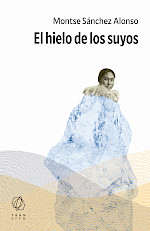
Na ledu svojih ljudi
Translated from
Spanish
to
Slovenian
by Mojca Petaros
Written in Spanish by Montserrat Sánchez
7 minutes read
O arrendamento
Written in Portugese by Daniela Costa
8 minutes read

La sentencia
Dos hombres violentos reciben el encargo de eliminar a un soplón. Mientras vagan por montañas y pueblos remotos, las huellas de su pasado comienzan a cercarlos. En ese trayecto, lo real y lo onírico se entrelazan hasta borrar los límites. Una parábola inquietante ambientada en un mundo áspero, donde el miedo gobierna a los personajes y los empuja hacia su destino.
Translated from
Polish
to
Spanish
by Teresa Benítez
Written in Polish by Ishbel Szatrawska
10 minutes read
Viale Zorilor: L’inizio
Translated from
Romanian
to
Italian
by Maria Alampi
Written in Romanian by Andrei Crăciun
9 minutes read
Led njenih
Translated from
Spanish
to
Serbian
by Irena Selaković
Written in Spanish by Montserrat Sánchez
7 minutes read
ARRIVALS / GELIȘ (Медолюб)
Translated from
Dutch
to
Ukrainian
by Olga Bondarenko
Written in Dutch by Tülin Erkan
6 minutes read