View all filters
Clear








Pandy z parku Ueno
Translated from
Italian
to
Polish
by Mateusz Kłodecki
Written in Italian by Arianna Giorgia Bonazzi
11 minutes read
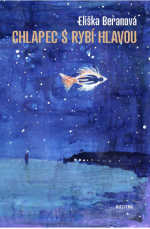
Il ragazzo con la testa di pesce
Translated from
Czech
to
Italian
by Marco Maria Baù
Written in Czech by Eliška Beranová
9 minutes read
Kod kuće
Translated from
Dutch
to
Serbian
by Bojana Budimir
Written in Dutch by Lisa Weeda
6 minutes read
En casa
Translated from
Dutch
to
Spanish
by Daniela Martín Hidalgo
Written in Dutch by Lisa Weeda
7 minutes read
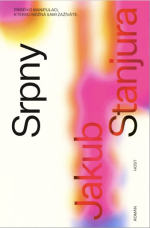
Серпні
Наскільки далеко ми здатні зайти заради іншої людини?
Замість обіймів рідних Даніелу змалку огортала тривога, що повертається з дивною періодичністю — щосерпня. Сонячні дні не приносять їй радості, а лише завдають болю. Коли в університеті вона зустрічає Штєпана, то гадає, що неприємним літнім дням нарешті покладено край. Та дівчина ще не здогадується: від такого минулого не втечеш.
У романі Якуб Станюра доволі незвично працює з темою газлайтингу — особливою формою маніпуляції, яка змушує жертву сумніватися у власній раціональності, пам’яті та сприйнятті реальності загалом.
Translated from
Czech
to
Ukrainian
by Olha-Anastasiia Futoran
Written in Czech by Jakub Stanjura
8 minutes read
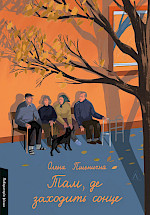
Tam, gdzie słońce zachodzi
Translated from
Ukrainian
to
Polish
by Magdalena Ukrainets
Written in Ukrainian by Olena Pshenychna
7 minutes read
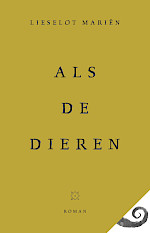
Kao životinje
Translated from
Dutch
to
Serbian
by Jana Živkić
Written in Dutch by Lieselot Mariën
8 minutes read
Cestou domů
Translated from
Italian
to
Czech
by Monika Štefková
Written in Italian by Fabrizio Allione
7 minutes read
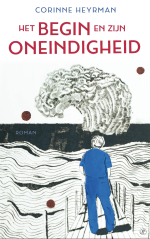
El comienzo infinito
Translated from
Dutch
to
Spanish
by Beatriz Jiménez
Written in Dutch by Corinne Heyrman
10 minutes read
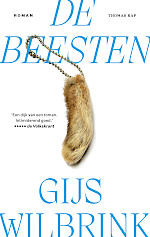
Зверовете
„Не искам да правя внушения, но скромното ми мнение е, че нещата с Том Келер се объркаха, още когато двамата му чичовци го заведоха посред нощ в гората и го накараха да върши неща, с които едно деветгодишно момче не би следвало да се занимава на такава крехка възраст.“
Така започва „Зверовете“, дебютният роман на Хейс Вилбринк. Действието се развива в Ахтерхук, сред рев на мотоциклети, безжалостни бракониери, ферми за норки и съмнителни сделки, които не могат да понесат дневната светлина. В този тайнствен граничен район израства Том Келер, най-младият потомък на най-известното семейство в околността и благословен с талант в мотоциклетния спорт. Когато години по-късно той внезапно изчезва, непокорната му дъщеря тръгва по следите му и се завръща в родното място, което води до драматична среща на семейството.
„Още с първото изречение писателят ни потапя дълбоко в своя свят с майсторство, сравнимо с това на Габриел Гарсия Маркес. Невероятен роман. Изключително добър.“ — de Volkskrant
„В разтърсващия дебют на Хейс Вилбринк читателят буквално усеща как селото го дебне с пронизващ поглед. Роман, който увлича като бурна река.“ — NRC
Translated from
Dutch
to
Bulgarian
by Elissaveta Manolova Maciel
Written in Dutch by Gijs Wilbrink
8 minutes read
А̀вгусти
Докъде сме готови да стигнем заради другия?
Даниела израства в семейство, в което вместо хора я обгръщат страхове. Те се появяват в странна закономерност – всеки август. За нея слънчевите дни не са приятни, а болезнени. Когато след това в университета среща Щепан, мисли, че най-сетне да се спаси от неприятните си лета. Но няма представа, че от това минало не може да се избяга.
В романа Якуб Станюра по оригинален начин повдига важната тема за гаслайтинга – особена форма на манипулация, която насажда съмнения у жертвата относно собствената ѝ рационалност, памет и цялостно възприятие за реалността.
В книгата си Якуб Станюра по съвсем необикновен начин разкрива как функционират отношенията между манипулатора и жертвата му и разобличава механизмите, които въвличат жертвата в патологичната връзка и след това – въпреки всякаква рационалност – я задържат там. — Петра Дворжакова, писателка
За мен гаслайтингът е кошмар. Представата, че ще преживея нещо и някой друг ще ме убеждава в обратното, в това, че си измислям, че полудявам, ми се струва ужасяваща. Чрез романа исках да обърна внимание на тези манипулативни техники. — Якуб Станюра, автор
Translated from
Czech
to
Bulgarian
by Katerina Stoyanova
Written in Czech by Jakub Stanjura
9 minutes read
L’inizio e la sua eternità
Translated from
Dutch
to
Italian
by Jessica Rostro Benigno
Written in Dutch by Corinne Heyrman
9 minutes read
Krimski roman
Translated from
Ukrainian
to
Serbian
by Dragana Vasilijević-Valent
Written in Ukrainian by Anastasia Levkova
8 minutes read
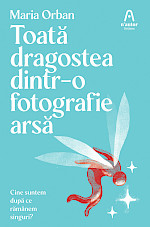
Todo el amor que cabe en un recuerdo
Todo el amor que cabe en un recuerdo pone el foco en la relación entre tres generaciones de mujeres, que entienden el mundo de maneras casi incompatibles entre sí. La familia y su precario equilibrio se ven sacudidos por el ingreso repentino de la más anciana de ellas. Los miedos paralizantes toman forma ante la cercanía de una muerte inminente. Sus mecanismos de defensa, especialmente las formas en que cada una parasita la vida de la otra en nombre del deber y del amor materno, salen a la superficie. Y Leia, situada en el punto intermedio, es quien registra los cambios, quien filtra la realidad, se esfuerza por transcribirla y darle sentido; quien negocia constantemente su identidad, en un intento de descubrir quién queda fuera de los roles de hija y de madre y de encontrar un camino hacia puerto seguro.- Eli Bădică, editor.
Translated from
Romanian
to
Spanish
by Borja Mozo
Written in Romanian by Maria Orban
10 minutes read
Como los animales
En Als de dieren, una mujer indaga en aquello a lo que se tuvo que enfrentar tras dar a luz por primera vez —una experiencia tan oscura que se resiste a la lengua y al significado—. Busca puntos de apoyo en el reino animal y en los antiguos mitos, pero también en la memoria física de su posparto: fotos, correos e, incluso, las listas de la compra de aquella época tan cruda. ¿Cómo se convierte una en madre, mucho después de haber traído a alguien al mundo? ¿Y cómo se pueden volver a juntar los pedazos de una persona después de que se haya desmoronado?
Translated from
Dutch
to
Spanish
by Pablo Martín Sánchez
Written in Dutch by Lieselot Mariën
9 minutes read
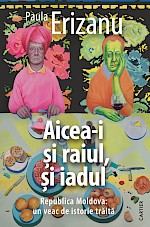
Hej, devojke (It’s Both Heaven and Hell Here. Moldova: a Century of Lived History)
Translated from
Romanian
to
Serbian
by Mirela Belada
Written in Romanian by Paula Erizanu
7 minutes read
Zawsze mieszkałyśmy w tej wiosce
Translated from
Spanish
to
Polish
by Katarzyna Górska
Written in Spanish by Aixa De la Cruz Regúlez
4 minutes read
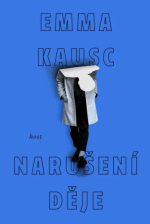
Нарушаване на действието
През седемдесетте години „Човекът къртица“ Уилиам Литъл изкопава в тунела под къщата си изречение, което необратимо ще повлияе на хода на историята на света. „Нашите животи вече не ни изглеждат струват като истории.“ Протагонистката на автофикционалния роман е тридесет и тригодишната Ема, която се опитва да открие чешките си корени, да приеме смъртта на майка си и да намери отговори на въпросите, свързани с изчезването на партньорката си. Историята около нея не се лее – обратното, събира се и разпръсва. Насред разрухата водното равнище катастрофално се покачва, а пожарите се развихрят. Ема си проправя път през руините в опит да се поотдалечи от любовта, в която печели и губи. В разказа ѝ стигаме до края заедно или всеки сам за себе си, историята остава. Също както и въпросът дали разказването може да помогне на човек да се справи с трагичните събития.
Центърът на тежестта в романа е в изследването на възможностите на езика и разказването като инструменти за справяне с болезнени преживявания. Текстът е наситен с колоритни образи – в него се проявяват както уменията на утвърдена поетеса, така и на талантлива писателка. – редакцията на издателство Host
Романът си има собствен ред, ритъм и силно послание. Той дава надежда, че и най-малките илюзии могат да ни спасят от катастрофи. – А2
Translated from
Czech
to
Bulgarian
by Katerina Stoyanova
Written in Czech by Emma Kausc
9 minutes read

De bidsprinkhaan
Translated from
Italian
to
Dutch
by Leine Meeus
Written in Italian by Cecilia Rita
10 minutes read
Clarões
Translated from
Italian
to
Portugese
by Vasco Gato
Written in Italian by Sara Micello
7 minutes read