View all filters
Clear








Fulgerări
Translated from
Italian
to
Romanian
by Elena Damaschin
Written in Italian by Sara Micello
7 minutes read
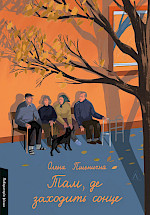
Là, dove tramonta il sole
Translated from
Ukrainian
to
Italian
by Claudia Bettiol
Written in Ukrainian by Olena Pshenychna
10 minutes read
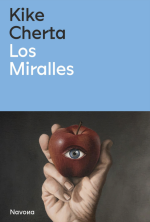
I Miralles
Translated from
Spanish
to
Italian
by Martino Gandi
Written in Spanish by Kike Cherta
9 minutes read
Acquagrave
Translated from
Slovenian
to
Italian
by Giorgia Maurovich
Written in Slovenian by Pia Prezelj
10 minutes read
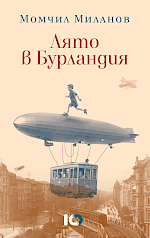
Літо в Бурландії
Восьмирічний Штерн живе в Грейштадті. Його батько дипломат, а мама художниця із замкнутим характером, яка все більше занурюється в себе. Хоча прямо про це й не сказано, але читач сам одразу розуміє, що рідні Штерна розлучаються. З’являється тітка Ема (сестра близького товариша Штернового батька, молодого амбіційного полковника з армії), яка доглядатиме за хлопчиком, поки його батько у відрядженні за кордоном. Він обіцяв повернутися на день народження Штерна перед самим Різдвом, але стає зрозуміло, що дотриматися цієї обіцянки дуже складно, бо вона така ж сама складна, як політична ситуація в країні. Грейштадт підозріло нагадує Софію, але це легко міг би бути будь-якої іншою центрально- / східноєвропейською столицею. Незрозумілим залишається і час описуваних подій –– різні відсилки до 30-, 40-, кінця 80-х років, навіть теперішнього часу, розкидані в різних місцях у тексті. Це створює сноподібну атмосферу deja vu і deja vexu, викликаючи відчуття повтору історії, пам’яті і травми. Роман поєднує паралельні сюжетні лінії й алюзії до таких тем, як популізм, незаконні праворадикальні організації та небезпечний вплив соціальних мереж. Книга починається, на перший погляд, з не пов’язаних подій у Грейштадті. Біля випадкових будинків, розташованих у різних частинах міста, зникає взуття; загадковий аристократ із амбітними планами прибуває своїм дирижаблем. Його летюча резиденція продовжує ширяти над містом, втілюючи таким чином відчуття загрози і тривоги, що оселилися в повітрі. Барон має підступний план, який буде розкрито значно пізніше –– вкрасти мрії жителів Грейштадта.
«Перший роман болгарського романіста і одна з сенсацій літературного сезону, між історією дорослішання та політичною байкою».
Libération, Франція.
«Весело-моторошно-солодко-солоне повернення в дитинство одного дорослого чоловіка».
Крістін Дімітрова, письменник, Літературний вісник.
«Важко визначити, який це жанр, «Літо в Бурландії» містить елементи фентезі, історичного роману, казки, пригодницької історії з демонічним лиходієм. Саме можливість утечі –– цей світлий особистий горизонт –– робить книгу Мілана такою ніжною і легкою до читання. Хоча події відбуваються під важкою тінню дирижабля, що навис над містом, але в них немає нічого страшного чи безнадійного. Це яскравий роман гри та приборкання зла.
Юлія Роне
Translated from
Bulgarian
to
Ukrainian
by Khrystia Vengryniuk
Written in Bulgarian by Momchil Milanov
8 minutes read
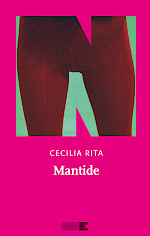
Mantis
Mia tiene veintisiete años y todos los días ve lo peor del mundo: trabaja como moderadora de contenido y debe censurar los videos más violentos que circulan en línea. Desde que su exnovio Ruben murió electrocutado en la bañera, vive en un bucle de nihilismo y remordimiento, anestesiada por ese trabajo y por psicofármacos, animada solo de vez en cuando por la amistad con Dennis y Miriam. El pasado con Ruben es un archivo de recuerdos feroces, como esas imágenes que debe eliminar de la red, pero que no puede borrar de su memoria: sus chantajes emocionales, en los que la acusa de consumirlo como una mantis; y el miedo a abandonarlo. Pero, cuando se topa con el video de Sofia, una chica que se le parece y se tira de un puente, Mia se espabila y se pone tras sus pasos: encuentra a Lapo, su novio, músico en ascenso, y a Margot, su amiga, escort y bailarina en una discoteca, y se deja seducir por ellos, en un molinete de espejos. Hasta que Mia, junto con Miriam y Margot, decide buscar una alternativa, mediante un pacto de sororidad fuera de la norma que logrará romper el caparazón de su dolor.
Mantis narra el recorrido de una joven que se enfrenta a la pérdida y la soledad, rebelándose contra el atávico sentimiento de culpa femenino para lanzarse hacia adelante, hacia la luz de su yo futura.
Translated from
Italian
to
Spanish
by Camila Ramírez
Written in Italian by Cecilia Rita
9 minutes read
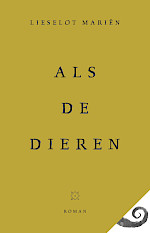
Se gli animali
In Se gli animali una donna cerca di capire cosa le è accaduto dopo la nascita del primo figlio, un’esperienza così buia che la fa scontrare con la lingua e il significato delle parole. Il regno animale, miti antichi, foto, mail e persino liste della spesa stilate durante la gravidanza: è in loro che la donna cerca un appiglio. Come si diventa, anche tempo dopo aver messo al mondo il proprio figlio, comunque madri? E come si riuniscono i cocci di un essere umano, dopo che è andato in frantumi?
Translated from
Dutch
to
Italian
by Matilde Soliani
Written in Dutch by Lieselot Mariën
9 minutes read

Brooklyn-Barakaldo
¿Guardar silencio y ser cómplice? ¿O acudir a la justicia y temer venganza?
Mateo vuelve a la casa familiar en Madrid después de haber sido despedido del estudio de arquitectura en el que trabajaba en Barcelona. Cuando por azar encuentra una pistola entre las pertenencias de Juan, su padre, sospecha que este tuvo relación con un atentado de ETA ocurrido hace veinte años en el barrio. En paralelo, el lector conocerá la historia de Malen, que, en el 2000, planificó el asesinato de un juez en el mismo barrio de Juan y Mateo, pero cuya ejecución tuvo un desenlace inesperado. La investigación de Mateo por conocer la verdad le llevará a desentrañar secretos ocultos que podrían desmontar sin remedio los pilares de su vida y de las personas que quiere.
Basándose en un atentado real de hace veinticinco años en Madrid, Antonio Lleras reflexiona en su primera y emocionante novela sobre la redención y la posibilidad de cambiar de vida. Y sobre cómo décadas después del fin de ETA víctimas y verdugos tratan de reconstruir sus vidas tras un pasado común de violencia y venganza.
Written in Spanish by Antonio Lleras
9 minutes read

Și din nou, de la început
Translated from
Serbian
to
Romanian
by Aleksandra Petrov
Written in Serbian by Filip Grujić
9 minutes read
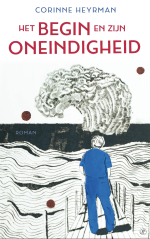
Початок та його безкінечність
Translated from
Dutch
to
Ukrainian
by Larysa Dobra
Written in Dutch by Corinne Heyrman
8 minutes read
De regresso a casa
Translated from
Italian
to
Portugese
by Vasco Gato
Written in Italian by Fabrizio Allione
9 minutes read
Sraz
Translated from
Romanian
to
Czech
by Tereza Prymak
Written in Romanian by Alexandru Potcoavă
8 minutes read
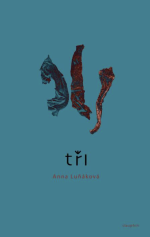
Trzy!
Translated from
Czech
to
Polish
by Paulina Zając
Written in Czech by Anna Luňáková
6 minutes read
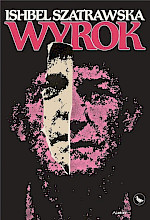
Sentința
Doi bandiți au primit ordin să execute un turnător. Rătăcind prin munți și sate, sunt ei înșiși urmăriți de trecut. O parabolă onirică plasată într-o lume brutală, cu personaje cuprinse de propria lor frică.
Translated from
Polish
to
Romanian
by Oana-Andreea Stoe
Written in Polish by Ishbel Szatrawska
9 minutes read
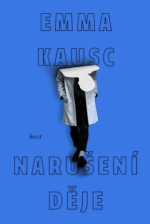
Perturbarea acțiunii
Anii `70. William „Mole Man” Lyttle descoperă într-un tunel de sub casa lui o frază care va influența ireversibil cursul lumii. „Viețile noastre deja nu ne mai par povești”.
Protagonista acestui roman de autoficțiune este Emma, în vârstă de treizeci și trei de ani, care încearcă să-și înțeleagă rădăcinile cehe, să se împace cu moartea mamei sale și să găsească răspunsuri la întrebările legate de dispariția partenerei sale. Istoria din jurul ei nu curge, ci se acumulează și se sparge. Printre rămășițe, nivelul apei crește în mod catastrofal și incendiile se intensifică. Emma se luptă cu ele în încercarea de a se îndepărta de iubirea în care se câștigă și se pierde. În povestea sa ajungem la final împreună sau fiecare în felul său, povestea rămâne. La fel și întrebarea dacă povestirea poate ajuta omul să se împace cu evenimentele tragice.
„Esența romanului constă în explorarea posibilităților limbajului și ale narațiunii ca instrumente gestionare a evenimentelor dureroase. Textul este saturat de imagini colorate, în care se reflectă atât abilitățile unei poete consacrate, cât și ale unei prozatoare talentate.” — redacția editurii Host
„Romanul are o structură, un ritm și un mesaj puternic. Oferă speranța că și cele mai mici ficțiuni ne pot salva de catastrofe.” — A2
Translated from
Czech
to
Romanian
by Andrei Săndulescu
Written in Czech by Emma Kausc
6 minutes read
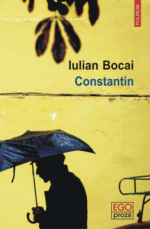
Constantin
Translated from
Romanian
to
Spanish
by Borja Mozo
Written in Romanian by Iulian Bocai
10 minutes read

Și dacă toți vor uita
Și dacă toți vor uita o poveste despre identitate, înstrăinare și neînțelegere, este primul roman al Selmei Skenderović, laureată a Festivalului de literatură pentru tineri „Urška” 2020.
Și dacă toți vor uita este un roman al maturizării și al căutării identității, care continuă să exploreze întrebările pe care autoarea și le-a pus deja în volumul său de debut, de proză scurtă, „De ce taci, Hava?”. Povestea este o narațiune intimă, la persoana întâi, a unei studente, despre complexul de a aparține unei clase, consecințele violenței familiale, înstrăinare și probleme identitare. Cum poți trăi când ești un străin atât „aici” cât și „acasă”?
Zina este fiica unor imigranți din Kosovo, care decide să urmeze studii universitare. După ce se mută dintr-un mic orășel sloven la cămin, în Ljubljana, își caută calea între lumile care o definesc.
Pentru ea există două lumi: cea de aici, din Slovenia, și cea din Kosovo, așa cum există două lumi și între ea și părinți, între ea și „ai ei” (imigranți din alte părți) și sloveni, dar și altele două, în ea însăși. Să se distanțeze, să se îngrădească, să se apropie, să se contopească sau să se excludă? Dar cu cine, în fața cui sau de cine, când, până la urmă, toți suntem oameni. Zina e o observatoare severă a lumii din jur, a părinților, a ei înseși. Reflectează la cine este cu adevărat. Își dorește propriul spațiu, o lume în care să existe mai multe îmbrățișări decât violență. Cu cât va prelua mai puține tipare patriarhale în existența ei tot mai independentă, cu atât mai bine îi va fi. E complet conștientă de asta. Și de faptul că singur îți trasezi drumul în viață. Cel puțin din momentul în care te împotrivești manipulărilor și loviturilor care în anumite locuri încă mai sunt considerate ca fiind o educație adecvată. Zina, prin gândirea ei clară și prin analiza evenimentelor din viața ei și a rudelor din Kosovo, vorbește despre diferențele dintre oameni care se află la o distanță unii de alții de „numai” 700 de kilometri, sau de numai câțiva centimetri, în propria familie.
Translated from
Slovenian
to
Romanian
by Sergiu Lozinschi
Written in Slovenian by Selma Skenderović
8 minutes read
Modliszka
Mia ma dwadzieścia siedem lat i codziennie musi oglądać to, co na tym świecie najgorsze: pracuje jako moderatorka treści i cenzuruje najbardziej brutalne filmiki krążące w sieci. Odkąd Ruben, jej były chłopak, zginął porażony prądem w wannie, żyje w pętli nihilizmu i wyrzutów sumienia, znieczula się pracą i psychotropami, co jakiś czas ocucana przez przyjaciół, Dennisa i Miriam. Przeszłość Mii z Rubenem to archiwum wspomnień bolesnych jak te scenki, które musi usuwać z sieci. Niestety nie jest w stanie wymazać z pamięci jego szantażów emocjonalnych i oskarżeń o to, że pożera go jak modliszka, tak samo jak lęku przed rozstaniem. Ale kiedy natrafia na filmik, na którym Sofia, dziewczyna bardzo do niej podobna, rzuca się z mostu, Mia otrząsa się i postanawia podążyć jej śladami: spotyka jej chłopaka, wschodzącego muzyka o imieniu Lapo, i przyjaciółkę Margot, pracującą jako dziewczyna do towarzystwa i tancerka w nocnym klubie. Daje się uwieść obojgu, niczym w lustrzanym kalejdoskopie. Razem z Miriam i Margot wchodzi w pakt wychodzącego poza schematy siostrzeństwa, który pomoże jej rozbić skorupkę bólu. ,,Modliszka” to opowieść o samotnej, młodej kobiecie, która mierzy się ze stratą i próbuje wyzwolić się z atawistycznego poczucia winy, żeby móc wyruszyć na poszukiwanie nowej wersji siebie.
Translated from
Italian
to
Polish
by Amina Niepsuj-Wood
Written in Italian by Cecilia Rita
7 minutes read

Brooklyn-Barakaldo
Translated from
Spanish
to
Dutch
by Lies Doms
Written in Spanish by Antonio Lleras
10 minutes read
Там, където залязва слънцето
Мислила ли си е някога бившата учителка по украински език, 72-годишната Вира Тиха, че в края на своя , макар не лек, но напълно щастлив живот, ще се озове в Дом за възрастни хора? Разбира се, че не.
Още по-малко си е представяла, че там ще я заведе единственият ѝ и толкова обичан син. Госпожа Вира беше убедена, че няма да остане тук задълго. Просто е лятото на 2022 година и е война, синът ѝ Толя работи като доброволец денонощно, снаха ѝ е принудена да се евакуира с децата в чужбина, а селото в Киевска област, където живеят, бавно се съвзема след бойните действия и окупацията. За нея, с нейното слабо сърце, за да не безпокои сина ѝ, може би наистина е по-добре засега да остане тук, по-далеч от фронтовата линия, в относително спокойното малко селце, където войната съществува сякаш само по телевизията, в компанията, така да се каже, на връстници. Макар че тези „връстници” отдавна са прехвърлили седемдесетте.
Вместо общителни и добронамерени старци, Вира Тиха попада в свят на наранени, хапливи, саркастични старчоци, които ден след ден просто наблюдават как животът им бавно се претъркулява отвъд небесния хоризонт.
Там, където залязва слънцето е топъл и разтърсващ разказ за живота в неговия залез. Роман, който повдига важни и болезнени теми чрез историите на своите герои и чрез сложните им взаимоотношения, най-вече с децата им. Текст с терапевтично въздействие, от което всички ние толкова се нуждаем в тези трудни времена. Както казва самата авторка, това е книга-пластир за наранено сърце.
Translated from
Ukrainian
to
Bulgarian
by Dayana Gocova
Written in Ukrainian by Olena Pshenychna
8 minutes read