View all filters
Clear








Na het laatste avondmaal
Translated from
Portugese
to
Dutch
by Anne Lopes Michielsen
Written in Portugese by José Gardeazabal
9 minutes read
Fios
Translated from
Dutch
to
Portugese
by Lut Caenen
Written in Dutch by Hannah Roels
8 minutes read
Een bom in de nacht die de bergen verlicht
Translated from
Portugese
to
Dutch
by Finne Anthonissen
Written in Portugese by Daniela Costa
8 minutes read
Schreeuwen als nooit tevoren
Translated from
Polish
to
Dutch
by Charlotte Pothuizen
Written in Polish by Aleksandra Lipczak
12 minutes read
Laat het opklaren
Translated from
Spanish
to
Dutch
by Heleen Oomen
Written in Spanish by Matías Candeira
7 minutes read
Dicţionarul Deţinutului
Translated from
Italian
to
Romanian
by Elena Damaschin
Written in Italian by Sara Micello
7 minutes read
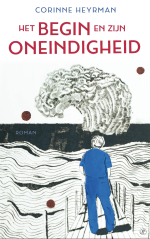
Začetek in njegova neskončnost
Translated from
Dutch
to
Slovenian
by Tina Jurman
Written in Dutch by Corinne Heyrman
8 minutes read
Elogio do Furacão
Translated from
Spanish
to
Portugese
by Miguel Martins
Written in Spanish by Alejandro Morellón Mariano
4 minutes read
De regresso a casa
Translated from
Italian
to
Portugese
by Vasco Gato
Written in Italian by Fabrizio Allione
9 minutes read
Гемінґвей нічого не знає
Ця книга короткої прози — свідчення солдата про досвід великої війни. Віра на фронті, братерство між військовими, страх і надія, смерть і Любов. Автор пропрацьовує власні травматичні спогади, але текст може стати психотерапією не лише для нього, а й для читачів. Автор говорить про себе, переповідає реальність та сни, але передовсім фіксує життя на межі. Розповідає про людей великої Любові, на яких все й тримається. Тут обʼявляється Господь Окопний, починається Найновіший Завіт, стає опорою українська культура в рюкзаку, а визнані метри воєнної літератури не витримують випробування реальністю. Їм про нас, українців, нічого не відомо. Про себе можемо говорити тільки ми, бо на Східному фронті все змінилось. І Артур Дронь говорить про це відверто і прямо. Як говорять ті, які були на межі. І повернулися.
Written in Ukrainian by Artur Dron
9 minutes read
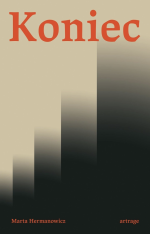
Până la Capăt
Translated from
Polish
to
Romanian
by Oana-Andreea Stoe
Written in Polish by Marta Hermanowicz
13 minutes read

Planul de rezervă
Translated from
Spanish
to
Romanian
by Silvia Alexandra Ștefan
Written in Spanish by Aixa De la Cruz Regúlez
7 minutes read
Het Romeinse Rijk in 100 data
Translated from
Italian
to
Dutch
by Lies Lavrijsen
Written in Italian by Fabio Guidetti
8 minutes read
Pastel de tapioca
Translated from
Portugese
to
Spanish
by Sara De Albornoz Domínguez
Written in Portugese by Daniela Costa
9 minutes read
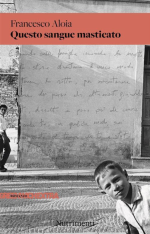
Ta prežvečena kri
Translated from
Italian
to
Slovenian
by Zarja Lampret Prešeren
Written in Italian by Francesco Aloia
9 minutes read
Szczęśliwe zakończenie
Translated from
Serbian
to
Polish
by Aleksandra Wojtaszek
Written in Serbian by Jasna Dimitrijević
7 minutes read

Soarele, când coboară (fragment)
Translated from
Dutch
to
Romanian
by Cătălina Oșlobanu
Written in Dutch by Joost Oomen
8 minutes read
V redu je
Translated from
Dutch
to
Slovenian
by Ariela Herček
Written in Dutch by Aya Sabi
6 minutes read
Wyspa
Written in Polish by Urszula Jabłońska
8 minutes read
Domani
Translated from
Portugese
to
Italian
by Elisa Rossi
Written in Portugese by Patrícia Patriarca
8 minutes read