CELA About Talents News Calendar Contact Reading Room

Facebook Instagram Newsletter LinkedIn
View all filters Where the Wild Things Grow Body and identity Clear

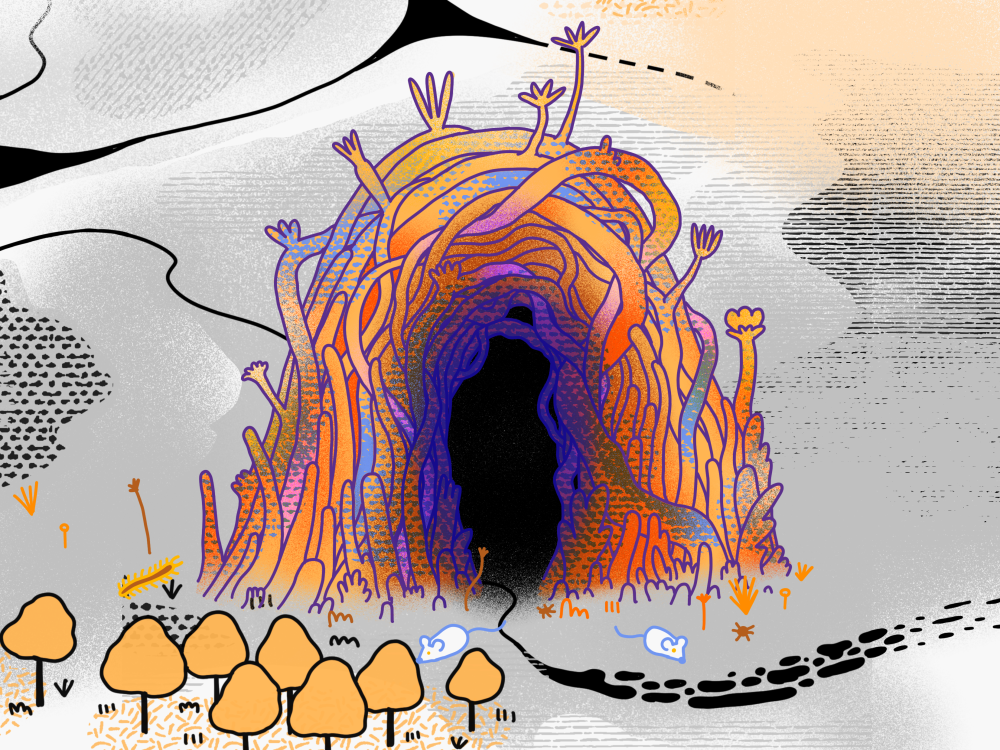
Where the Wild Things Grow

Explore our connections with ecology, rituals, the cosmos, and the pressing climate challenges of our time

Město ze střepů

Translated from Dutch to Czech by Barbora Genserová
Written in Dutch by Hanan Faour
7 minutes read

MONDOBOIA

Translated from Serbian to Italian by Sara Latorre
Written in Serbian by Ana Marija Grbic
10 minutes read

Depresivní Esmeralda

Translated from Portugese to Czech by Štěpánka Huláková
Written in Portugese by Luis Brito
6 minutes read

Oda a la hermandad

Translated from Dutch to Spanish by Carmen Clavero Fernández
Written in Dutch by Yelena Schmitz
8 minutes read

Koridor (Peninsula)

Translated from Dutch to Slovenian by Lucija Janc Novak
Written in Dutch by Lieven Stoefs
7 minutes read

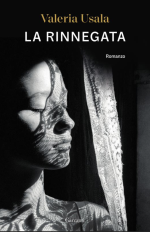
Odpadlice

Translated from Italian to Czech by Anna Kostková
Written in Italian by Valeria Usala
8 minutes read

Bilo je nekoč na Krimu

Translated from Ukranian to Slovenian by Rina Pleteršek
Written in Ukranian by Anastasia Levkova
9 minutes read

Acquagrave

Translated from Slovenian to Italian by Giorgia Maurovich
Written in Slovenian by Pia Prezelj
10 minutes read

Hilos

Translated from Dutch to Spanish by Carmen Clavero Fernández
Written in Dutch by Hannah Roels
8 minutes read

Residence

Written in Italian by Maurizio Amendola
9 minutes read

Di me non sai

Lucio falls in love with "the boy" even before meeting him: just watching him from the window of his office is enough for him to become almost obsessed. When they finally meet, he discovers that Davide is much younger than him (still studying), and that he is elusive, unreliable, and "cruel" in the way only twenty-year-olds can be cruel. For two months, Lucio and Davide have dinner together, have sex, go to the beach, and often sleep at Lucio's place. However, Davide does not fall in love. He continues to seek Lorenzo, the only man he (perhaps) truly loved, of whom he keeps only a pixelated photo on an old cellphone. Like many twenty-year-olds, he is also confused, wounded, and willing to nestle into the routine of always having a Coca-Cola ready for him in the refrigerator. "Di me non sai" tells the story of a relationship lived in an opposite, incompatible way, whose nature is revealed to the reader only as the novel progresses. Alternating the perspectives of the two protagonists in short, sometimes very short chapters, Raffaele Cataldo shows the misalignment of feelings and the painful consequences it can have, the slow pace of hot Apulian summers, and the obsessive loves (present and absent) that, like wild oat seeds, cling to hair, shoes, and clothes.
Written in Italian by Raffaele Cataldo
4 minutes read

Важка вода

Translated from Slovenian to Ukranian by Yuliia Stankevych
Written in Slovenian by Pia Prezelj
8 minutes read

Iadul

Translated from Dutch to Romanian by Irina Kappelhof Costea
Written in Dutch by Aya Sabi
8 minutes read

Nebyla jsem, ale už jsem. Citlivá na každou změnu počasí.

Translated from Serbian to Czech by Markéta Chlebovská
Written in Serbian by Marija Pavlović
8 minutes read

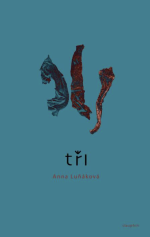
Drie!

Translated from Czech to Dutch by Lysanne Aarsman
Written in Czech by Anna Luňáková
8 minutes read

Ce nu știi despre mine

Translated from Italian to Romanian by George Doru Ivan
Written in Italian by Raffaele Cataldo
4 minutes read

Хей, момичета (It’s Both Heaven and Hell Here. Moldova: a Century of Lived History)

Translated from Romanian to Bulgarian by Valentina Zlateva
Written in Romanian by Paula Erizanu
7 minutes read

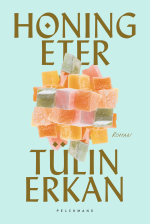
ARRIVALS / GELIȘ (Medojed)

Translated from Dutch to Serbian by Tamara Britka
Written in Dutch by Tülin Erkan
7 minutes read

Streszczenie

Translated from Italian to Polish by Mateusz Kłodecki
Written in Italian by Arianna Giorgia Bonazzi
4 minutes read

Apă grea

Translated from Slovenian to Romanian by Sergiu Lozinschi
Written in Slovenian by Pia Prezelj
10 minutes read
Loading...