View all filters
Clear








Notatki z życia Frances Donnell
Translated from
Spanish
to
Polish
by Katarzyna Górska
Written in Spanish by Adriana Murad Konings
5 minutes read
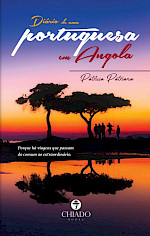
Diário de uma Portuguesa em Angola
Written in Portugese by Patrícia Patriarca
8 minutes read
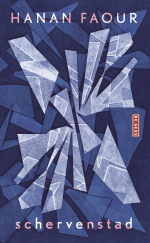
schervenstad
Nadine en haar tweelingbroer Isaac zijn op hun veertiende door het stukgelopen huwelijk van hun ouders ook van elkaar gescheiden. Isaac vertrekt met hun Libanese vader naar diens geboorteland, terwijl Nadine met hun Nederlandse moeder achterblijft in Noord-Limburg. Als de wereld jaren later wordt opgeschrikt door een explosie in de haven van Beiroet, weet Nadine één ding zeker: ze moet erheen.
Written in Dutch by Hanan Faour
9 minutes read
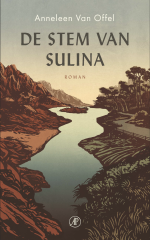
Sulinin glas
Translated from
Dutch
to
Slovenian
by Lucija Janc Novak
Written in Dutch by Anneleen Van Offel
6 minutes read
Aleea Zorilor: începutul
Written in Romanian by Andrei Crăciun
8 minutes read
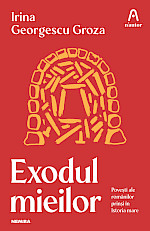
Exodul mieilor (The Exodus of The Lambs)
Ficțiunea istorică „Exodul mieilor” pornește de la urmările masacrului comis asupra unei comunități din vestul României, imediat după semnarea Dictatului de la Viena, în anul 1940. Începutul celui de-Al Doilea Război Mondial îi găsește pe Domnica și pe frații Romi și Miculuș la castelul familiei Teleki, acolo unde muncesc ca servitori. Imediat ce află că satul lor a fost atacat, ei pornesc la drum pentru a-și salva mama. Doar că singura cale de scăpare de trupele horthyste înarmate este rețeaua de tuneluri subterane săpate între cetățile Transilvaniei (la începutul cărții există o hartă a acestei rețele), în care refugiații români își caută familiile și calea spre libertate. În Subtărâm au loc confruntări de tot felul, pentru că nu toate galeriile au fost finalizate, proviziile din cămări lipsesc, iar o iscoadă trimisă de maghiari strecoară la interior un sac cu dinamită. În paralel cu drama refugiaților se împletește și povestea de dragoste dintre Romi și Domnica, care se rătăcesc unul de celălalt. Domnica rămâne ostatică într-un cătun locuit de un grup de spioni ruși, în timp ce Romi e urmărit de fiul contelui Teleki și de soldații acestuia.
„Exodul mieilor” nu este doar o poveste alertă despre drumuri și hotare, ci și genul de roman care deschide dialoguri pe teme precum exilul, memoria colectivă și drepturile femeilor, îndemnându-ne la final să ne întrebăm: ce preț suntem dispuși să plătim pentru libertate și ce moștenire alegem să lăsăm generațiilor viitoare?
Written in Romanian by Irina Georgescu Groza
11 minutes read
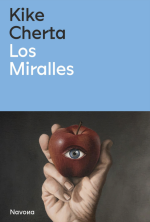
Міральєси
Translated from
Spanish
to
Ukranian
by Oleksandra Laktionova
Written in Spanish by Kike Cherta
7 minutes read
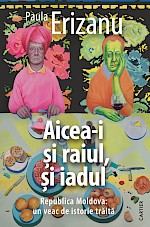
Hele, holky (It’s Both Heaven and Hell Here. Moldova: a Century of Lived History)
Translated from
Romanian
to
Czech
by Klára Našincová
Written in Romanian by Paula Erizanu
6 minutes read
Fragment of a diary
Translated from
Portugese
to
Spanish
by Sara De Albornoz Domínguez
Written in Portugese by Patrícia Patriarca
8 minutes read
Manevră
Translated from
Dutch
to
Romanian
by Cătălina Oșlobanu
Written in Dutch by Simone Atangana Bekono
8 minutes read
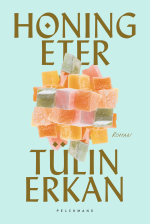
ARRIVALS / GELIȘ (Honingeter)
Sibel wacht in de luchthaven van Istanboel. Elke dag opnieuw mist ze haar vlucht naar Brussel. Ze voelt zich in de beide landen niet thuis, wil grip krijgen op de herinneringen aan haar overleden vader en haar taal herontdekken. Sibel vult de dagen met het observeren van andere passagiers en de zorg voor een speurhond.
Maar zelf wordt ze ook geobserveerd. Bewakingsagent Ömer houdt haar via zijn schermen in da gaten en beslist haar te beschermen, zoals een vader. En dan is er nog Wernicke, een piloot die niet alleen zijn job verloor, maar nu ook zijn taal en gezondheid. Alle drie leven ze illegaal in de luchthaven, met hun eigen bagage en communicatieproblemen. Een sneeuwstorm verlengt hun ongemakkelijke samenzijn, maar een afscheid is onafwendbaar.
Erkan omschrijft gevoelig hoe het is om tussen twee culturen op te groeien. Honingeter maakt bevattelijk hoe onmogelijk het is de ander echt te begrijpen en om je ergens thuis te voelen als je je moedertaal niet kunt spreken. Met poëtische metaforen toont Erkan de kwetsbaarheid van haar personages.
Tülin Erkan (1988) groeide op in Oostende bij een Franstalige moeder en een Engelstalige grootmoeder. Haar zomers bracht ze door bij haar vader in Turkije. Wanneer mensen haar als half omschrijven, voelt ze zich vooral dubbel. In haar debuut Honingeter rijgt ze taal en herinnering virtuoos aan elkaar tot een gecondenseerd geheel.
Written in Dutch by Tülin Erkan
7 minutes read
ONZE VADER
Written in Dutch by Lotte Lentes
7 minutes read
Beleške o životu Fransis Donel
Translated from
Spanish
to
Serbian
by Ljubica Trošić
Written in Spanish by Adriana Murad Konings
5 minutes read
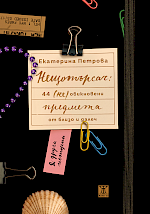
Poszukiwaczka rzeczy: 44 (nie)zwyczajnе przedmioty z bliska i z daleka
Tak jak sugeruje podtytuł, książka Poszukiwaczka rzeczy przedstawia historie 44 przedmiotów z bliska i z daleka. W środku znajdziemy zaskakujące, różnorodne i uporządkowane tematycznie znaleziska z całego świata: buty z Bhutanu, płytki chodnikowe z Barcelony według projektu Gaudiego, szklanki do wina z kraju Basków, broszkę w kształcie serca z Sarajewa, espadryle z Pirenejów, skarabeusze ze Starożytnego Egiptu, pudełko ze śmieciami z Nowego Jorku, kawałek pomarańczowego materiału „Dryfujących pomostów” z jeziora Iseo, słoweńskiego dzwoniącego smoka, mapę Wschodniego Berlina i wiele innych. Opowiadając historie konkretnych przedmiotów, Ekaterina Petrowa w rzeczywistości opowiada o miejscach, z których one pochodzą – o Küstendorfie i Katmandu, o Lublanie i Luizjanie, o Belwederze i Bilbao, o Selçuku i Central Parku – jednocześnie umieszcza je w szerszym językowym, kulturowym, historycznym, antropologicznym i geograficznym kontekście. Teksty są pomysłową mieszanką dzienników podróży, esejów i opowiadań, uważnie przeanalizowane i poprzetykane ciekawostkami, ale przełamane subiektywnym spojrzeniem autorki, jak i jej osobistą biografią podróżniczki, tłumaczki i poszukiwaczki rzeczy. Artystycznie skomponowana przez Ljubę Chalewą, jedną z najsłynniejszych bułgarskich ilustratorek, szata graficzna książki w cudowny i pełen poczucia humoru sposób oddaje ducha i nastrój historii. Dzięki temu sama książka również staje się pięknym i niosącym przyjemność przedmiotem – do czytania i powracania, do posiadania i obdarowywania.
Translated from
Bulgarian
to
Polish
by Zofia Kręc
Written in Bulgarian by Ekaterina Petrova
8 minutes read
Гей, дівчата (It’s Both Heaven and Hell Here. Moldova: a Century of Lived History)
Translated from
Romanian
to
Ukranian
by Paulina-Ionela Onujec
Written in Romanian by Paula Erizanu
6 minutes read
Deník jedné Portugalky v Angole
Translated from
Portugese
to
Czech
by Štěpánka Huláková
Written in Portugese by Patrícia Patriarca
7 minutes read
la città in frantumi
Translated from
Dutch
to
Italian
by Jessica Rostro Benigno
Written in Dutch by Hanan Faour
8 minutes read
Provázky
Translated from
Dutch
to
Czech
by Veronika Horáčková
Written in Dutch by Hannah Roels
7 minutes read
Nici
Translated from
Dutch
to
Polish
by Ewa Dynarowicz
Written in Dutch by Hannah Roels
6 minutes read
Diário de uma Portuguesa em Angola
Translated from
Portugese
to
Italian
by Elisa Rossi
Written in Portugese by Patrícia Patriarca
8 minutes read