View all filters
Clear








A casa
Translated from
Dutch
to
Italian
by Olga Amagliani
Written in Dutch by Lisa Weeda
7 minutes read
Bollettino dell’ultimo giorno
Translated from
Dutch
to
Italian
by Antonio De Sortis
Written in Dutch by Lotte Lentes
8 minutes read
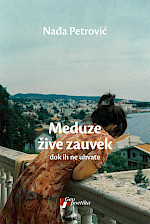
Le meduse sono immortali finché non le catturano
Sara ha appena compiuto diciannove anni e, a causa di un trauma represso del passato, sente crescere dentro di sé la paura di morire proprio a quell’età. Per questo motivo trascorre sotto l’ombra dell’ansia l’estate che dovrebbe essere la più spensierata della sua vita, quella tra la fine del liceo e l’inizio dell’università. Esce con gli amici nei club alternativi, cerca di riconciliarsi con l’ex ragazzo Viktor, beve molto e desidera essere notata da tutti, anche se in realtà è una persona introversa.
Tutto cambia dopo che, in una stanza buia di un club, Sara ha la sua prima visione, in cui il trauma del passato prende vita: si ritrova di nuovo faccia a faccia con Lara, sua cugina morta proprio a diciannove anni. Sara si sveglia la mattina seguente con un formicolio al braccio; la sensazione si diffonde e Sara scopre di avere una malattia senza nome, con cui potrà convivere normalmente ma che la accompagnerà per sempre.
Prendendolo come un primo segnale che la sua paura della morte potrebbe essere fondata, Sara inizia a dedicarsi ossessivamente all’analisi del proprio corpo come qualcosa di fragile e transitorio e, attraverso queste riflessioni, cresce rapidamente. Inizia un corso di pittura, dove incontra Tisa e Balša: entrambi eccentrici, entrambi segnati da incontri passati con la
morte e da traumi sepolti. Sara trova in Tisa un modello, mentre si innamora di Balša. Attraverso il rapporto con loro, Sara affronta il suo presente, il suo futuro e il suo passato traumatico.
Translated from
Serbian
to
Italian
by Katarina Mitić
Written in Serbian by Nađa Petrović
11 minutes read
Tornando a casa
Written in Italian by Fabrizio Allione
8 minutes read
Di demoni e di destrieri
Translated from
Slovenian
to
Italian
by Lucia Gaja Scuteri
Written in Slovenian by Mirt Komel
5 minutes read
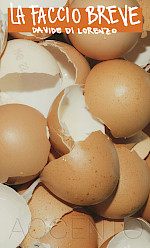
La faccio breve
Ha ventiquattro anni, è per metà napoletano e per metà ungherese, ha studiato a Bologna, vorrebbe fare il regista ed è ancora in attesa di trovare la sua strada: è questo l’identikit di partenza del protagonista di La faccio breve, il brillante esordio di Davide Di Lorenzo.
Si chiama Davide, proprio come l’autore del romanzo, e lo incontriamo per la prima volta a Budapest, città in cui è nata e cresciuta sua madre. Si è lasciato alle spalle l’Italia, gli amici, la famiglia, e nonostante la vita all’estero non gli risparmi avventure grottesche la sua quotidianità è sonnolenta e girovaga.
Una trasferta a Berlino non cambierà le cose, che inizieranno invece a movimentarsi solo con l’ammissione a una scuola di cinema e il trasferimento a Roma. Il Pigneto, le nottate a ballare (e i conseguenti rocamboleschi rientri), la stanchezza e i nuovi incontri contribuiranno a risvegliare Davide, intento ad arrovellarsi su un mistero: la comparsa insensata, ma sempre più frequente, di un uovo rotto sul pianerottolo.
Davide Di Lorenzo riesce a raccontare con fedeltà ironica la vita quotidiana di un ragazzo sulla soglia dell’età adulta, tanto nella sua dimensione domestica e malinconica quanto nelle infinite serate romane, o nelle feste alcoliche in giro per l’Europa. La faccio breve è un romanzo scanzonato e commovente, che conserva tutto il ritmo sgangherato e la freschezza dei vent’anni.
Written in Italian by Davide Di Lorenzo
10 minutes read
Cose che non cambiano mai
Translated from
Portugese
to
Italian
by Elisa Rossi
Written in Portugese by Luis Brito
5 minutes read
Viale Zorilor: L’inizio
Translated from
Romanian
to
Italian
by Maria Alampi
Written in Romanian by Andrei Crăciun
9 minutes read
La generazione banana: sulla doppia vita dei cinesi dei Paesi Bassi oggi
Translated from
Dutch
to
Italian
by Jessica Rostro Benigno
Written in Dutch by Pete Wu
9 minutes read
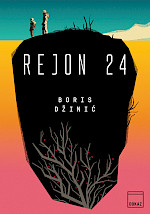
Area 24
Sono già passati diversi anni da quando Luke ed Ellie hanno messo piede per la prima volta sul suolo del Pianeta Rosso.
Piantando visciole su Marte, gli unici alberi che finora riescono a sopravvivere su questo pianeta desolato, padre e figlia intraprendono un’emozionante ricerca tra i segreti sepolti negli strati di polvere rossastra. Alberi carichi di frutti rosso scuro crescono sotto le volte di tutte le serre specializzate, tranne che in una, l’Area 24.
Mentre l’interno delle loro tute spaziali si riempie sempre più di solitudine, paura, incomprensione e tristezza, gli eventi tragici del passato continuano a gravare su di loro come la cupa foschia di Marte. Nonostante si costringano a non pensare alla casa che hanno lasciato temporaneamente, sprazzi del loro passato li riconducono verso piccoli dettagli e ricordi che hanno plasmato le loro vite. Perché è importante il modo in cui Ellie mangia le visciole o quale albero Luke ha piantato da bambino? La vecchia proprietà, il frutteto, il lago vicino, la fiera di paese ormai silenziosa e la rete di canali e boschetti intrecciati possono forse rappresentare lo scheletro e il sistema vitale di una famiglia?
Nel suo romanzo d’esordio, Boris Džinić intreccia abilmente passato e presente dei suoi protagonisti, offrendoci una storia toccante sul potere dei ricordi, sull’amore, sul dolore, sulla sofferenza e sui legami indissolubili tra le persone. Area 24 ci ricorda che anche nel luogo più oscuro è possibile conservare la gioia di vivere e la speranza che valga la pena tornare a ciò che ci aspetta.
Translated from
Serbian
to
Italian
by Katarina Mitić
Written in Serbian by Boris Džinić
11 minutes read
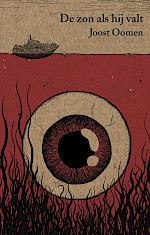
Il sole quando cade
Translated from
Dutch
to
Italian
by Antonio De Sortis
Written in Dutch by Joost Oomen
8 minutes read
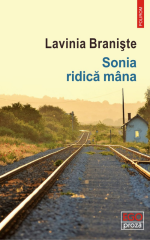
Domani
Translated from
Romanian
to
Italian
by Andreaa David
Written in Romanian by Lavinia Braniște
6 minutes read
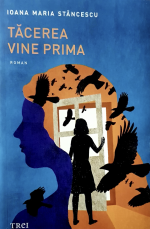
Il silenzio viene prima
Translated from
Romanian
to
Italian
by Barbara Pavetto
Written in Romanian by Ioana Maria Stăncescu
10 minutes read
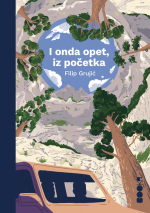
E poi di nuovo, da capo
Translated from
Serbian
to
Italian
by Katarina Mitić
Written in Serbian by Filip Grujić
9 minutes read
Anche se non puoi vederne che una goccia
Translated from
Dutch
to
Italian
by Antonio De Sortis
Written in Dutch by Rebekka de Wit
9 minutes read
Cara, francamente me ne infischio
Translated from
Czech
to
Italian
by Elena Zuccolo
Written in Czech by Lucie Faulerová
9 minutes read
Il depuratore
Translated from
Czech
to
Italian
by Elena Zuccolo
Written in Czech by Anna Háblová
11 minutes read
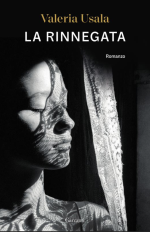
La rinnegata
A story of three generations of women, their courage and search for independence in the face of superstition and prejudice, in the spirit of Natalia Ginzburg and Elena Ferrante. In this striking debut, based on a true story, Valeria Usala bears witness to an age-old story of violence against women and takes us into the heart of rural Sardinia, where superstitions and cruelty coexist with the joys and companionship of a tight-knit community.
Teresa runs a shop and a tavern. But not even the family she has created with the man she loves can protect her from the malicious gossip of jealous locals, who are threatened by her independence. Her own mother, Maria, was made an outcast, and now Teresa is in turn forsaken by the villagers. Will she pay for her success with her life? Is she like a character in Greek tragedy, whose destiny is inevitable? A story that gives voice to the forgotten women of Sardinia—and to the one of women everywhere.
Written in Italian by Valeria Usala
10 minutes read