View all filters
Clear








L’esilio
Translated from
Romanian
to
Italian
by Maria Alampi
Written in Romanian by Anna Kalimar
8 minutes read
Comunione
Translated from
Spanish
to
Italian
by Valeria Parlato
Written in Spanish by Roberto Osa
7 minutes read

Brooklyn-Barakaldo
Tacere e diventare complice? Oppure rivolgersi alla giustizia e temere la vendetta?
Mateo torna nella casa di famiglia a Madrid dopo essere stato licenziato dallo studio di architettura in cui lavorava a Barcellona. Quando per caso trova una pistola tra gli effetti personali di Juan, suo padre, sospetta che lui fosse coinvolto in un attentato dell’ETA avvenuto vent’anni prima nel quartiere. Parallelamente, il lettore conoscerà la storia di Malen, che nel 2000 pianificò nello stesso quartiere di Juan e Mateo l’omicidio di un giudice la cui esecuzione portò a un esito inaspettato. L’indagine di Mateo per cercare la verità lo porterà a svelare segreti nascosti che potrebbero minare irrimediabilmente le fondamenta della sua vita e delle persone che ama.
Prendendo spunto da un attentato realmente avvenuto venticinque anni fa a Madrid, nel suo primo ed emozionante romanzo Antonio Lleras riflette sulla redenzione e sulla possibilità di cambiare vita. E su come, decenni dopo la fine dell'ETA, vittime e carnefici cerchino di ricostruire le loro vite dopo un passato comune fatto di violenza e vendetta.
Translated from
Spanish
to
Italian
by Martino Gandi
Written in Spanish by Antonio Lleras
9 minutes read
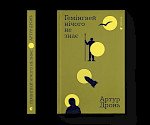
“Cosa volete che ne sappia Hemingway”
Translated from
Ukrainian
to
Italian
by Claudia Bettiol
Written in Ukrainian by Artur Dron
12 minutes read
Cassandra fuma sigarette senza filtro
Translated from
to
Italian
by Claudia Bettiol
Written in by
14 minutes read
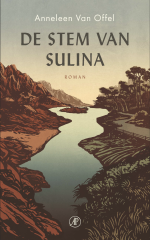
La voce di Sulina
Translated from
Dutch
to
Italian
by Matilde Soliani
Written in Dutch by Anneleen Van Offel
7 minutes read
Lieto fine
Translated from
Serbian
to
Italian
by Sara Latorre
Written in Serbian by Jasna Dimitrijević
9 minutes read
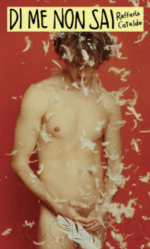
Di me non sai
Lucio falls in love with "the boy" even before meeting him: just watching him from the window of his office is enough for him to become almost obsessed. When they finally meet, he discovers that Davide is much younger than him (still studying), and that he is elusive, unreliable, and "cruel" in the way only twenty-year-olds can be cruel.
For two months, Lucio and Davide have dinner together, have sex, go to the beach, and often sleep at Lucio's place. However, Davide does not fall in love. He continues to seek Lorenzo, the only man he (perhaps) truly loved, of whom he keeps only a pixelated photo on an old cellphone. Like many twenty-year-olds, he is also confused, wounded, and willing to nestle into the routine of always having a Coca-Cola ready for him in the refrigerator.
"Di me non sai" tells the story of a relationship lived in an opposite, incompatible way, whose nature is revealed to the reader only as the novel progresses. Alternating the perspectives of the two protagonists in short, sometimes very short chapters, Raffaele Cataldo shows the misalignment of feelings and the painful consequences it can have, the slow pace of hot Apulian summers, and the obsessive loves (present and absent) that, like wild oat seeds, cling to hair, shoes, and clothes.
Written in Italian by Raffaele Cataldo
4 minutes read
L’Affitto
Translated from
Portugese
to
Italian
by Elisa Rossi
Written in Portugese by Daniela Costa
8 minutes read
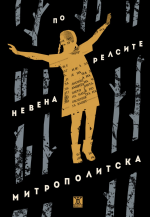
Lungo i binari
Translated from
Bulgarian
to
Italian
by Giorgia Spadoni
Written in Bulgarian by Nevena Mitropolitska
10 minutes read
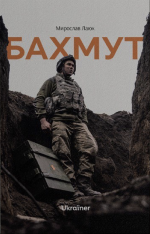
Bachmut
Translated from
Ukrainian
to
Italian
by Claudia Bettiol
Written in Ukrainian by Myroslav Laiuk
13 minutes read
Un angelo
Translated from
Romanian
to
Italian
by Maria Alampi
Written in Romanian by Anna Kalimar
10 minutes read
MONDOBOIA
Translated from
Serbian
to
Italian
by Sara Latorre
Written in Serbian by Ana Marija Grbic
10 minutes read
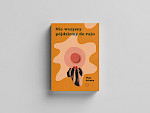
Non tutti andremo in paradiso
In una mano una lattina di birra bionda, nell’altra un rosario, una sigaretta in bocca, gli Aerosmith alla radio. Tre ragazze che provano qualcosa l’una per l’altra, in viaggio attraverso la Polonia di provincia a bordo di una sgangherata Opel. Una racconta alle altre della sua vita: della prima scuola, della prima amicizia e del primo amore. Il viaggio spirituale negli anni Novanta e Duemila intrapreso dalla narratrice di questo romanzo on the road si rivela in realtà un'analisi penetrante dell'identità di classe e di genere, ma anche un tentativo di descrivere il desiderio omoerotico: dapprima completamente represso dall’eteronormatività, poi espresso in piccoli gesti e baci, infine, apertamente dichiarato durante un viaggio in auto. La sua destinazione geografica è Radom, ma quella esistenziale: la trasgressione, l’affermazione e l’esperienza estatica della libertà.
Translated from
Polish
to
Italian
by Paola Pappalardo
Written in Polish by Olga Górska
10 minutes read
E dieci dita più in là
Translated from
Dutch
to
Italian
by Antonio De Sortis
Written in Dutch by Joost Oomen
9 minutes read
Va bene così
Translated from
Dutch
to
Italian
by Francesco Panzeri
Written in Dutch by Aya Sabi
7 minutes read
Tutti gli uomini diventano fratelli
Translated from
Dutch
to
Italian
by Francesco Panzeri
Written in Dutch by Yelena Schmitz
8 minutes read
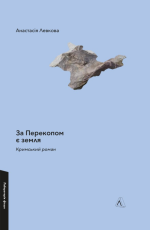
C'era una volta in Crimea
Translated from
Ukrainian
to
Italian
by Claudia Bettiol
Written in Ukrainian by Anastasia Levkova
11 minutes read

Incantare serpenti nelle sere calde
La storia di una giovane donna che vaga per una Varsavia dall'atmosfera surreale con indosso un lacero abito da sposa. È imbrattata di vernice dorata, al posto della borsetta tiene in mano una bottiglia di vino e nel corsetto nasconde un oggetto rubato. Il ritorno a casa le è reso difficile dal caldo apocalittico e da una nuvola di fumo nero che si sta dirigendo verso la città.
Le persone che incontra lungo la strada la sorprendono ancora più del clima della capitale. Ambroży vuole creare un capolavoro, anche se gli manca il talento. Ramona si prende cura delle mani delle clienti a 360 gradi: fa la manicure e legge il futuro nella mano. Stefan assicura di essere albino, o almeno una parte del suo corpo lo è. Le conversazioni con loro sono un pretesto per raccontare di sé e delle proprie esperienze. O forse piuttosto: della persona in cui ora si cala, perché il vero nome della protagonista rimane un mistero fino alla fine. Conosciamo solo il suo pseudonimo: la cam girl Violet Love che si esibisce davanti a uomini che la pagano per soddisfare le loro fantasie, non solo sessuali.
Translated from
Polish
to
Italian
by Paola Pappalardo
Written in Polish by Małgorzata Żarów
11 minutes read
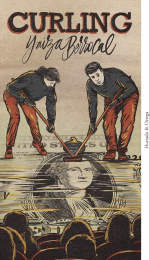
Curling
Translated from
Spanish
to
Italian
by Martino Gandi
Written in Spanish by Yaiza Berrocal
9 minutes read