View all filters
Clear








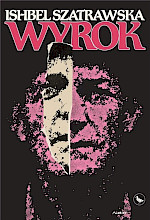
La sentenza
Two scoundrels were ordered to execute a snitch. Wandering through the mountains and
villages, they are hunted by their past. A dreamlike parable set in a brutal world with characters
grasped by their own fear.
Translated from
Polish
to
Italian
by Paola Pappalardo
Written in Polish by Ishbel Szatrawska
9 minutes read
Vita a metà
Translated from
Dutch
to
Italian
by Francesco Panzeri
Written in Dutch by Aya Sabi
8 minutes read
Distorti
Translated from
Spanish
to
Italian
by Valeria Parlato
Written in Spanish by Matías Candeira
7 minutes read
Cambiamento
Translated from
Polish
to
Italian
by Giulio Scremin
Written in Polish by Joanna Gierak Onoszko
10 minutes read
Fine
Translated from
Polish
to
Italian
by Paola Pappalardo
Written in Polish by Marta Hermanowicz
14 minutes read
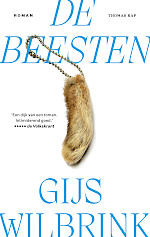
Le bestie
“Non vorrei dire, ma secondo me le cose con Tom Keller cominciarono ad andare storte già da quella volta in cui i due zii lo portarono nel bosco di notte per fargli fare cose che un bambino di nove anni non avrebbe mai dovuto fare.”
Così inizia Le bestie, il romanzo d’esordio di Gijs Wilbrink ambientato nella regione dell’Achterhoek, tra motociclette, bracconieri, allevamenti di visoni e loschi affari che non potrebbero avvenire alla luce del sole. In questa mistica terra di confine piena di segreti cresce Tom Keller, il più giovane rampollo della famiglia più famigerata della zona, dotato di un talento innato per il motocross. Quando anni dopo Tom sparisce all’improvviso, la figlia ribelle torna nella sua terra natale per cercarlo, causando una drammatica riunione di famiglia.
Translated from
Dutch
to
Italian
by Jessica Rostro Benigno
Written in Dutch by Gijs Wilbrink
10 minutes read
Lo strapiombo del bombo
Translated from
Slovenian
to
Italian
by Lucia Gaja Scuteri
Written in Slovenian by Agata Tomažič
11 minutes read

La ragazza che ascoltava gli uccelli
Translated from
Slovenian
to
Italian
by Lucia Gaja Scuteri
Written in Slovenian by Agata Tomažič
10 minutes read
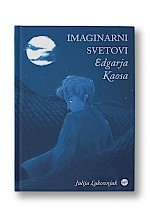
I mondi immaginari di Edgar Kaos
Translated from
Slovenian
to
Italian
by Giorgia Maurovich
Written in Slovenian by Julija Lukovnjak
11 minutes read
Svatá
La vita di Aloisie, un’ostessa rimasta vedova, viene sconvolta quando sua figlia Krista afferma di
aver visto la Vergine Maria nel bosco. Sebbene nessun altro abbia assistito all’apparizione, la
notizia si diffonde rapidamente e folle di pellegrini iniziano ad affluire in quella regione dimenticata.
L’osteria, gravata dai debiti, torna finalmente a prosperare.
Mentre Krista viene adorata da alcuni e odiata da altri, Aloisie non sa più a cosa credere. Sua figlia
è una bugiarda o una visionaria? E nel bosco appare davvero la Madre di Dio, oppure qualcosa di
molto più inquietante?
Ispirato a fatti realmente accaduti nella regione di Broumov nel XIX secolo, questo romanzo
racconta una storia di amore, fede e incrollabile volontà.
Translated from
Slovenian
to
Italian
by
Written in Slovenian by Aleš Belšak
11 minutes read
L'isola
Translated from
Polish
to
Italian
by Giulio Scremin
Written in Polish by Urszula Jabłońska
10 minutes read
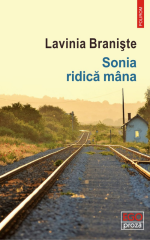
Domani
Translated from
Romanian
to
Italian
by Andreaa David
Written in Romanian by Lavinia Braniște
6 minutes read
Fiori di loto che si chiudono (quando ci si entra) (La via del perceptionist)
Translated from
Serbian
to
Italian
by Katarina Mitić
Written in Serbian by Nikola Lekić
8 minutes read
Bubblegum blues
Translated from
Dutch
to
Italian
by Antonio De Sortis
Written in Dutch by Carmien Michels
9 minutes read
Nemmeno un minuto Portasar
Translated from
Romanian
to
Italian
by Maria Alampi
Written in Romanian by Cătălin Pavel
9 minutes read
I panda di Ueno
Written in Italian by Arianna Giorgia Bonazzi
13 minutes read
L'avvento
Translated from
Romanian
to
Italian
by Andreaa David
Written in Romanian by Alexandru Potcoavă
6 minutes read
Preparare un corpo
Translated from
Dutch
to
Italian
by Olga Amagliani
Written in Dutch by Nikki Dekker
8 minutes read
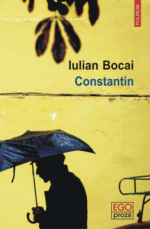
Constantin. Un ritratto
Translated from
Romanian
to
Italian
by Barbara Pavetto
Written in Romanian by Iulian Bocai
10 minutes read
Diario
Translated from
Slovenian
to
Italian
by Lucia Gaja Scuteri
Written in Slovenian by Mirt Komel
11 minutes read