View all filters
Clear









Viața e a mea (This Life is Mine)
Roman scris sub formă de policier, Viaţa e a mea descrie relaţiile dintre trei femei de provenienţă socială diferită: Angela Pop, galeristă (şi proaspătă mamă), Greta Roth, poliţist la Omucideri şi Carla [Razia], lucrătoare sexuală. Suferind de depresie postnatală, Angela resimte acut nevoia de control, nevoie care ia forma, finalmente, a unei instalaţii pe care protagonista o concepe, cu titlul „Viaţa e a mea”, dedicată fiicei sale, Eliza, şi surorii sale, Raisa. În planul ei intră Carla, pe care o întâlneşte întâmplător în una dintre ieşirile în oraş, şi un fost coleg de facultate, jurnalistul Lazăr Mitrea. Carla este, însă, şi iubita – pentru o scurtă perioadă de timp – a Gretei, poliţista desemnată să investigheze moartea suspectă a Angelei Pop.
Diversele linii narative se ţes în jurul acestei dileme: este moartea Angelei omucidere sau sinucidere? Dacă este crimă, cine este vinovatul? Sunt mai mulţi complici? Suspecţii cazului devin toţi apropiaţii „victimei”. Suspiciunea şi tensiunea, narativă şi între personaje, se menţine până la final, când aflăm că Angela Pop instrumentase toate relaţiile pentru a-şi duce la bun sfârşit planul: instalaţia-manifest. Dorinţa de sinucidere şi semnele degradării psihice ale personajului sunt presărate de-a lungul romanului, însă ele nu duc direct la concluzia că aceasta ar fi fost opţiunea Angelei, aşa încât dilema crimă-sinucidere se menţine până la finalul cărţii.
Viaţa e a mea deconstruieşte stereotipurile şi prejudecăţi legate de familie, de gen, de sexualitate sau de tulburări psihice. Romanul se încheie, astfel, cu un manifest care invită la reflecţie, acceptare, înţelegere şi empatie.
Written in Romanian by Emilia Faur
8 minutes read

Piccoli peccati
Una comitiva di amici si forma a seguito di un incidente al concerto della pop star italiana Verda a Berlino, al quale la bulgara Nora sviene a causa di una dose eccessiva di psicostimolanti. Gli astanti nel palchetto – l’imprenditore greco Adrian, il fotografo svedese Johan e la coppia di israeliani Sol, terapeuta, e Lilith, artista – la aiutano. I sei entrano sempre più in confidenza e iniziano a incontrarsi in vari punti d’Europa. Ognuno di loro sembra una persona realizzata e felice, ma nel profondo porta con sé i traumi del passato. Questi traumi generano in ciascuno un “piccolo peccato”: dipendenza dall’alcol, dagli psicostimolanti, tradimento, menzogna, manipolazioni e presunzione.
Nora è attratta da Johan, mentre Adrian e Sol decidono di costruire un moderno centro retreat sull’isola di Creta. La comitiva si raduna lì in vacanza. Durante la terapia di gruppo ognuno condivide il proprio “piccolo” peccato. Lilith annuncia di aver commesso adulterio con Adrian. Scosso da quanto sentito, Sol si sottomette all’antico rituale del salto del toro, che simboleggia il tribunale divino. Il toro lo ferisce.
Tempo dopo ciascuno cerca di fare fronte alle conseguenze di quel giorno. Johan non beve più. Lilith e Adrian vivono insieme a San Francisco. Nora cura la propria dipendenza, mentre Sol è rimasto invalido. Un giorno riceve un pacco da Lilith: i suoi vecchi appunti da terapeuta, dove aveva scritto che lei è probabilmente figlia di un incesto. Ovviamente alla sessione di gruppo lei aveva mentito allo scopo di punirlo per la sua brutale valutazione. Il suo “piccolo” peccato era la menzogna, non il tradimento.
Translated from
Bulgarian
to
Italian
by Giorgia Spadoni
Written in Bulgarian by Paulina Georgieva
8 minutes read
Lotosové květy, které se zavírají (když se do nich vstoupí) (Cesta recepčního)
Translated from
Serbian
to
Czech
by Věra Böhmová
Written in Serbian by Nikola Lekić
6 minutes read
Frankly, my dear, I don’t give a damn.
Translated from
Czech
to
Dutch
by Annette Manni
Written in Czech by Lucie Faulerová
8 minutes read
Zveri
Translated from
Dutch
to
Serbian
by Tamara Britka
Written in Dutch by Gijs Wilbrink
8 minutes read
Molto
Translated from
Polish
to
Italian
by Paola Pappalardo
Written in Polish by Barbara Woźniak
12 minutes read
Pornorama
Ta zgodba je pajčevina iz pretrganih niti: če nam uspe zgrabiti eno, ostale spolzijo proč. To je zgodba o pretresljivem zaporedju smrti v svetu pornografije med Rimom, Milanom in Torinom, pa tudi zgodba o preiskavi, ki jo vodi glavna inšpektorica Vittoria De Feo. To je zgodba o tem, kako sta dvajsetletnika, Bet in Teo, prišla na isto sled, ko sta iskala nekaj udarnega, s čimer bi lahko začela svoj blog, in zgodba o tem, kako je novinar rumenega tiska poskušal napisati najbolj ekskluzivno novico v svojem življenju. Okrog njihovega zapletenega poizvedovanja se giblje nadrealističen zbor grotesknih likov: kirurgov, ki bogatijo s prodajo spolnih igračk, izdelanih v skladu z anatomijo mrtvih pornozvezd, luciferskih odvetnikov, ki pripravnike držijo na povodcu, forenzikov, ki poskušajo uspeti kot youtuberji, igralcev, ki so nekoč nastopali v otroških oddajah, zdaj pa so padli v nemilost, psihiatrov, ki se med srečanji oblačijo v avokade, klepetavih vplivnic, ki pretiravajo s kokainom, priliznjenih menedžerjev igralk v trdih pornografskih filmih. Vse to spremljajo in začinijo sintetične droge in dogovori o podrejanju, odsekane roke in limonove pite, udomačeni zajci in televizijski šund, Ikeina skladišča in pornografski studii. Za najbolj neomadeževano preiskavo se razpletajo konjugacije pornografije obstoja, za katero zdaj ne obstaja nič obscenega več.
Translated from
Italian
to
Slovenian
by Zarja Lampret Prešeren
Written in Italian by Claudia Grande
9 minutes read
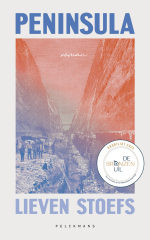
Коридор (Poluostrvo)
Translated from
Dutch
to
Serbian
by Tamara Britka
Written in Dutch by Lieven Stoefs
8 minutes read
Lieto fine
Translated from
Serbian
to
Italian
by Sara Latorre
Written in Serbian by Jasna Dimitrijević
9 minutes read
Lotusbloemen die sluiten (als je ze binnen gaat) (De weg van de waarnemer)
Translated from
Serbian
to
Dutch
by Lena van Tijen
Written in Serbian by Nikola Lekić
8 minutes read
Niejedno
“Najpierw zachwyciłam się językiem. Sprężystym i rozhamowanym. Niejedno musiało zostać tak napisane, choć odnoszę wrażenie, że nikt tak jeszcze nie pisał. Potem przyszła słabość do głównego bohatera. Do specjalisty od społecznych kontekstów chorowania, starzenia się i umierania, który zadaje niewygodne pytania, a mimo to czujemy się przy nim bezpiecznie. Bo pan od eugeniki jest wymagający. Zwłaszcza wobec samego siebie. I w końcu nie mogłam rozstać się z tą historią. Zazdroszczę tym, którzy jej lekturę mają jeszcze przed sobą.”
Mira Marcinów
Written in Polish by Barbara Woźniak
9 minutes read
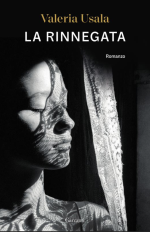
Отхвърлената
Translated from
Italian
to
Bulgarian
by Brigitte Mancuso
Written in Italian by Valeria Usala
9 minutes read
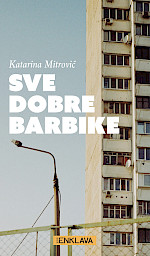
Toda buena Barbie
«Toda buena Barbie» es una novela sobre Vanja, una millennial que está a punto de cumplir treinta años y se da cuenta de que nada en su vida es como pensaba que sería. No se ha convertido en una artista famosa, sino que es guionista de telenovelas baratas, no tiene hijos, está soltera, sufre de ansiedad extrema y sus relaciones con su familia no son las mejores. Cuando su exnovia aparece en su puerta con un bebé, Vanja, a pesar de que Svetlana le rompió el corazón, la deja quedarse un tiempo. Esto la lleva a replantearse su vida. Dividida entre su deseo de hacer lo que le gusta y la necesidad de sobrevivir en el Belgrado actual, Vanja se da cuenta de que debe cambiar algo. De forma impulsiva, deja la telenovela que está escribiendo y, al mismo tiempo, su casero la desaloja de su piso para que se mude una pareja rusa que puede pagar un alquiler mucho más alto. Svetlana se marcha, abandonándola de nuevo, y Vanja se queda sola, sintiéndose de repente como la niña que era, incapaz de valerse por sí misma. Mientras hace las maletas, se derrama accidentalmente agua hirviendo sobre la pierna, provocándole una grave quemadura. Y entonces se pregunta: ¿fue realmente un accidente? Sin saber qué hacer, Vanja vuelve a vivir con su madre, en un pequeño pueblo a las afueras de Belgrado, donde todo aquello de lo que huyó la está esperando.
Translated from
Serbian
to
Spanish
by Miguel Alonso
Written in Serbian by Katarina Mitrović
12 minutes read
Per non vederti
Translated from
Portugese
to
Italian
by Francesca Leotta
Written in Portugese by Valério Romão
10 minutes read
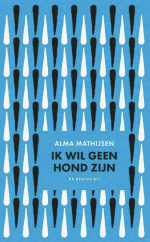
No quiero ser un perro
Translated from
Dutch
to
Spanish
by Daniela Martín Hidalgo
Written in Dutch by Alma Mathijsen
8 minutes read
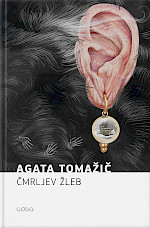
Văgăuna bondarilor Sau ce s-a întâmplat la Fundata în săptămâna abonamentului la schi
Translated from
Slovenian
to
Romanian
by Paula Braga Šimenc
Written in Slovenian by Agata Tomažič
10 minutes read
Порнорама
Translated from
Italian
to
Ukrainian
by Olena Roman
Written in Italian by Claudia Grande
8 minutes read
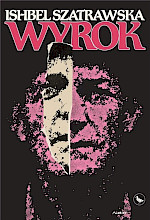
Wyrok
Two scoundrels were ordered to execute a snitch. Wandering through the mountains and villages, they are hunted by their past. A dreamlike parable set in a brutal world with characters grasped by their own fear.
Written in Polish by Ishbel Szatrawska
7 minutes read
Iskreno, ljubica, briga me
Translated from
Czech
to
Slovenian
by Vesna Dragar
Written in Czech by Lucie Faulerová
7 minutes read
Коридор (Peninsula)
Translated from
Dutch
to
Bulgarian
by Elissaveta Manolova Maciel
Written in Dutch by Lieven Stoefs
7 minutes read