View all filters
Clear








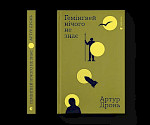
Hemingway weet helemaal niets
Translated from
Ukrainian
to
Dutch
by Roman Nesterenco
Written in Ukrainian by Artur Dron
13 minutes read
Automobiel uit het oude Griekenland
Translated from
Czech
to
Dutch
by Annette Manni
Written in Czech by Ondrej Macl
11 minutes read

Една истинска къща
Облекчението, което Ернест изпитва, когато баща му се самоубива, ще трае съвсем кратко. Скоро той ще открие, че раните от миналото му, онези, които е смятал за забравени, са по-отворени от всякога.
Възможността да живее в „истинска къща“, както той нарича дома, който наследява, съживява желанието, което го съпътства още от детството: да създаде идеалното семейство. Въпреки това неспособността му да разбере майка си и съпругата си, които настояват да поемат контрола над живота си, постоянното влияние на баща му и появата на стара любов ще разклатят основите на настоящето му – онези, върху които Ернест възнамерява да изгради новата си идилична реалност.
Както дълбоката и съвременна тематика, така и дозата хумор карат „Една истинска къща“ да се откроява като роман с нарастващо психологическо напрежение, който е едновременно близък и динамичен.
Translated from
Spanish
to
Bulgarian
by Ivana Peneva
Written in Spanish by Ianire Doistua
9 minutes read
Dnevnik
Written in Slovenian by Mirt Komel
9 minutes read
No den comida a los monos
Written in Spanish by Roberto Osa
7 minutes read
Sín titulo
Translated from
Portugese
to
Spanish
by Sara De Albornoz Domínguez
Written in Portugese by Daniela Costa
8 minutes read

Ти нічого про мене не знаєш
Translated from
Italian
to
Ukrainian
by Olena Roman
Written in Italian by Raffaele Cataldo
3 minutes read
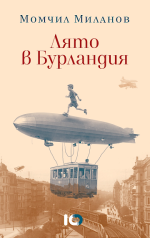
Vară în Burlandia
Ştern, un băiat de opt ani, locuiește în Greystad. Tatăl său este diplomat, iar mama sa, o artistă introvertită, se izolează tot mai mult în sine însăși. Deși nu este menționat explicit, cititorul realizează de la început că părinții lui Ştern sunt în divorţ. Își face apariția mătușa Ema (sora unui prieten apropiat al tatălui lui Ştern, un tânăr colonel ambițios din armată), care trebuie să aibă grijă de băiat cât timp tatăl său se află într-o delegație în străinătate. Acesta îi promite lui Ştern că se va întoarce pentru ziua lui de naștere, chiar înainte de Crăciun, însă curând devine clar că respectarea acestei promisiuni este foarte dificilă, la fel ca și situația politică din țară. Greystad seamănă suspect de mult cu Sofia, dar ar putea fi la fel de bine orice altă capitală din Europa Centrală sau de Est. De asemenea, rămâne neclar când anume se desfășoară povestea –pe tot parcursul narațiunii sunt presărate diverse referințe la anii ’30, ’40, sfârșitul anilor ’80 sau chiar la prezent. Acest lucru creează o atmosferă onirică de déjà vu și déjà vécu, evocând impresia că istoria memoria și trauma se repetă. Romanul împletește fire narative paralele și aluzii la teme precum populismul, organizațiile paramilitare de extremă dreaptă și efectele periculoase ale rețelelor sociale.
Cartea începe cu câteva evenimente aparent fără legătură între ele, petrecute în Greystad. În diferite case din oraș, în mod aleatoriu, încep să dispară pantofi; un aristocrat misterios, cu planuri ambițioase, sosește cu dirijabilul său. Reședința sa zburătoare rămâne să plutească amenințător deasupra orașului, întruchipând astfel sentimentul de amenințare și neliniște care se instalează în aer. Baronul are un plan viclean, care va fi dezvăluit mult mai târziu: să fure visele locuitorilor din Greystad.
„Primul roman al scriitorului bulgar este una dintre senzațiile sezonului literar, undeva între o poveste despre maturizare și o fabulă politică.”— Libération, Franța
„O întoarcere veselă-întunecată-dulce-sărată a unui adult la copilărie.”— Kristin Dimitrova, scriitoare, Ziarul literar
Dificil de definit din punct de vedere al genului, „Vară în Burlandia” conține, de fapt, elemente de fantasy, roman istoric, basm și poveste de aventuri cu un personaj negativ demonic. Tocmai posibilitatea evadării – acest orizont personal luminos – face cartea lui Milanov atât de blândă și ușor de citit. Deși acțiunea se desfășoară sub umbra apăsătoare a dirijabilului care planează deasupra orașului, nu este nimic înfricoșător sau fără speranță în ea. Este un roman strălucitor despre joacă și cum să calci în picioare răul.— Yulia Rone, Toes
Translated from
Bulgarian
to
Romanian
by Maria Andrei
Written in Bulgarian by Momchil Milanov
10 minutes read
Je to v pořádku
Translated from
Dutch
to
Czech
by Veronika Horáčková
Written in Dutch by Aya Sabi
6 minutes read
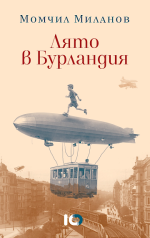
Het ministerie van dromen
Translated from
Bulgarian
to
Dutch
by Kieran Van Overwaele
Written in Bulgarian by Momchil Milanov
11 minutes read
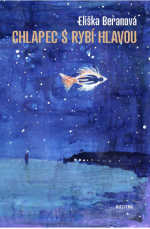
Момчето с рибята глава
Translated from
Czech
to
Bulgarian
by Katerina Stoyanova
Written in Czech by Eliška Beranová
8 minutes read
Il ragazzo con la testa di pesce
Translated from
Czech
to
Italian
by Marco Maria Baù
Written in Czech by Eliška Beranová
9 minutes read
De regresso a casa
Translated from
Italian
to
Portugese
by Vasco Gato
Written in Italian by Fabrizio Allione
9 minutes read
Fiori di loto che si chiudono (quando ci si entra) (La via del perceptionist)
Translated from
Serbian
to
Italian
by Katarina Mitić
Written in Serbian by Nikola Lekić
8 minutes read
Cerul să fie senin
Translated from
Spanish
to
Romanian
by Oana-Dana Balaş
Written in Spanish by Matías Candeira
6 minutes read
Cum vom rămâne mai puțini
Translated from
Dutch
to
Romanian
by Cătălina Oșlobanu
Written in Dutch by Rebekka de Wit
9 minutes read
Звірі
Translated from
Dutch
to
Ukrainian
by Larysa Dobra
Written in Dutch by Gijs Wilbrink
8 minutes read
Izgubljanje
Translated from
Polish
to
Slovenian
by Sara Hočevar Mucić
Written in Polish by Barbara Woźniak
9 minutes read

І якщо всі забудуть
«І якщо всі забудуть» — це історія про ідентичність, чужість і нерозуміння, перший роман Сельми Скендерович, лауреатки фестивалю молодої літератури “Urška Festival” 2020.
«І якщо всі забудуть» — це роман дорослішання та пошуку ідентичності, який продовжує питання, що їх авторка ставила в дебютній збірці короткої прози «Чому мовчиш, Єво?». Першоосібна інтимна розповідь молодої студентки про історію класового сорому, наслідків сімейного насильства, досвіду відчуження та проблем з ідентичністю. Як жити, коли ти чужий і «тут», і «вдома»?
Translated from
Slovenian
to
Ukrainian
by Yuliia Stankevych
Written in Slovenian by Selma Skenderović
7 minutes read

Мълчанието на Алексито
„Изчезването на един от нас не влиза в новините, защото не е новина. Останалият свят не мисли за теб – нито когато смъркат кокаина ти, нито когато носят дрехите, които си ушил, нито когато те изгонят от страната.“
Това е историята на Алекс, затворено момче, бежанец от Мексико, който започва стаж в нидерландски университет и се опитва да спаси онова, което може да се спаси. За да живее, той трябва да говори; за да оцелее, трябва да мълчи. „Мълчанието на Алексито“ е завладяващ роман за затворените граници и безграничната смелост, за силата на езика и размитата граница между извършители и жертви. Всички герои в тази книга са измислени. Фактите не са.
Книгата е резултат от дългогодишни проучвания и истории на бежанци или депортирани лица, специалисти в областта на бежанското право, преподаватели от различни (мексикански) университети, психолози и травма терапевти, активисти за човешки права, журналисти, хора в нелегалност, извършители и жертви на насилие от картели или банди. Романът хвърля светлина върху влиянието на правителствата върху гражданите, както и върху насилието, свързано с разпространението на наркотици и сексуалните посегателства. Тази завладяваща история разкрива сложните взаимоотношения между „държавите, използващи наркотици“ като Мексико и Европа – континент, който все повече отваря границите си за търсещите убежище, а същевременно е основен транзитен пункт и потребител на кокаин.
„Майсторски написан роман. В някои моменти не успявах да сдържа сълзите си. Остър, емоционален и разтърсващ. Надявам се цяла Нидерландия да прочете тази книга.“ — Ники Декер (писателка, CELA #2)
„Завлавяващ, феноменален роман. Марьолейн Висер открехва завесата зад изключително мощните мексикански наркокартели.“ — Лекс Болмейер, de Correspondent
Translated from
Dutch
to
Bulgarian
by Elissaveta Manolova Maciel
Written in Dutch by Marjolein Visser
8 minutes read