View all filters
Clear








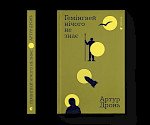
Гемінґвей нічого не знає
Ця книга короткої прози — свідчення солдата про досвід великої війни. Віра на фронті, братерство між військовими, страх і надія, смерть і Любов. Автор пропрацьовує власні травматичні спогади, але текст може стати психотерапією не лише для нього, а й для читачів. Автор говорить про себе, переповідає реальність та сни, але передовсім фіксує життя на межі. Розповідає про людей великої Любові, на яких все й тримається. Тут обʼявляється Господь Окопний, починається Найновіший Завіт, стає опорою українська культура в рюкзаку, а визнані метри воєнної літератури не витримують випробування реальністю. Їм про нас, українців, нічого не відомо. Про себе можемо говорити тільки ми, бо на Східному фронті все змінилось. І Артур Дронь говорить про це відверто і прямо. Як говорять ті, які були на межі. І повернулися.
Written in Ukrainian by Artur Dron
9 minutes read
Domani
Translated from
Portugese
to
Italian
by Elisa Rossi
Written in Portugese by Patrícia Patriarca
8 minutes read
Morgen
Translated from
Portugese
to
Dutch
by Finne Anthonissen
Written in Portugese by Patrícia Patriarca
9 minutes read
Het dilemma van de bruine paraplu Eerste deur rechts Niets
Translated from
Romanian
to
Dutch
by Jan Willem Bos
Written in Romanian by Anna Kalimar
10 minutes read
O reencontro
Translated from
Romanian
to
Portugese
by Cristina Visan
Written in Romanian by Alexandru Potcoavă
9 minutes read
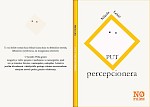
Lotosové květy, které se zavírají (když se do nich vstoupí) (Cesta recepčního)
Translated from
Serbian
to
Czech
by Věra Böhmová
Written in Serbian by Nikola Lekić
6 minutes read

Žive meje
Translated from
Polish
to
Slovenian
by Sara Hočevar Mucić
Written in Polish by Maria Karpińska
10 minutes read
Very Important Person
Translated from
Slovenian
to
Spanish
by Xavier Farré
Written in Slovenian by Andraž Rožman
10 minutes read

Sulinin glas
Translated from
Dutch
to
Slovenian
by Lucija Janc Novak
Written in Dutch by Anneleen Van Offel
6 minutes read
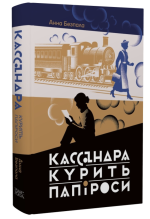
Кассандра курить папіроси
У Києві в січні 1918-го майбутнє втрачає певність, а Кассандра втрачає віру у власні пророцтва. Та мало хто усвідомлює глибину катастрофи, що на них чекає. Усю складність становища розуміє Наталя, медсестра Кирилівської лікарні для душевнохворих і донька її пацієнта з дивним ім’ям Кася, з якою Наталі випало шукати дорогу з майже оточеного більшовиками Києва.
Наталя пише щоденник, фіксуючи події та описуючи різних мешканців тогочасної столиці: від ексцентричних театралок до солдатів УНР та більшовицьких агітаторів. І в деяких моментах Київ понад сторічної давності може нагадати сучасний. Врешті Наталя стикнеться з одвічною дилемою війни: «Лишитись тут і боротись чи поїхати?».
Written in Ukrainian by Anna Bezpala
9 minutes read
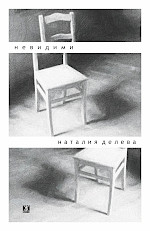
Невидими
Невидими е роман за неприемането на различните, в който деца съчиняват родителите си. Млада жена, отраснала в Дом за изоставени деца, се опитва да превъзмогне травмите от детството си. След поредица от раздели среща Дара – изоставено дете, в което разпознава себе си като малка. Привързва се към нея и решава на всяка цена да намери начин да й подари живота, който тя самата никога не е имала. Това е роман за хората в периферията на обществото. Различни сюжетни линии се преплитат, за да разкажат една обща история: на невидимостта.
Written in Bulgarian by Nataliya Deleva
10 minutes read
Голос Суліни
Translated from
Dutch
to
Ukrainian
by Olga Bondarenko
Written in Dutch by Anneleen Van Offel
6 minutes read
Very Important Person
Translated from
Slovenian
to
Romanian
by Paula Braga Šimenc
Written in Slovenian by Andraž Rožman
10 minutes read
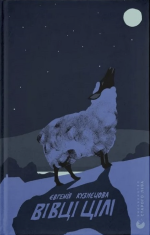
Овцете са цели
Translated from
Ukrainian
to
Bulgarian
by Dayana Gocova
Written in Ukrainian by Eugenia Kuznetsova
5 minutes read
Żywopłoty (The Hedges)
“Debiut Karpińskiej to opowiadania pisane Gombrowiczem, ale fajniejsze, bo o ludziach z naszych ulic” Olga Hund
Opis okładkowy:
Żywopłoty to historia człowieka, którego tożsamość zbudowana jest na narracji – istnieje tylko wtedy, gdy opowiada, dlatego jego dzieje rozpisane są niczym dzieje świata, który on szczelnie wypełnia.
Żywopłoty – z ich odrealnieniem, a jednocześnie koncentrancją na zwykłych, prostych codziennych sprawach – układają się w rodzaj baśni. To baśń o tym, co w życiu najważniejsze.
Poszczególne mikrohistorie można poznawać osobno i przy każdej na nowo odkrywać perspektywy i wymiary człowieczeństwa. Czyta się je – jak utwory najlepszych autorów czeskich, takich jak Pavel czy Hrabal – jak rzecz niewymuszoną, trochę spoza literackiego świata, nieosadzoną w konkretnej rzeczywistości i czasie.
Written in Polish by Maria Karpińska
9 minutes read
Fiori di loto che si chiudono (quando ci si entra) (La via del perceptionist)
Translated from
Serbian
to
Italian
by Katarina Mitić
Written in Serbian by Nikola Lekić
8 minutes read
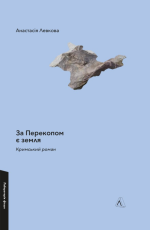
Bajo el cielo de Crimea
Translated from
Ukrainian
to
Spanish
by Alina Petryk
Written in Ukrainian by Anastasia Levkova
9 minutes read

Nikdo není jako ty (Létající lidé)
Translated from
Slovenian
to
Czech
by Petra Janků
Written in Slovenian by Ajda Bračič
7 minutes read
Цветове на лотос, които се затварят (когато влезеш в тях) (Пътят на перцепциониста)
Translated from
Serbian
to
Bulgarian
by Tsvetomira Mladenova
Written in Serbian by Nikola Lekić
6 minutes read
Een paar verdwaalde minuten
Translated from
Romanian
to
Dutch
by Charlotte van Rooden
Written in Romanian by Cristina Vremes
10 minutes read