View all filters
Clear








Odpadlice
Translated from
Italian
to
Czech
by Anna Kostková
Written in Italian by Valeria Usala
8 minutes read
Fant z ribjo glavo
Translated from
Czech
to
Slovenian
by Aleš Belšak
Written in Czech by Eliška Beranová
8 minutes read
Sempre vivemos nesta aldeia
Translated from
Spanish
to
Portugese
by Miguel Martins
Written in Spanish by Aixa De la Cruz Regúlez
5 minutes read
Starogrški avtomobil
Translated from
Czech
to
Slovenian
by Vesna Dragar
Written in Czech by Ondrej Macl
9 minutes read
Elogio do Furacão
Translated from
Spanish
to
Portugese
by Miguel Martins
Written in Spanish by Alejandro Morellón Mariano
4 minutes read
Albero mostro bambino albero
Translated from
Spanish
to
Italian
by Valeria Parlato
Written in Spanish by Mariana Torres
9 minutes read
Отхвърлената
Translated from
Italian
to
Bulgarian
by Brigitte Mancuso
Written in Italian by Valeria Usala
9 minutes read
Oh, ragazze (It’s Both Heaven and Hell Here. Moldova: a Century of Lived History)
Translated from
Romanian
to
Italian
by Barbara Pavetto
Written in Romanian by Paula Erizanu
8 minutes read
Присъда
На двама негодници е наредено да екзекутират доносник. Скитайки се из планини и села, те са преследвани от собственото си минало. Онирична притча, развиваща се в един жесток свят, с герои, обзети от собствения си страх.
Translated from
Polish
to
Bulgarian
by Evgenia Geneva
Written in Polish by Ishbel Szatrawska
8 minutes read
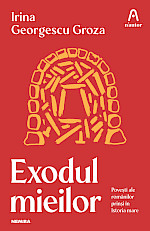
Exodul mieilor (The Exodus of The Lambs)
Ficțiunea istorică „Exodul mieilor” pornește de la urmările masacrului comis asupra unei comunități din vestul României, imediat după semnarea Dictatului de la Viena, în anul 1940. Începutul celui de-Al Doilea Război Mondial îi găsește pe Domnica și pe frații Romi și Miculuș la castelul familiei Teleki, acolo unde muncesc ca servitori. Imediat ce află că satul lor a fost atacat, ei pornesc la drum pentru a-și salva mama. Doar că singura cale de scăpare de trupele horthyste înarmate este rețeaua de tuneluri subterane săpate între cetățile Transilvaniei (la începutul cărții există o hartă a acestei rețele), în care refugiații români își caută familiile și calea spre libertate. În Subtărâm au loc confruntări de tot felul, pentru că nu toate galeriile au fost finalizate, proviziile din cămări lipsesc, iar o iscoadă trimisă de maghiari strecoară la interior un sac cu dinamită. În paralel cu drama refugiaților se împletește și povestea de dragoste dintre Romi și Domnica, care se rătăcesc unul de celălalt. Domnica rămâne ostatică într-un cătun locuit de un grup de spioni ruși, în timp ce Romi e urmărit de fiul contelui Teleki și de soldații acestuia.
„Exodul mieilor” nu este doar o poveste alertă despre drumuri și hotare, ci și genul de roman care deschide dialoguri pe teme precum exilul, memoria colectivă și drepturile femeilor, îndemnându-ne la final să ne întrebăm: ce preț suntem dispuși să plătim pentru libertate și ce moștenire alegem să lăsăm generațiilor viitoare?
Written in Romanian by Irina Georgescu Groza
11 minutes read
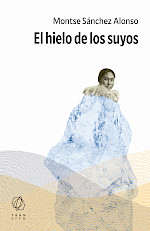
Lód jej rodu
Rok 1921, Nome, odległa osada na Alasce. Ada Blackjack, młoda Inupiatka, postanawia zostawić swojego chorego na gruźlicę syna Bennetta w sierocińcu i wrócić po niego, gdy tylko znajdzie sposób, by ich utrzymać. Wkrótce spada jej z nieba okazja na zarobek: do Nome przybija statek z Seattle, a na jego pokładzie znajduje się czterech spragnionych przygód i żądnych kolonialnej władzy odkrywców oraz kotka Vic. Mężczyźni chcą udać się na wyspę Wrangla, do ostatniego siedliska mamutów, by przyłączyć te ziemie do Imperium Brytyjskiego. Poszukują kobiety, która dołączy do ich wyprawy, by im gotować i szyć ubrania. Właśnie w ten sposób Ada, ignorując przepowiednie szamana, wyrusza na arktyczną ekspedycję. Zaledwie kilka miesięcy później wszyscy mężczyźni giną i kobieta jest zmuszona przetrwać na wyspie sama, za jedyną towarzyszkę mając kotkę Vic. By przeżyć, musi nauczyć się żyć wśród przyrody Arktyki i odzyskać tłumioną przez lata kolonializmu tożsamość Inupiatki. W trakcie tej metamorfozy zmierzy się z lodem Arktyki oraz z samą sobą, z głodem, z mitycznym władcą niedźwiedzi Nanukiem i ze śmiercią Boga. Gdy dotrze po nią ratunek, będzie musiała zastanowić się, czy wrócić do domu. Po co miałaby próbować ocalić swojego syna, jeśli kolonialny reżim nigdy nie pozwoli mu się cieszyć wolnością i równością? Czy jest dobrą matką, skoro wracając, ryzykuje trafienie do niewoli? Ada ostatecznie decyduje się popłynąć z powrotem do Nome, by Bennett poznał inupiacką czułość i lód jej rodu.
„Czasem trzeba przedrzeć się przez lód, by dotrzeć do płomienia życia: fantastyczna przygoda, zarazem osobista, jak i uniwersalna, bardzo ludzka; opowieść o dekolonizacji i sile przetrwania. Hołd dla siły kobiety i siły samej natury.” GABRIELA CABEZÓN CÁMARA
„Wybór postaci tak znaczącej dla kontekstu naszych czasów; opisy skrajnych sytuacji rozgrywających się na przecięciu płci, klasy, rasy, gatunku; temat przemocy wobec ciała i kultur, cienkiej granicy pomiędzy przygodą, odkryciami a kolonialną przemocą; badanie zależności pomiędzy wiedzą a pieniędzmi…To wszystko sprawia, że ta powieść, jednocześnie klasyczna, jak i nowatorska, jest fenomenalna.” MARTA SANZ
Translated from
Spanish
to
Polish
by Justyna Sterna
Written in Spanish by Montserrat Sánchez
7 minutes read
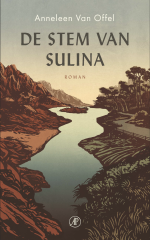
De stem van Sulina
Een lyrische roman over de geboorte van een moeder, zwervende zielen en de ziel van het zwerven, geschreven met de stuwende kracht van een wereldrivier.
Terwijl een donkere schaduw over de weerkaarten van Midden-Europa glijdt, reist een vrouw in een busje langs de oevers van de Donau, van de bron in het Zwarte Woud tot de monding in de Zwarte Zee. Welke stemmen stijgen op uit de rivier?
Archeologische opgravingen en eeuwenoude verhalen, confronterende vragen en dromen, lichamelijke transformaties en vergeten vrouwen geven richting aan de mentale reis van een jonge schrijfster die moeder wordt.
Written in Dutch by Anneleen Van Offel
7 minutes read
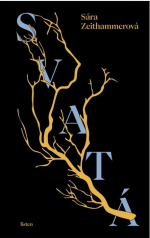
Свята
Життя вдови-шинкарки Алоїзії перевертається з ніг на голову, коли її доньці Крісті являється в лісі Діва Марія. І хоча крім Крісти її більше ніхто не бачив, звістка про об’явлення швидко розходиться між людей і до всіма забутого краю починають стікатися натовпи паломників. Шинок, який не вилазив з боргів, нарешті процвітає. Місцеві Крісту водночас і боготворять, і ненавидять. Сама Алоїзія не знає, на чий бік пристати. Її донька брехуха чи провидиця? Чи справді в лісі явилася Матір Божа, чи щось набагато страшніше? Ця історія про любов, віру та безмежну волю заснована на реальних подіях, які відбулися в дев’ятнадцятому столітті в околицях чеського Броумова.
Translated from
Czech
to
Ukrainian
by Olha-Anastasiia Futoran
Written in Czech by Sára Zeithammerová
9 minutes read
De jongen met het vissenhoofd
Translated from
Czech
to
Dutch
by Lysanne Aarsman
Written in Czech by Eliška Beranová
10 minutes read
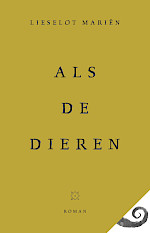
Наче звірі
Translated from
Dutch
to
Ukrainian
by Olga Bondarenko
Written in Dutch by Lieselot Mariën
7 minutes read
Am trăit în satul ăsta dintotdeauna
Translated from
Spanish
to
Romanian
by Silvia Alexandra Ștefan
Written in Spanish by Aixa De la Cruz Regúlez
5 minutes read
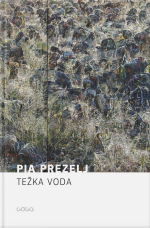
Težka voda
V svetu, ki ga naseljujejo Ida, Marta, Tone in Lojze, na vrtovih gnijejo paradižniki, na nočnih omaricah ždijo nagačeni zajci, krave pa je treba slej kot prej ustreliti med oči. Nič čudnega, če na blatni zemlji komu usodno spodrsne ali pa mu glavo spešta kakšno drevo; Gospod vendarle daje in jemlje, povrh vsega pa še odpušča.
V romanu Težka voda, svojstveni anatomiji krivde, ki prelamlja s tradicijo slovenske povesti, se drobci iz življenja starejše protagonistke Ide med posledicami zamolčane preteklosti in neizživete prihodnosti postopoma sestavljajo v okrušeno celoto. Ta v ekspresivnem, dovršenem slogu razkriva predvsem bridko resnico o prepletenosti življenj znotraj manjše vaške skupnosti, kjer se vse zdi na dlani, pa vendar skrivnost rojeva nove skrivnosti.
Written in Slovenian by Pia Prezelj
9 minutes read
Elogio dell’uragano
Translated from
Spanish
to
Italian
by Ilaria Garelli
Written in Spanish by Alejandro Morellón Mariano
4 minutes read
Renegata
Translated from
Italian
to
Romanian
by George Doru Ivan
Written in Italian by Valeria Usala
9 minutes read
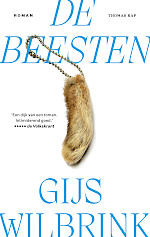
Bestie
„Nechci moc prozrazovat, ale podle mě se to s Tomem Kellerem pokazilo už tehdy, když ho jeho dva strýcové vzali v noci do lesa a nechali ho dělat věci, které by devítiletý chlapec ještě dlouho dělat neměl.“
Tak začíná debutový román Gijse Wilbrinka Bestie. Příběh se odehrává ve východní části Nizozemska mezi motorkami, pytláky, chovy norků a kšefty, které nesnesou denní světlo. V mystickém pohraničí plném tajemství vyrůstá Tom Keller, nejmladší z potomků v okolí nechvalně známé rodiny, který dostal do vínku talent pro motokros. Když po letech najednou zmizí, vydá se ho do rodného kraje hledat jeho svéhlavá dcera a výsledkem je dramatické rodinné znovushledání.
Translated from
Dutch
to
Czech
by Klára Němcová
Written in Dutch by Gijs Wilbrink
7 minutes read