View all filters
Clear








Dům v Haifě
Translated from
Slovenian
to
Czech
by Kateřina Honsová
Written in Slovenian by Andraž Rožman
8 minutes read

Омагьосване на змии в горещите вечери
История на млада жена, която се скита из сюрреалистична Варшава в скъсана сватбена рокля. Тя е изцапана със златна боя, вместо чанта държи бутилка вино, а в корсета си крие откраднат предмет. Завръщането ѝ у дома е затруднено от апокалиптичната жега и облака черен дим, който се носи над града.
Хората, които среща по пътя си, са дори по-изненадващи от времето в столицата. Амброжи иска да създаде шедьовър, макар че му липсва талант. Рамона се грижи за дланите на клиентките си комплексно: прави маникюр и гледа на ръка. Стефан твърди, че е албинос – или поне една част от тялото му е такава. Разговорите с тях са повод да разкаже за себе си и за преживяванията си. Или по-скоро: за личността, в която се превъплъщава в момента, тъй като истинското име на героинята докрай остава тайна. Знаем само псевдонима ѝ – тя се представя като камгърл Вайълет Лав пред мъжете, които ѝ плащат, за да изпълнява техните фантазии, при това не само сексуални.
„Изненадана съм от този дебют: Жарув е написала сложна, заплетена и изключително чувствена книга, в която всяко изречение е добре обмислено и необходимо. Пъзелът, разпръснат от авторката в „Омагьосване на змии...“, може да бъде сглобен отново в една не особено приятна картина – може би, в духа на Дейвид Линч, не всички елементи ще паснат на мястото си, може би в ръката ни ще остане портрет на облечен в черно човек от крайградска спирка или парче от счупено огледало. Но през лабиринта на тази история минава нишка, която помага да се открие смисълът. Трябва да се следва категорията на погледа и властта. Кой е по-силен? Човекът, който гледа, или този, който играе пред нечий поглед?“ Олга Врубел
Translated from
Polish
to
Bulgarian
by Evgenia Geneva
Written in Polish by Małgorzata Żarów
10 minutes read
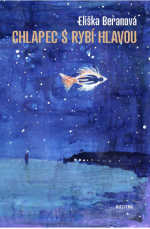
Chłopiec z rybią głową
Translated from
Czech
to
Polish
by Paulina Zając
Written in Czech by Eliška Beranová
8 minutes read
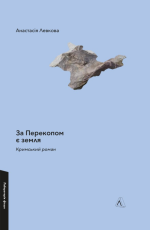
Er is nog land voorbij de Perekop
Translated from
Ukrainian
to
Dutch
by Roman Nesterenco
Written in Ukrainian by Anastasia Levkova
12 minutes read
Een paar maanden later
Translated from
Slovenian
to
Dutch
by Staša Pavlović
Written in Slovenian by Andraž Rožman
11 minutes read
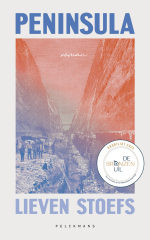
Коридор (Peninsula)
Translated from
Dutch
to
Bulgarian
by Elissaveta Manolova Maciel
Written in Dutch by Lieven Stoefs
7 minutes read
Vezi
Translated from
Dutch
to
Slovenian
by Ariela Herček
Written in Dutch by Hannah Roels
7 minutes read
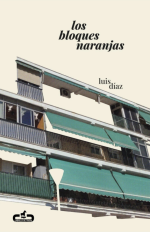
Оранжевите блокове
Translated from
Spanish
to
Bulgarian
by Ivana Peneva
Written in Spanish by Luis Díaz
8 minutes read
Un’automobile dell’antica Grecia
Translated from
Czech
to
Italian
by Elena Zuccolo
Written in Czech by Ondrej Macl
12 minutes read
cihlové bloky
Translated from
Spanish
to
Czech
by Markéta Cubrová
Written in Spanish by Luis Díaz
7 minutes read
Bajo el cielo de Crimea
Translated from
Ukrainian
to
Spanish
by Alina Petryk
Written in Ukrainian by Anastasia Levkova
9 minutes read
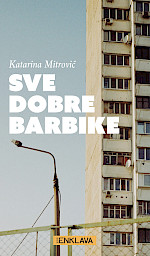
Všechny dobré barbíny
Translated from
Serbian
to
Czech
by Věra Böhmová
Written in Serbian by Katarina Mitrović
10 minutes read
Bestie voi tutte dei campi
Translated from
Spanish
to
Italian
by Ilaria Garelli
Written in Spanish by Adriana Murad Konings
8 minutes read
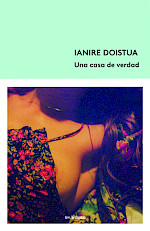
Una casa de verdad
El alivio que siente Ernest cuando su padre se suicida durará muy poco. Pronto descubrirá que las heridas de su pasado, aquellas que creía olvidadas, están más abiertas que nunca.
La oportunidad de vivir en una casa de verdad, como llama él a la casa que hereda, hace resurgir el deseo que lo acompaña desde de niño: formar una familia ideal. Sin embargo, la incapacidad para comprender a su madre y a su esposa, quienes insisten en tomar el control de sus vidas, el constante influjo de su padre y la reaparición de un viejo amor harán que se tambaleen los cimientos de su presente, aquellos sobre los que Ernest pretende construir su nueva e idílica realidad.
Tanto su temática profunda y contemporánea como sus toques de humor hacen que Una casa de verdad destaque como una novela de creciente tensión psicológica a la par que cercana y dinámica.
Written in Spanish by Ianire Doistua
9 minutes read
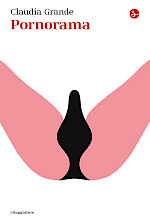
Pornorama
Tento příběh je pavučina přetrhaných vláken: když se podaří zachytit jedno, ostatní se vysmeknou. Je to příběh znepokojivé série úmrtí v prostředí pornografického průmyslu mezi Římem, Milánem a Turínem, ale zároveň i příběh vyšetřování, které vede vrchní inspektorka Vittoria De Feo. Je to příběh o tom, jak se dvojice dvacátníků, Bet a Teo, vydá po téže stopě ve snaze získat materiál, který by znovu nakopl jejich blog, a také příběh bulvárního novináře, jenž se snaží získat životní senzaci. Kolem jejich komplikovaného pátrání se pohybuje surrealistický sbor groteskních postav: chirurgové, kteří bohatnou prodejem erotických pomůcek modelovaných podle anatomie mrtvých pornohvězd, ďábelští právníci vodící koncipienty na vodítku, forenzní analytici snažící se prorazit jako youtubeři, bývalí herci z dětských pořadů upadlí v nemilost, psychiatři převlékající se během sezení za avokádo, upovídané influencerky sjeté kokainem, slizcí manažeři pornohereček. To vše doprovázené a okořeněné syntetickými drogami a smlouvami o podřízenosti, useknutými rukami a citronovými koláči, domácími králíky a trashovými pořady, sklady Ikea a pornografickými filmovými studii. Za zdánlivě čistou detektivní linií se rozvíjejí podoby pornografie bytí, v níž už dnes neexistuje nic obscénního.
Translated from
Italian
to
Czech
by Anna Kostková
Written in Italian by Claudia Grande
8 minutes read
Fant z ribjo glavo
Translated from
Czech
to
Slovenian
by Aleš Belšak
Written in Czech by Eliška Beranová
8 minutes read
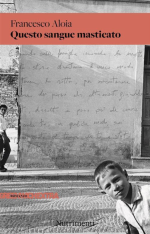
Esta sangre masticada
Translated from
Italian
to
Spanish
by Camila Ramírez
Written in Italian by Francesco Aloia
10 minutes read
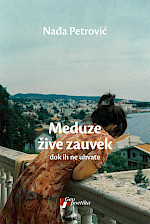
Meduze živijo za vedno, dokler jih ne ujamejo
Sara je šele dopolnila devetnajst let in zaradi potlačene travme iz preteklosti čuti vse močnejši strah, da bo v tistem letu umrla. Zato tisto, kar bi moralo biti najbolj brezskrbno poletje njenega življenja, med srednjo šolo in fakulteto, preživlja v senci tesnobe. Z družbo hodi v alternativne klube, poskuša se pobotati z nekdanjim fantom Viktorjem, veliko pije in si želi, da bi jo vsi opazili, čeprav je v resnici zadržana. Vse se spremeni, ko Sara v temnem prostoru kluba doživi svoje prvo videnje, v katerem travma iz preteklosti oživi – ponovno sreča devetnajstletno sestrično Laro. Sara se naslednje jutro zbudi z mravljinci v roki, ki se širijo, in Sara odkrije, da ima neimenovano bolezen, s katero bo normalno živela, vendar jo bo za vedno spremljala. Ko Sara dobi prvi indic, da je njen strah pred smrtjo upravičen, se začne panično ukvarjati z analizo tega pojma, svojega telesa kot nečesa krhkega in minljivega, in skozi ta razmišljanja pospešeno odrašča. Začne hoditi na pripravljalni tečaj za študij slikarstva, kjer spozna Tiso in Balšo, onadva sta ekscentrična in oba sta se v preteklosti srečala s smrtjo, oba imata zakopane travme. Sara v Tisi najde vzornico, v Balšo pa se zaljubi. Skozi odnos z njima se Sara sooča s svojo sedanjostjo, prihodnostjo in preteklostjo – družinsko tragedijo, ki je zaznamovala vse njeno odraščanje, smrt njene sestrične Lare.
»Ranljivo in močno, razigrano in vznemirljivo. Izjemen roman Nađe Petrović se začne kot najstniška drama odraščanja, a hitro se spremeni v vznemirljivo intimno izpoved, vihravo in poetično, obenem pa ganljivo in bolečo. To je zgodba o globoki in temeljni krhkosti, o strahu pred smrtjo, a tudi o strahu pred življenjem.« — Srdan Golubović
»Sarina pripoved, digresivna, pogosto obarvana z lahkim, samokritičnim humorjem, ni stereotipni mladostniški literarni glas. Njene zastranitve se pogosto zgostijo v nenavadne jezikovne podobe, ki dobijo tudi 'zunanjo' ustreznico: s tem, ko ni izbrala čisto stvarne proze, je avtorica v roman vnesla pomembne fantastične motive in celotne sanjske prizore, ki jih je s skladnim in zelo učinkovitim vpletanjem v pripoved izkoristila kot pomembne strukturne elemente celote.« — Izjava žirije v sestavi prof. dr. Jelena Panić Maraš, prof. dr. Predrag Petrović in dr. Tijana Tropin ob podelitvi nagrade Grozdane Olujić za najboljšo prozno knjigo leta 2023
Translated from
Serbian
to
Slovenian
by Natalija Milovanović
Written in Serbian by Nađa Petrović
10 minutes read
Не всі ми підемо до раю
Translated from
Polish
to
Ukrainian
by Julia Stakhivska
Written in Polish by Olga Górska
6 minutes read
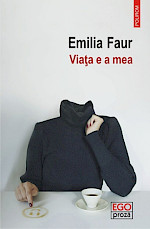
Dit leven is van mij
Translated from
Romanian
to
Dutch
by Charlotte van Rooden
Written in Romanian by Emilia Faur
9 minutes read