View all filters
Clear








Кінець
Translated from
Polish
to
Ukrainian
by Julia Stakhivska
Written in Polish by Marta Hermanowicz
11 minutes read
Нарушаване на действието
През седемдесетте години „Човекът къртица“ Уилиам Литъл изкопава в тунела под къщата си изречение, което необратимо ще повлияе на хода на историята на света. „Нашите животи вече не ни изглеждат струват като истории.“ Протагонистката на автофикционалния роман е тридесет и тригодишната Ема, която се опитва да открие чешките си корени, да приеме смъртта на майка си и да намери отговори на въпросите, свързани с изчезването на партньорката си. Историята около нея не се лее – обратното, събира се и разпръсва. Насред разрухата водното равнище катастрофално се покачва, а пожарите се развихрят. Ема си проправя път през руините в опит да се поотдалечи от любовта, в която печели и губи. В разказа ѝ стигаме до края заедно или всеки сам за себе си, историята остава. Също както и въпросът дали разказването може да помогне на човек да се справи с трагичните събития.
Центърът на тежестта в романа е в изследването на възможностите на езика и разказването като инструменти за справяне с болезнени преживявания. Текстът е наситен с колоритни образи – в него се проявяват както уменията на утвърдена поетеса, така и на талантлива писателка. – редакцията на издателство Host
Романът си има собствен ред, ритъм и силно послание. Той дава надежда, че и най-малките илюзии могат да ни спасят от катастрофи. – А2
Translated from
Czech
to
Bulgarian
by Katerina Stoyanova
Written in Czech by Emma Kausc
9 minutes read
Diário de Bordo de Um Último Dia
Translated from
Dutch
to
Portugese
by Pedro Viegas
Written in Dutch by Lotte Lentes
9 minutes read
Una città sconosciuta
Translated from
Czech
to
Italian
by Elena Zuccolo
Written in Czech by Anna Háblová
12 minutes read
Bintu
Bintu, o Bintje para su abuelo, crece en una familia desestructurada en un elevado bloque de pisos en la Bélgica de los años noventa. Su padre viene del Congo y es un fanático religioso, un escritor venido a menos que no encuentra trabajo y que dedica los días a trabajar en sus memorias. Cuanto más se desilusiona, más recurre al alcohol y más agresivo se vuelve en el hogar. A pesar de todo, Bintje lo adora e intenta guiarlo por el buen camino. Sin embargo, cuando comprende que no hay nada que pueda hacer por él, rompe todo contacto.
Treinta años después, Bintje está enferma, en la misma cama. Aún vive en aquel deteriorado bloque de apartamentos y lucha contra sus propias adicciones, separada y extrañada de su hijo. Su trabajo como profesora le da algo a lo que aferrarse, hasta que también pierde el control en clase y se ve obligada a afrontar los traumas de su infancia.
Translated from
Dutch
to
Spanish
by Pablo Martín Sánchez
Written in Dutch by Tuly Salumu
10 minutes read
Jurnalul unei ultime zile
Translated from
Dutch
to
Romanian
by Cătălina Oșlobanu
Written in Dutch by Lotte Lentes
9 minutes read
Bilo je nekoč na Krimu
Translated from
Ukrainian
to
Slovenian
by Rina Pleteršek
Written in Ukrainian by Anastasia Levkova
9 minutes read
Bintje
Translated from
Dutch
to
Czech
by Barbora Genserová
Written in Dutch by Tuly Salumu
8 minutes read
Meine Mutter hat Blumen gezüchtet (Uslovi nisu bitni)
Ljiljana D. Ćuk’s short prose dives into the depths of human emotion, exploring a strong sense of existential despair. With a direct and uncompromising style, Ćuk reveals the struggle to make peace with a world that feels broken, where every part of reality comes with an unsettling sense of disgust. Her writing gives readers a raw and intense experience, confronting the challenge of finding meaning in a universe that seems indifferent.
"The short prose of Ljiljana D. Ćuk is not only exquisite literature, which it undoubtedly is, but also an expression of general despair, the torment of trying to come to terms with anything that exists, as everything existing is mostly seen and experienced as repulsive in itself." (Srdjan Srdić)
Written in Serbian by Ljiljana D. Ćuk
5 minutes read
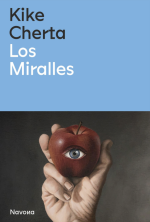
Rodzina Miralles
Translated from
Spanish
to
Polish
by Justyna Sterna
Written in Spanish by Kike Cherta
7 minutes read
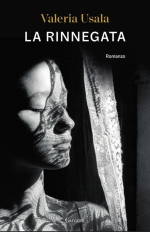
La rinnegata
A story of three generations of women, their courage and search for independence in the face of superstition and prejudice, in the spirit of Natalia Ginzburg and Elena Ferrante. In this striking debut, based on a true story, Valeria Usala bears witness to an age-old story of violence against women and takes us into the heart of rural Sardinia, where superstitions and cruelty coexist with the joys and companionship of a tight-knit community.
Teresa runs a shop and a tavern. But not even the family she has created with the man she loves can protect her from the malicious gossip of jealous locals, who are threatened by her independence. Her own mother, Maria, was made an outcast, and now Teresa is in turn forsaken by the villagers. Will she pay for her success with her life? Is she like a character in Greek tragedy, whose destiny is inevitable? A story that gives voice to the forgotten women of Sardinia—and to the one of women everywhere.
Written in Italian by Valeria Usala
10 minutes read
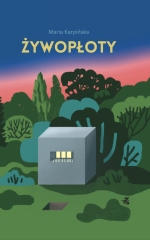
Žive meje
Translated from
Polish
to
Slovenian
by Sara Hočevar Mucić
Written in Polish by Maria Karpińska
10 minutes read
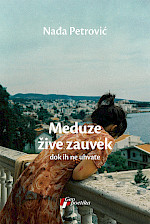
Kwallen leven eeuwig totdat iemand ze vangt
Translated from
Serbian
to
Dutch
by Lena van Tijen
Written in Serbian by Nađa Petrović
12 minutes read
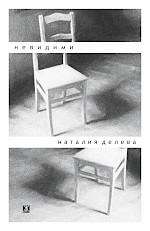
Nevidni
Nevidni je roman o zavračanju drugačnih, v katerem otroci predstavljajo svoje starše. Mlada ženska, odrasla v Domu za osirotele otroke, poskuša premagati svoje travme iz otroštva. Po vrsti ločitev sreča Daro, siroto, v kateri prepozna sebe kot otroka. Naveže se nanjo in se odloči, da bo za vsako ceno našla način, da ji bo omogočila življenje, kakršnega sama nikoli ni bila deležna. Gre za roman o ljudeh z družbenega roba. V njem se prepletajo različne pripovedne linije, ki vse pripovedujejo skupno zgodbo o nevidnosti.
»Roman o ljudeh z družbenega roba, ki vas pusti brez besed.« Georgi Gospodinov, avtor romanov Fizika žalosti in Časovno zaklonišče
»Le malokdo je sposoben brez kančka pretencioznosti poustvariti življenja tistih, ki so izkusili dom za zapuščene otroke, še posebej v času prehoda, njihove nadaljnje usode. Pravzaprav je, bolj splošno gledano, vsak od nas zapuščen otrok, toda tisti, o katerih pripoveduje avtorica, so resnično nevidni na družbenem zemljevidu. Natalija Deleva jim z obrazov odstrani vse klišeje, s katerimi smo jih obtežili. Težka, pomembna, resnično pomembna knjiga.« Marin Bodakov, Kultura
“The narrator in Four Minutes (Невидими) collates excerpts from news articles, listens to her own (internal) voice, to the stories of people she meets on the way, looks into the past, confronts traumas and, pulling the reader out of their comfort zone, asks important questions about our world, about life in exile, about people who are excluded, abandoned, homeless. A beautiful, intricately woven and exciting book.” Wioletta Greg, author of Swallowing Mercury
Translated from
Bulgarian
to
Slovenian
by Maja Kovač
Written in Bulgarian by Nataliya Deleva
10 minutes read
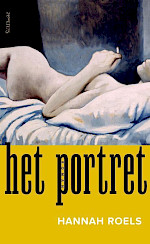
Il ritratto
Translated from
Dutch
to
Italian
by Francesco Panzeri
Written in Dutch by Hannah Roels
6 minutes read
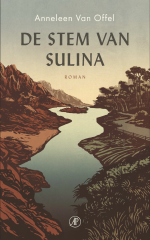
Голос Суліни
Translated from
Dutch
to
Ukrainian
by Olga Bondarenko
Written in Dutch by Anneleen Van Offel
6 minutes read