View all filters
Clear








Un vuiet
Written in Romanian by Lavinia Braniște
8 minutes read
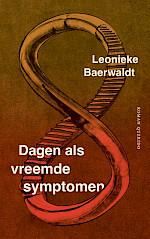
Giorni come strani sintomi
Sisifo vaga per l’inferno spingendo una sedia a rotelle vuota e non sa di preciso che cosa ci faccia lì, eccetto che deve passare a prendere sua figlia – affetta da molteplici disabilità – dal centro diurno. Una missione che fallisce di continuo, e al termine della quale ritorna delusa nel fatiscente appartamento al piano terra di uno stravagante condominio. Quando la sua padrona di casa, apparentemente dal nulla, si mette a conversare con lei, Sisifo inizia di colpo a ricordare.
Giorni come strani sintomi è una lotta contro il tedio, un’indagine sui confini della maternità, della speranza e della disperazione, della vita e della morte.
Translated from
Dutch
to
Italian
by Jessica Rostro Benigno
Written in Dutch by Leonieke Baerwaldt
9 minutes read
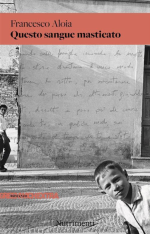
Ta prežvečena kri
Translated from
Italian
to
Slovenian
by Zarja Lampret Prešeren
Written in Italian by Francesco Aloia
9 minutes read
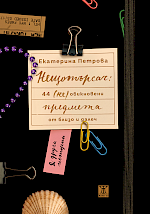
La cercacose: 44 (in)consueti oggetti da vicino e lontano
Come suggerisce il sottotitolo, il libro La cercacose contiene storie su 44 oggetti da vicino e lontano. La curiosa e variegata selezione, ordinata per temi, comprende sorprendenti chicche da tutto il mondo: stivali che arrivano dal Bhutan, mattonelle dai marciapiedi di Barcellona disegnate da Gaudí, bicchieri da vino dai Paesi Baschi, una spilla a forma di cuore da Sarajevo, espradrillas dai Pirenei, scarabei dall’antico Egitto, contenitori della spazzatura da New York, un pezzo del telo arancione proveniente dai The Floating Piers sul lago d’Iseo, un tintinnante drago sloveno, una mappa di Berlino Est e molti altri. Raccontando le storie di oggetti concreti, Ekaterina Petrova in realtà racconta anche dei luoghi da dove provengono – Küstendorf е Kathmandu, Lubiana e Louisiana, Belvedere e Bilbao, Selçuk e Central park – ponendoli contemporaneamente in un più ampio contesto linguistico, storico, antropologico e geografico. Astuta miscela fra diari di viaggio, saggi e racconti, i testi sono attentamente documentati e intessuti di aneddoti curiosi, ma inframmezzati dallo sguardo soggettivo dell’autrice, così come dalla sua personale biografia di viaggiatrice, traduttrice e cercacose. Elaborato artisticamente dall’occhio estetico di Lyuba Haleva, una delle più eminenti illustratrici bulgare contemporanee, l’impostazione grafica del libro è superba e con umorismo coglie l’anima e l’umore delle storie. In questo modo anche il libro stesso diventa un bell’oggetto carico di piacere e gioia, da leggere e rileggere, da avere e regalare.
Translated from
Bulgarian
to
Italian
by Giorgia Spadoni
Written in Bulgarian by Ekaterina Petrova
10 minutes read
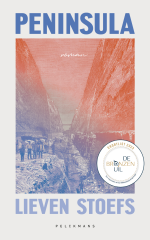
Korytarz (Peninsula)
Translated from
Dutch
to
Polish
by Anna Opara
Written in Dutch by Lieven Stoefs
7 minutes read
Najpierw przychodzi milczeni
Translated from
Romanian
to
Polish
by Aleksander Podgórny
Written in Romanian by Ioana Maria Stăncescu
8 minutes read
Ech, dziewuszki (It’s Both Heaven and Hell Here. Moldova: a Century of Lived History)
Translated from
Romanian
to
Polish
by Aleksander Podgórny
Written in Romanian by Paula Erizanu
6 minutes read
Zujanje
Translated from
Romanian
to
Serbian
by Simona Popov
Written in Romanian by Lavinia Braniște
8 minutes read
Cathedra sau cum se face frișca
Translated from
Dutch
to
Romanian
by Cătălina Oșlobanu
Written in Dutch by Joost Oomen
9 minutes read
Días con síntomas extraños
Sísifo deambula por el infierno con una silla de ruedas vacía y no sabe muy bien qué hace allí, salvo que tiene que recoger a su hija, quien padece múltiples discapacidades, del centro de día. Se trata de una misión que fracasa una y otra vez, tras lo cual regresa decepcionada al destartalado piso de la planta baja de un excéntrico complejo de apartamentos. Cuando su casera, aparentemente de la nada, entabla conversación con ella, Sísifo empieza a recordar ciertas cosas.
Translated from
Dutch
to
Spanish
by Beatriz Jiménez
Written in Dutch by Leonieke Baerwaldt
9 minutes read
Вівці цілі
Навіть коли здається, що час застигає, а земля зупиняється, приходить зима. Сіріє небо, шелестять висохлі трави, мерехтять гірлянди під гул генераторів — більше для світла, ніж для свята. Люди живуть війну як уміють, роблять свій вибір, як можуть: відпустити чи хай там що, аби свої були цілі? Чи стане серця для любові у темну добу? У засніжених очеретах Дніпра, на спустілих вулицях, що стікаються з пагорбів до траси, у темних хатах, де поріг обсипають маком від нечисті, а душі померлих приходять за Різдвяні столи, Яна переступає через дірку в паркані і вплутується у дилеми, де немає ані правильних запитань, ані відповідей, але є Максим, непевність, любов і вівці.
Written in Ukrainian by Eugenia Kuznetsova
4 minutes read
Barbari în Imperiul Roman
Translated from
Italian
to
Romanian
by Nicoleta Iolanda Rus
Written in Italian by Fabio Guidetti
9 minutes read
Ta przeżuta krew
Translated from
Italian
to
Polish
by Amina Niepsuj-Wood
Written in Italian by Francesco Aloia
8 minutes read
Овцете са цели
Translated from
Ukrainian
to
Bulgarian
by Dayana Gocova
Written in Ukrainian by Eugenia Kuznetsova
5 minutes read
Măi, fetelor (It’s Both Heaven and Hell Here. Moldova: a Century of Lived History)
There are few places across Europe which have had the tumultuous story of Moldova in the 20th and 21st centuries. My greatgrandmother, for instance, spent most of her life in the same village while living in four different countries: she was born in the Russian Empire, went to school in Romania, resisted collectivisation and eventually gave in during the Soviet era, and got retired in the independent Republic of Moldova. I share her story in this book, as well as stories of other people with different backgrounds I interviewed, in an effort to create a polyphonic view of Moldova’s recent history. Chronologically, the book starts with the 1903 infamous Chisinau pogrom and it ends with the 2022 refugee crisis caused by the full-scale invasion of Ukraine. Geographically, the stories are rooted in Moldova but they cover the whole world thanks to the processes of migration that characterised all of the communities described in this book — Jewish, Roma, Armenian, Moldovan, Ukrainian, Russian etc. — at different points during history.
Written in Romanian by Paula Erizanu
7 minutes read
Bilo je nekoč na Krimu
Translated from
Ukrainian
to
Slovenian
by Rina Pleteršek
Written in Ukrainian by Anastasia Levkova
9 minutes read
Poznámky k životu Frances Donnellové
Translated from
Spanish
to
Czech
by Martina Kutková
Written in Spanish by Adriana Murad Konings
4 minutes read
Гей, дівчата (It’s Both Heaven and Hell Here. Moldova: a Century of Lived History)
Translated from
Romanian
to
Ukrainian
by Paulina-Ionela Onujec
Written in Romanian by Paula Erizanu
6 minutes read
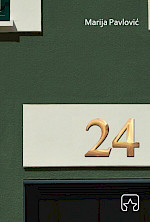
24
Translated from
Serbian
to
Dutch
by Pavle Trkulja
Written in Serbian by Marija Pavlović
10 minutes read
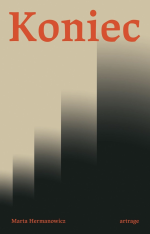
In The End (Koniec)
Metaphysical and blasphemous novel about the tragedy of war that never meets a clean end with a peace treaty. The war goes on, residing within its victims who carry it from one generation to the next.
Malwina, an exceptionally sensitive girl, experiences her grandmother’s wartime memories in her dreams. This makes her exist in two parallel realities at once: the 1940s Eastern borderlands and Siberia along the 1990s Poland. Those realities seep and bleed through one another, making Malwina a catcher of her survivor grandmother’s dreams, or perhaps a dybbuk who gives voice to the dead. To Malwina, the war persists, haunting her day and night alike. Poignant and piercing, Koniec is an impressively well-crafted prose.
Written in Polish by Marta Hermanowicz
10 minutes read