View all filters
Clear








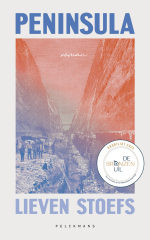
Corridor (Peninsula)
‘Hij bracht zijn gezicht tot vlak bij het hare, sloot zijn ogen en voelde haar lippen meteen tegen de zijne duwen. Een oud lied weerklonk door de straten. Een tel lang hielden elektronen op met suizen, vergat het licht zijn schrikbarende snelheid. In een flits kan een wereld vernield worden. Misschien geldt het omgekeerde ook: een blik, enkele woorden kunnen jarenlang wachten, een lawine aan verdriet verzachten.’
Met elegantie en trefzekere taal schetst Lieven Stoefs in Peninsula een familieportret van vier generaties. Van een trillend been bij een allereerste ontmoeting op een autobus, naar een zoektocht die een halve eeuw later langs een Grieks schiereiland, voetbalvelden en fabrieken schuift. Op indrukwekkende wijze verschijnt een wereld waar liefde en wanhoop onafscheidelijk zijn.
‘Alleen de rimpelingen in het water zien we, nooit de inslag, de steen die het oppervlak raakt.’
Lieven Stoefs is ingenieur en schrijver. Hij groeide op in Griekenland. In zijn schrijven versmelt een wetenschappelijke blik met poëtische taal. Zijn kortverhalen verschenen onder meer in Kluger Hans en Op Ruwe Planken. Peninsula is zijn debuutroman.
Written in Dutch by Lieven Stoefs
7 minutes read
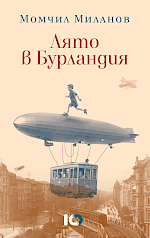
Ministerstvo snů
Translated from
Bulgarian
to
Czech
by Jitka Zárubová
Written in Bulgarian by Momchil Milanov
8 minutes read
O zumbido
Translated from
Romanian
to
Portugese
by Cristina Visan
Written in Romanian by Lavinia Braniște
8 minutes read
Koridor (Peninsula)
Translated from
Dutch
to
Czech
by Klára Němcová
Written in Dutch by Lieven Stoefs
7 minutes read
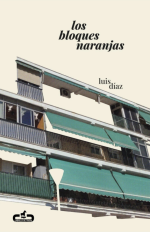
Помаранчеві блоки
Translated from
Spanish
to
Ukrainian
by Oleksandra Laktionova
Written in Spanish by Luis Díaz
7 minutes read
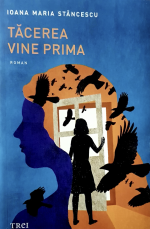
Najpierw przychodzi milczeni
Translated from
Romanian
to
Polish
by Aleksander Podgórny
Written in Romanian by Ioana Maria Stăncescu
8 minutes read
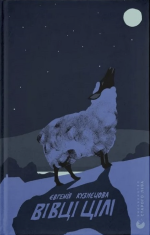
Вівці цілі
Навіть коли здається, що час застигає, а земля зупиняється, приходить зима. Сіріє небо, шелестять висохлі трави, мерехтять гірлянди під гул генераторів — більше для світла, ніж для свята. Люди живуть війну як уміють, роблять свій вибір, як можуть: відпустити чи хай там що, аби свої були цілі? Чи стане серця для любові у темну добу? У засніжених очеретах Дніпра, на спустілих вулицях, що стікаються з пагорбів до траси, у темних хатах, де поріг обсипають маком від нечисті, а душі померлих приходять за Різдвяні столи, Яна переступає через дірку в паркані і вплутується у дилеми, де немає ані правильних запитань, ані відповідей, але є Максим, непевність, любов і вівці.
Written in Ukrainian by Eugenia Kuznetsova
4 minutes read
Вівці цілі
Translated from
Ukrainian
to
Polish
by Magdalena Ukrainets
Written in Ukrainian by Eugenia Kuznetsova
4 minutes read
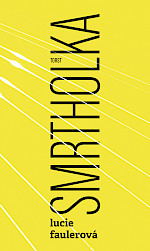
Morana
Translated from
Czech
to
Serbian
by Uroš Nikolić
Written in Czech by Lucie Faulerová
8 minutes read
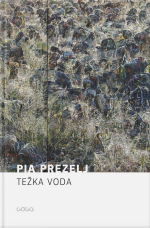
Težka voda
V svetu, ki ga naseljujejo Ida, Marta, Tone in Lojze, na vrtovih gnijejo paradižniki, na nočnih omaricah ždijo nagačeni zajci, krave pa je treba slej kot prej ustreliti med oči. Nič čudnega, če na blatni zemlji komu usodno spodrsne ali pa mu glavo spešta kakšno drevo; Gospod vendarle daje in jemlje, povrh vsega pa še odpušča.
V romanu Težka voda, svojstveni anatomiji krivde, ki prelamlja s tradicijo slovenske povesti, se drobci iz življenja starejše protagonistke Ide med posledicami zamolčane preteklosti in neizživete prihodnosti postopoma sestavljajo v okrušeno celoto. Ta v ekspresivnem, dovršenem slogu razkriva predvsem bridko resnico o prepletenosti življenj znotraj manjše vaške skupnosti, kjer se vse zdi na dlani, pa vendar skrivnost rojeva nove skrivnosti.
Written in Slovenian by Pia Prezelj
9 minutes read
Szumy i piski
Translated from
Romanian
to
Polish
by Olga Bartosiewicz-Nikolaev
Written in Romanian by Lavinia Braniște
8 minutes read
Un ronzio
Translated from
Romanian
to
Italian
by Andreaa David
Written in Romanian by Lavinia Braniște
9 minutes read
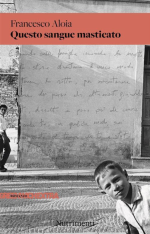
Dit gekauwde bloed
Translated from
Italian
to
Dutch
by Leine Meeus
Written in Italian by Francesco Aloia
11 minutes read
De zon als hij valt
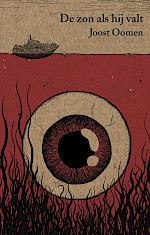
Pols, pols, oog, pols. Een jongen is een jongen en een meisje is een meisje en een jongen. Jij bent een jongen en je moet altijd naar mij toe komen. Elke nacht opnieuw moet jij over het water varen in een half leeggelopen rubberboot en ik moet elke ochtend een vuur ontsteken op het hoogste flatgebouw van mijn stad. Zodat jij iets hebt om op af te varen. Ik ben het meisje dat moet blijven zitten waar ze zit. En jij bent de jongen die de zee probeert leeg te drinken. Allemaal voor de pols, allemaal voor het oog. Soms zijn de dingen in een verhaal belangrijker dan de personages die ze beheersen. "De zon als hij valt" gaat over de reis die een jongen, een meisje, een oog en een pols afleggen om samen te zijn. Uitgangspunt voor deze novelle zijn twee historische objecten: het glazen oog dat overbleef na een drone-aanval op terrorist Mokhtar Belmokhtar en de pols van een vrachtwagenchauffeur die werd teruggevonden na een verder allesverwoestende explosie op camping Los Alfaques in Spanje.
Written in Dutch by Joost Oomen
8 minutes read

17, 18
Translated from
Serbian
to
Slovenian
by Natalija Milovanović
Written in Serbian by Marija Pavlović
8 minutes read
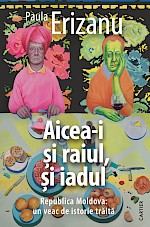
Ech, dziewuszki (It’s Both Heaven and Hell Here. Moldova: a Century of Lived History)
Translated from
Romanian
to
Polish
by Aleksander Podgórny
Written in Romanian by Paula Erizanu
6 minutes read
Blocurile portocalii
Translated from
Spanish
to
Romanian
by Ilinca Gângă
Written in Spanish by Luis Díaz
8 minutes read
Коридор (Poluostrvo)
Translated from
Dutch
to
Serbian
by Tamara Britka
Written in Dutch by Lieven Stoefs
8 minutes read
Dagen als vreemde symptomen
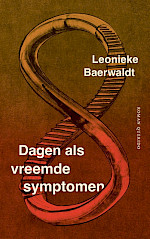
Sisyphus doolt door de hel met een lege rolstoel en weet niet precies wat ze daar te zoeken heeft, behalve dat ze haar dochter, die meervoudig beperkt is, moet ophalen uit het dagcentrum. Een missie die telkens mislukt, waarna ze teleurgesteld terugkeert naar de aftandse benedenwoning van een zonderling appartementencomplex. Wanneer haar hospita schijnbaar uit het niets een praatje met haar aanknoopt, begint ze zich plotseling dingen te herinneren.
Dagen als vreemde symptomen is een gevecht tegen de verveling, een zoektocht naar de grenzen van het moederschap, van hoop en radeloosheid, van leven en dood.
Written in Dutch by Leonieke Baerwaldt
9 minutes read

24
Translated from
Serbian
to
Spanish
by Ivana Palibrk
Written in Serbian by Marija Pavlović
10 minutes read