View all filters
Clear









Where the Wild Things Grow
Explore our connections with ecology, rituals, the cosmos, and the pressing climate challenges of our time
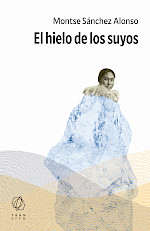
Led jejího lidu
Nacházíme se v odlehlé vesnici Nome na Aljašce, píše se rok 1921. Ada Blackjack, dívka z kmene Inupiat, se rozhodne odložit svého syna Bennetta, nakaženého tuberkulózou, do sirotčince, než přijde na způsob, jak ho uživit. Brzy si ji příležitost najde sama, a sice v podobě lodi připlouvající ze Seattlu. Plaví se na ní čtyři průzkumníci toužící po dobrodružství, plní koloniálních fantazií, a také kočka Vic. Míří na Wrangelův ostrov – poslední útočiště mamutů –, aby toto území připojili k britské konfederaci; hledají Inupiatku, která by jim během plavby vařila a šila. A tak se Ada bez ohledu na šamanova varování přidá k arktické expedici. Po několika měsících budou všichni objevitelé po smrti a Ada bude muset na Wrangelově ostrově přežít sama s Vic. Musí se proto přizpůsobit polární oblasti a znovuobjevit svou identitu inupiatské ženy, potlačenou léty kolonialismu. Při této proměně bude čelit hlubinám ledové země i svého nitra, hladu, smrti Boha, medvědu Nanukovi a možnosti, že až připluje záchranná loď, ona se do Nome nevrátí. K čemu bude záchrana syna, když ho koloniální řád nikdy nenechá najít vlastní potenciál? Bude moci být dobrou matkou, když po návratu riskuje nevolnictví? Nakonec se vrátí, aby Bennett poznal něhu a led jejího lidu.
Translated from
Spanish
to
Czech
by Markéta Cubrová
Written in Spanish by Montserrat Sánchez
7 minutes read
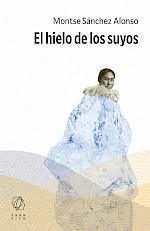
Thuis in het ijs
Translated from
Spanish
to
Dutch
by Lies Doms
Written in Spanish by Montserrat Sánchez
9 minutes read
Na ledu svojih ljudi
Translated from
Spanish
to
Slovenian
by Mojca Petaros
Written in Spanish by Montserrat Sánchez
7 minutes read
Elogio do Furacão
Translated from
Spanish
to
Portugese
by Miguel Martins
Written in Spanish by Alejandro Morellón Mariano
4 minutes read
Їхня крига
Ми у віддаленому містечку Номе, Аляска, йде 1921 рік. Ада Блекджек, молода інупіатка, вирішує залишити свого сина Беннета, хворого на туберкульоз, у притулку, доки не зможе забезпечити йому прожиток. Незабаром їй випадає щаслива нагода: корабель із Сіетла. На борту — чотири дослідники, сповнені жаги до пригод і колоніальних фантазій, а також кішка Вік. Вони прямують до острова Врангель — останнього притулку мамонтів — аби приєднати цю територію до Британської конфедерації; тому розшукують когось з інупіатів, хто готуватиме їм їжу та шитиме одяг. Ось так Ада, незважаючи на передбачення шамана, вирушає в арктичну експедицію. За кілька місяців усі дослідники загинуть, і Аді доведеться виживати самотужки на острові Врангеля, лише в компанії Вік. Для цього вона муситиме стати схожою на Велику Північ і повернути собі свою ідентичність жінки-інупіатки, придушену роками колоніалізму. Під час своєї трансформації вона зіткнеться з глибинами криги і самої себе, голодом, смертю Бога, ведмедем Нануком, а також з ймовірністю того, що вона не повернеться до Нома, коли припливе рятувальний корабель. Навіщо їй рятувати сина, якщо колоніальний порядок ніколи не дасть йому можливості реалізуватися? Чи зможе вона бути хорошою матір’ю, якщо повернення загрожує їй рабством? Її повернення має допомогти Беннету пізнати ніжність та їхню кригу.
Translated from
Spanish
to
Ukrainian
by Oleksandra Laktionova
Written in Spanish by Montserrat Sánchez
7 minutes read
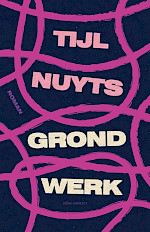
Roboty ziemne
Grondwerk (2025) za pomocą poetyckiego, zmysłowego języka porusza kwestie zmian klimatu, działań kolektywnych oraz prób uczynienia świata przyjaznym dla jego mieszkańców. Główna bohaterka powieści, samica golca piaskowego, zostaje wysłana na misję ze swojej kolonii w Rogu Afryki na plac w centrum Brukseli. W oczekiwaniu na instrukcje, które nigdy nie nadchodzą, przygląda się dziwnym zwyczajom homo sapiens i zaczyna kopać tunele pod miastem. Gdy w całym mieście zaczynają powstawać zapadliska – dzielące infrastrukturę politycznego serca Europy na kawałki – spotkanie i rozwijająca się z czasem przyjaźń bohaterki z aktywistką klimatyczną prowadzi do nieoczekiwanego zwrotu akcji. Powieść zdobyła nagrodę literacką De Boon Literatuurprijs, została nominowana do Boekenbon Literatuurpijs oraz otrzymała wyjątkowo pozytywne recenzje w belgijskiej i holenderskiej prasie.
Więcej informacji w j. niderlandzkim: https://www.tijlnuyts.be/grondwerk. Więcej informacji w j. angielskim, w tym fragmenty w j. angielskim i niemieckim: https://www.flandersliterature.be/books-and-authors/book/groundwork
Translated from
Dutch
to
Polish
by Anna Opara
Written in Dutch by Tijl Nuyts
8 minutes read
Punto di fuga
Translated from
Dutch
to
Italian
by Antonio De Sortis
Written in Dutch by Maud Vanhauwaert
8 minutes read
Non lo ero, ma ora lo sono. Sensibile a ogni variazione atmosferica.
Translated from
Serbian
to
Italian
by Sara Latorre
Written in Serbian by Marija Pavlović
9 minutes read
Základy
Translated from
Dutch
to
Czech
by Barbora Genserová
Written in Dutch by Tijl Nuyts
7 minutes read
Nie byłam, ale teraz jestem. Wrażliwa na każdą zmianę pogody
Translated from
Serbian
to
Polish
by Aleksandra Wojtaszek
Written in Serbian by Marija Pavlović
7 minutes read

No quiero ser un perro
Translated from
Dutch
to
Spanish
by Daniela Martín Hidalgo
Written in Dutch by Alma Mathijsen
8 minutes read

Perturbarea acțiunii
Anii `70. William „Mole Man” Lyttle descoperă într-un tunel de sub casa lui o frază care va influența ireversibil cursul lumii. „Viețile noastre deja nu ne mai par povești”.
Protagonista acestui roman de autoficțiune este Emma, în vârstă de treizeci și trei de ani, care încearcă să-și înțeleagă rădăcinile cehe, să se împace cu moartea mamei sale și să găsească răspunsuri la întrebările legate de dispariția partenerei sale. Istoria din jurul ei nu curge, ci se acumulează și se sparge. Printre rămășițe, nivelul apei crește în mod catastrofal și incendiile se intensifică. Emma se luptă cu ele în încercarea de a se îndepărta de iubirea în care se câștigă și se pierde. În povestea sa ajungem la final împreună sau fiecare în felul său, povestea rămâne. La fel și întrebarea dacă povestirea poate ajuta omul să se împace cu evenimentele tragice.
„Esența romanului constă în explorarea posibilităților limbajului și ale narațiunii ca instrumente gestionare a evenimentelor dureroase. Textul este saturat de imagini colorate, în care se reflectă atât abilitățile unei poete consacrate, cât și ale unei prozatoare talentate.” — redacția editurii Host
„Romanul are o structură, un ritm și un mesaj puternic. Oferă speranța că și cele mai mici ficțiuni ne pot salva de catastrofe.” — A2
Translated from
Czech
to
Romanian
by Andrei Săndulescu
Written in Czech by Emma Kausc
6 minutes read
Eu não era, mas agora sou. Sensível a qualquer mudança do tempo.
Translated from
Serbian
to
Portugese
by Ilija Stevanovski
Written in Serbian by Marija Pavlović
9 minutes read
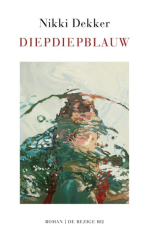
Platvis
Written in Dutch by Nikki Dekker
8 minutes read
Punto de fuga
Translated from
Dutch
to
Spanish
by Guillermo Briz
Written in Dutch by Maud Vanhauwaert
8 minutes read
Non voglio essere un cane
Translated from
Dutch
to
Italian
by Olga Amagliani
Written in Dutch by Alma Mathijsen
8 minutes read
Temelji
Translated from
Dutch
to
Serbian
by Jana Živkić
Written in Dutch by Tijl Nuyts
8 minutes read
Albero mostro bambino albero
Translated from
Spanish
to
Italian
by Valeria Parlato
Written in Spanish by Mariana Torres
9 minutes read
Pochwała huraganu
Translated from
Spanish
to
Polish
by Katarzyna Górska
Written in Spanish by Alejandro Morellón Mariano
3 minutes read
Iverak
Translated from
Dutch
to
Serbian
by Bojana Budimir
Written in Dutch by Nikki Dekker
7 minutes read