View all filters
Clear









Piccoli peccati
Una comitiva di amici si forma a seguito di un incidente al concerto della pop star italiana Verda a Berlino, al quale la bulgara Nora sviene a causa di una dose eccessiva di psicostimolanti. Gli astanti nel palchetto – l’imprenditore greco Adrian, il fotografo svedese Johan e la coppia di israeliani Sol, terapeuta, e Lilith, artista – la aiutano. I sei entrano sempre più in confidenza e iniziano a incontrarsi in vari punti d’Europa. Ognuno di loro sembra una persona realizzata e felice, ma nel profondo porta con sé i traumi del passato. Questi traumi generano in ciascuno un “piccolo peccato”: dipendenza dall’alcol, dagli psicostimolanti, tradimento, menzogna, manipolazioni e presunzione.
Nora è attratta da Johan, mentre Adrian e Sol decidono di costruire un moderno centro retreat sull’isola di Creta. La comitiva si raduna lì in vacanza. Durante la terapia di gruppo ognuno condivide il proprio “piccolo” peccato. Lilith annuncia di aver commesso adulterio con Adrian. Scosso da quanto sentito, Sol si sottomette all’antico rituale del salto del toro, che simboleggia il tribunale divino. Il toro lo ferisce.
Tempo dopo ciascuno cerca di fare fronte alle conseguenze di quel giorno. Johan non beve più. Lilith e Adrian vivono insieme a San Francisco. Nora cura la propria dipendenza, mentre Sol è rimasto invalido. Un giorno riceve un pacco da Lilith: i suoi vecchi appunti da terapeuta, dove aveva scritto che lei è probabilmente figlia di un incesto. Ovviamente alla sessione di gruppo lei aveva mentito allo scopo di punirlo per la sua brutale valutazione. Il suo “piccolo” peccato era la menzogna, non il tradimento.
Translated from
Bulgarian
to
Italian
by Giorgia Spadoni
Written in Bulgarian by Paulina Georgieva
8 minutes read
Il ponte
Translated from
Portugese
to
Italian
by Francesca Leotta
Written in Portugese by João Valente
9 minutes read
Pennarello
Translated from
Serbian
to
Italian
by Sara Latorre
Written in Serbian by Jasna Dimitrijević
7 minutes read
Interpunzioni
Translated from
Slovenian
to
Italian
by Giorgia Maurovich
Written in Slovenian by Tina Perić
9 minutes read
Svatá
La vita di Aloisie, un’ostessa rimasta vedova, viene sconvolta quando sua figlia Krista afferma di
aver visto la Vergine Maria nel bosco. Sebbene nessun altro abbia assistito all’apparizione, la
notizia si diffonde rapidamente e folle di pellegrini iniziano ad affluire in quella regione dimenticata.
L’osteria, gravata dai debiti, torna finalmente a prosperare.
Mentre Krista viene adorata da alcuni e odiata da altri, Aloisie non sa più a cosa credere. Sua figlia
è una bugiarda o una visionaria? E nel bosco appare davvero la Madre di Dio, oppure qualcosa di
molto più inquietante?
Ispirato a fatti realmente accaduti nella regione di Broumov nel XIX secolo, questo romanzo
racconta una storia di amore, fede e incrollabile volontà.
Translated from
Slovenian
to
Italian
by
Written in Slovenian by Aleš Belšak
11 minutes read
Natalya
Translated from
Portugese
to
Italian
by Francesca Leotta
Written in Portugese by Valério Romão
5 minutes read
Esmeralda
Translated from
Portugese
to
Italian
by Elisa Rossi
Written in Portugese by Luis Brito
7 minutes read
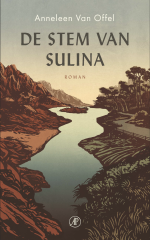
La voce di Sulina
Translated from
Dutch
to
Italian
by Matilde Soliani
Written in Dutch by Anneleen Van Offel
7 minutes read
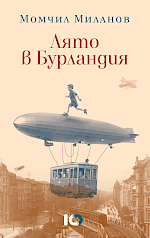
Il ministero dei sogni
Il primo romanzo dello scrittore bulgaro è una delle scoperte di questa stagione letteraria, tra storia di formazione e favola politica.
Libération, Francia
Un gioioso-oscuro-dolce-salato ritorno nell’infanzia di una persona cresciuta.
Kristin Dimitrova, scrittrice, Literaturen vestnik
Difficilmente inquadrabile a livello di genere, Estate in Burlandia contiene elementi del fantasy, del romanzo storico, della fiaba, del romanzo d'avventura con un demoniaco cattivo. Proprio la possibilità di fuga – questo luminoso orizzonte personale – rende il libro di Milanov tanto delicato e facile da leggere. Nonostante l’azione si svolga sotto la pesante ombra del dirigibile appeso sopra la città, non contiene niente di spaventoso né di sconfortante. Questo è un romanzo scintillante sul gioco e il non dare retta al male.
Julia Rone, Toest
Translated from
Bulgarian
to
Italian
by
Written in Bulgarian by Momchil Milanov
10 minutes read
La colazione delle campionesse
Translated from
Slovenian
to
Italian
by Giorgia Maurovich
Written in Slovenian by Liu Zakrajšek
11 minutes read
Meine Mutter hat Blumen gezüchtet (I presupposti non contano)
Translated from
Serbian
to
Italian
by Katarina Mitić
Written in Serbian by Ljiljana D. Ćuk
6 minutes read
Domani
Translated from
Portugese
to
Italian
by Elisa Rossi
Written in Portugese by Patrícia Patriarca
8 minutes read
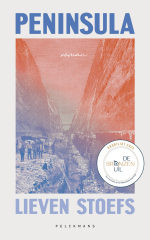
Corridoio (Peninsula)
Translated from
Dutch
to
Italian
by Matilde Soliani
Written in Dutch by Lieven Stoefs
8 minutes read
Dichiarazione di dipendenza
Translated from
Dutch
to
Italian
by Antonio De Sortis
Written in Dutch by Rebekka de Wit
9 minutes read
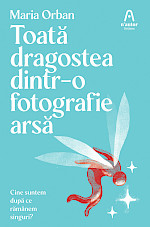
Tutto l’amore di una fotografia bruciata
Tutto l’amore di una fotografia bruciata punta i riflettori sulla relazione fra tre generazioni di donne che hanno modi diversi e incompatibili di vedere il mondo. La famiglia, con il suo equilibrio precario viene scossa dall’improvviso ricovero della più anziana fra le tre. Timori paralizzanti prendono forma all’approssimarsi della morte. Affiorano alla luce i rispettivi meccanismi di difesa, in particolare il modo in cui ognuna di loro si fa parassita nella vita delle altre in nome del senso del dovere e dell’amore materno. Leia, presa tra due fuochi, è quella che registra i cambiamenti, che setaccia la realtà, si sforza di trascriverla e di darle un senso, quella che cerca una via di salvezza e che negozia costantemente la propria identità nel tentativo di scoprire scoprire cosa resta di lei oltre al ruolo di figlia e madre.
Translated from
Romanian
to
Italian
by Barbara Pavetto
Written in Romanian by Maria Orban
9 minutes read
Un’automobile dell’antica Grecia
Translated from
Czech
to
Italian
by Elena Zuccolo
Written in Czech by Ondrej Macl
12 minutes read
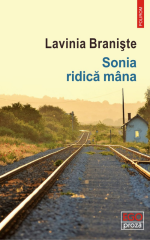
Domani
Translated from
Romanian
to
Italian
by Andreaa David
Written in Romanian by Lavinia Braniște
6 minutes read
Di demoni e di destrieri
Translated from
Slovenian
to
Italian
by Lucia Gaja Scuteri
Written in Slovenian by Mirt Komel
5 minutes read
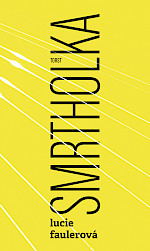
La fanciulla morte
Translated from
Czech
to
Italian
by Elena Zuccolo
Written in Czech by Lucie Faulerová
10 minutes read

Le siepi
Translated from
Polish
to
Italian
by Paola Pappalardo
Written in Polish by Maria Karpińska
12 minutes read