View all filters
Clear








Nevidni
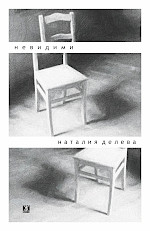
Nevidni je roman o zavračanju drugačnih, v katerem otroci predstavljajo svoje starše. Mlada ženska, odrasla v Domu za osirotele otroke, poskuša premagati svoje travme iz otroštva. Po vrsti ločitev sreča Daro, siroto, v kateri prepozna sebe kot otroka. Naveže se nanjo in se odloči, da bo za vsako ceno našla način, da ji bo omogočila življenje, kakršnega sama nikoli ni bila deležna. Gre za roman o ljudeh z družbenega roba. V njem se prepletajo različne pripovedne linije, ki vse pripovedujejo skupno zgodbo o nevidnosti.
»Roman o ljudeh z družbenega roba, ki vas pusti brez besed.« Georgi Gospodinov, avtor romanov Fizika žalosti in Časovno zaklonišče
»Le malokdo je sposoben brez kančka pretencioznosti poustvariti življenja tistih, ki so izkusili dom za zapuščene otroke, še posebej v času prehoda, njihove nadaljnje usode. Pravzaprav je, bolj splošno gledano, vsak od nas zapuščen otrok, toda tisti, o katerih pripoveduje avtorica, so resnično nevidni na družbenem zemljevidu. Natalija Deleva jim z obrazov odstrani vse klišeje, s katerimi smo jih obtežili. Težka, pomembna, resnično pomembna knjiga.« Marin Bodakov, Kultura
“The narrator in Four Minutes (Невидими) collates excerpts from news articles, listens to her own (internal) voice, to the stories of people she meets on the way, looks into the past, confronts traumas and, pulling the reader out of their comfort zone, asks important questions about our world, about life in exile, about people who are excluded, abandoned, homeless. A beautiful, intricately woven and exciting book.” Wioletta Greg, author of Swallowing Mercury
Translated from
Bulgarian
to
Slovenian
by Maja Kovač
Written in Bulgarian by Nataliya Deleva
10 minutes read
Je weet niks van mij
Translated from
Italian
to
Dutch
by Leine Meeus
Written in Italian by Raffaele Cataldo
4 minutes read
Il ministero dei sogni
Il primo romanzo dello scrittore bulgaro è una delle scoperte di questa stagione letteraria, tra storia di formazione e favola politica.
Libération, Francia
Un gioioso-oscuro-dolce-salato ritorno nell’infanzia di una persona cresciuta.
Kristin Dimitrova, scrittrice, Literaturen vestnik
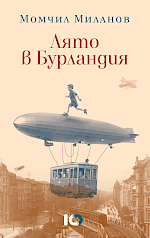
Difficilmente inquadrabile a livello di genere, Estate in Burlandia contiene elementi del fantasy, del romanzo storico, della fiaba, del romanzo d'avventura con un demoniaco cattivo. Proprio la possibilità di fuga – questo luminoso orizzonte personale – rende il libro di Milanov tanto delicato e facile da leggere. Nonostante l’azione si svolga sotto la pesante ombra del dirigibile appeso sopra la città, non contiene niente di spaventoso né di sconfortante. Questo è un romanzo scintillante sul gioco e il non dare retta al male.
Julia Rone, Toest
Translated from
Bulgarian
to
Italian
by
Written in Bulgarian by Momchil Milanov
10 minutes read
Vezmu to stručně
Je mu čtyřiadvacet let, je napůl Neapolitán a napůl Maďar, studoval v Bologni, chtěl by se stát režisérem a stále ještě hledá svou cestu: takový je výchozí portrét protagonisty Vezmu to stručně (La faccio breve), vynikajícího debutu Davide Di Lorenza.
Jmenuje se Davide, stejně jako autor románu, a poprvé se s ním setkáváme v Budapešti, ve městě, v němž se narodila a vyrostla jeho matka. Nechal za sebou Itálii, přátele, rodinu, a přestože jeho život v zahraničí nešetří groteskními dobrodružstvími, jeho každodennost je ospalá a toulavá.
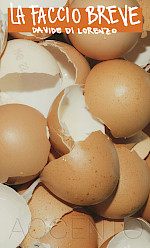
Pracovní cesta do Berlína nic nezmění, věci se začnou hýbat až v momentě, kdy je přijat na filmovou školu a přesune se do Říma. Římská čtvrť Pigneto, protančené noci (a divoké návraty domů), únava a nová setkání přispějí k tomu, že se Davide znovu probudí a začne si lámat hlavu nad jednou záhadou: nesmyslným, ale stále častějším výskytem rozbitého vejce na podestě.
Davide Di Lorenco dokáže s ironickou věrností vyprávět každodenní život mladíka stojícího na prahu dospělosti, jak v jeho domácí a melancholické rovině, tak v nekonečných římských večerech nebo na alkoholem naplněných večírcích po Evropě. Vezmu to stručně (La faccio breve) je bezstarostný a dojemný román, který si uchovává veškerý rozkolísaný rytmus a svěžest života dvacátníka.
Translated from
Italian
to
Czech
by Anna Kostková
Written in Italian by Davide Di Lorenzo
8 minutes read
Synopsis
Translated from
Italian
to
Dutch
by Sandra Verhulst
Written in Italian by Arianna Giorgia Bonazzi
5 minutes read
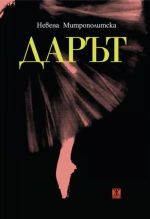
El regalo
Translated from
Bulgarian
to
Spanish
by Marco Vidal
Written in Bulgarian by Nevena Mitropolitska
10 minutes read
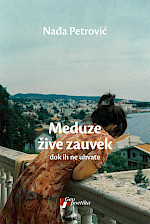
Le meduse sono immortali finché non le catturano
Sara ha appena compiuto diciannove anni e, a causa di un trauma represso del passato, sente crescere dentro di sé la paura di morire proprio a quell’età. Per questo motivo trascorre sotto l’ombra dell’ansia l’estate che dovrebbe essere la più spensierata della sua vita, quella tra la fine del liceo e l’inizio dell’università. Esce con gli amici nei club alternativi, cerca di riconciliarsi con l’ex ragazzo Viktor, beve molto e desidera essere notata da tutti, anche se in realtà è una persona introversa.
Tutto cambia dopo che, in una stanza buia di un club, Sara ha la sua prima visione, in cui il trauma del passato prende vita: si ritrova di nuovo faccia a faccia con Lara, sua cugina morta proprio a diciannove anni. Sara si sveglia la mattina seguente con un formicolio al braccio; la sensazione si diffonde e Sara scopre di avere una malattia senza nome, con cui potrà convivere normalmente ma che la accompagnerà per sempre.
Prendendolo come un primo segnale che la sua paura della morte potrebbe essere fondata, Sara inizia a dedicarsi ossessivamente all’analisi del proprio corpo come qualcosa di fragile e transitorio e, attraverso queste riflessioni, cresce rapidamente. Inizia un corso di pittura, dove incontra Tisa e Balša: entrambi eccentrici, entrambi segnati da incontri passati con la
morte e da traumi sepolti. Sara trova in Tisa un modello, mentre si innamora di Balša. Attraverso il rapporto con loro, Sara affronta il suo presente, il suo futuro e il suo passato traumatico.
Translated from
Serbian
to
Italian
by Katarina Mitić
Written in Serbian by Nađa Petrović
11 minutes read
Drie!
Translated from
Czech
to
Dutch
by Lysanne Aarsman
Written in Czech by Anna Luňáková
8 minutes read
Zóna 24
Translated from
Serbian
to
Czech
by Věra Böhmová
Written in Serbian by Boris Džinić
8 minutes read
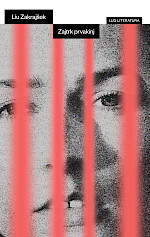
El desayuno de las campeonas
El desayuno de las campeonas es el primer libro de Liu Zakrajšek, en el cual nos sumergimos junto a la protagonista en tres diferentes puestos de trabajo para estudiantes: en una sala de cine, un centro cultural y una librería. Cuando no está en clase o trabajando, pasa el tiempo en un pequeño y agobiante cuartucho de una buhardilla que comparte con la impulsiva y caótica Vesna y la organizada y seria Pia. La dinámica entre ellas se va construyendo y derruyendo capítulo a capítulo de un modo más o menos dramático, todo ello en el marco de una amplia crisis existencial que experimentan las generaciones jóvenes que están a punto de entrar en el mercado laboral: desde la precariedad y los altos precios de la vivienda hasta una segregación de clases cada vez peor, la soledad y la delicada salud mental. Así, los jóvenes de la novela, que deberían estar pensando en sus sueños y el futuro, no pueden sino ocuparse de cómo procurarse el dinero para pagar el siguiente alquiler. El libro, que toma prestado su título de Kurt Vonnegut, es una sutil sátira de los tiempos actuales que necesitamos como el comer.
Translated from
Slovenian
to
Spanish
by David Heredero
Written in Slovenian by Liu Zakrajšek
10 minutes read
Fine
Translated from
Polish
to
Italian
by Paola Pappalardo
Written in Polish by Marta Hermanowicz
14 minutes read
И тогава пак отначало
Translated from
Serbian
to
Bulgarian
by Tsvetomira Mladenova
Written in Serbian by Filip Grujić
8 minutes read
Sraz
Translated from
Romanian
to
Czech
by Tereza Prymak
Written in Romanian by Alexandru Potcoavă
8 minutes read
La faccio breve
Ha ventiquattro anni, è per metà napoletano e per metà ungherese, ha studiato a Bologna, vorrebbe fare il regista ed è ancora in attesa di trovare la sua strada: è questo l’identikit di partenza del protagonista di La faccio breve, il brillante esordio di Davide Di Lorenzo.
Si chiama Davide, proprio come l’autore del romanzo, e lo incontriamo per la prima volta a Budapest, città in cui è nata e cresciuta sua madre. Si è lasciato alle spalle l’Italia, gli amici, la famiglia, e nonostante la vita all’estero non gli risparmi avventure grottesche la sua quotidianità è sonnolenta e girovaga.
Una trasferta a Berlino non cambierà le cose, che inizieranno invece a movimentarsi solo con l’ammissione a una scuola di cinema e il trasferimento a Roma. Il Pigneto, le nottate a ballare (e i conseguenti rocamboleschi rientri), la stanchezza e i nuovi incontri contribuiranno a risvegliare Davide, intento ad arrovellarsi su un mistero: la comparsa insensata, ma sempre più frequente, di un uovo rotto sul pianerottolo.
Davide Di Lorenzo riesce a raccontare con fedeltà ironica la vita quotidiana di un ragazzo sulla soglia dell’età adulta, tanto nella sua dimensione domestica e malinconica quanto nelle infinite serate romane, o nelle feste alcoliche in giro per l’Europa. La faccio breve è un romanzo scanzonato e commovente, che conserva tutto il ritmo sgangherato e la freschezza dei vent’anni.
Written in Italian by Davide Di Lorenzo
10 minutes read
En dan opnieuw, vanaf het begin
Translated from
Serbian
to
Dutch
by Lena van Tijen
Written in Serbian by Filip Grujić
9 minutes read
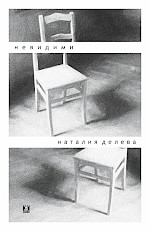
Onzichtbaar
Translated from
Bulgarian
to
Dutch
by Kieran Van Overwaele
Written in Bulgarian by Nataliya Deleva
13 minutes read
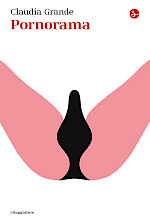
Pornorama
Ta zgodba je pajčevina iz pretrganih niti: če nam uspe zgrabiti eno, ostale spolzijo proč. To je zgodba o pretresljivem zaporedju smrti v svetu pornografije med Rimom, Milanom in Torinom, pa tudi zgodba o preiskavi, ki jo vodi glavna inšpektorica Vittoria De Feo. To je zgodba o tem, kako sta dvajsetletnika, Bet in Teo, prišla na isto sled, ko sta iskala nekaj udarnega, s čimer bi lahko začela svoj blog, in zgodba o tem, kako je novinar rumenega tiska poskušal napisati najbolj ekskluzivno novico v svojem življenju. Okrog njihovega zapletenega poizvedovanja se giblje nadrealističen zbor grotesknih likov: kirurgov, ki bogatijo s prodajo spolnih igračk, izdelanih v skladu z anatomijo mrtvih pornozvezd, luciferskih odvetnikov, ki pripravnike držijo na povodcu, forenzikov, ki poskušajo uspeti kot youtuberji, igralcev, ki so nekoč nastopali v otroških oddajah, zdaj pa so padli v nemilost, psihiatrov, ki se med srečanji oblačijo v avokade, klepetavih vplivnic, ki pretiravajo s kokainom, priliznjenih menedžerjev igralk v trdih pornografskih filmih. Vse to spremljajo in začinijo sintetične droge in dogovori o podrejanju, odsekane roke in limonove pite, udomačeni zajci in televizijski šund, Ikeina skladišča in pornografski studii. Za najbolj neomadeževano preiskavo se razpletajo konjugacije pornografije obstoja, za katero zdaj ne obstaja nič obscenega več.
Translated from
Italian
to
Slovenian
by Zarja Lampret Prešeren
Written in Italian by Claudia Grande
9 minutes read
Doručak šampionki
Doručak šampionki je debitantski roman Liu Zakrajšek, u kojem s protagonistkinjom odlazimo na tri različita studentska radna mesta: bioskop, kulturni centar i knjižaru. Kada ne pohađa predavanja ili ne radi, provodi vreme u maloj i zagušljivoj tavanskoj sobici stana koji deli sa impulsivnom i haotičnom Vesnom i organizovanom i ozbiljnom Pijom. Njihova dinamika se manje-više dramatično gradi i urušava kroz poglavlja, a sve se to dešava u pozadini širih egzistencijalnih kriza koje doživljava mlađa generacija koja će tek ući na tržište rada – od nesigurnosti i preteranih cena nekretnina do sve ozbiljnije klasne segregacije, usamljenosti i lošeg mentalnog zdravlja. Mlade junakinje u romanu, koje bi trebalo da razmišljaju o svojim snovima i budućnosti, najviše se brinu oko toga kako da zarade za sledeću kiriju. Roman, koji je inspiraciju za naslov pozajmio od Kurta Vonegata, suptilna je satira modernog vremena koja nam je preko potrebna.
Translated from
Slovenian
to
Serbian
by Jelena Ivanišević
Written in Slovenian by Liu Zakrajšek
9 minutes read
Preparare un corpo
Translated from
Dutch
to
Italian
by Olga Amagliani
Written in Dutch by Nikki Dekker
8 minutes read
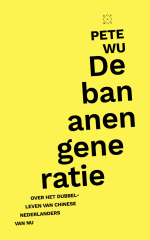
Generația-banană: despre viața dublă a unui chinez-neerlandez
Translated from
Dutch
to
Romanian
by Mădălina Balea
Written in Dutch by Pete Wu
10 minutes read