View all filters
Clear








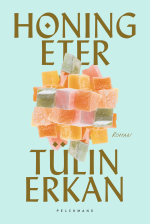
ARRIVALS / GELIȘ (Mâncătorul de miere)
Translated from
Dutch
to
Romanian
by Andreea Bălteanu
Written in Dutch by Tülin Erkan
7 minutes read

Brooklyn-Barakaldo
Tacere e diventare complice? Oppure rivolgersi alla giustizia e temere la vendetta?
Mateo torna nella casa di famiglia a Madrid dopo essere stato licenziato dallo studio di architettura in cui lavorava a Barcellona. Quando per caso trova una pistola tra gli effetti personali di Juan, suo padre, sospetta che lui fosse coinvolto in un attentato dell’ETA avvenuto vent’anni prima nel quartiere. Parallelamente, il lettore conoscerà la storia di Malen, che nel 2000 pianificò nello stesso quartiere di Juan e Mateo l’omicidio di un giudice la cui esecuzione portò a un esito inaspettato. L’indagine di Mateo per cercare la verità lo porterà a svelare segreti nascosti che potrebbero minare irrimediabilmente le fondamenta della sua vita e delle persone che ama.
Prendendo spunto da un attentato realmente avvenuto venticinque anni fa a Madrid, nel suo primo ed emozionante romanzo Antonio Lleras riflette sulla redenzione e sulla possibilità di cambiare vita. E su come, decenni dopo la fine dell'ETA, vittime e carnefici cerchino di ricostruire le loro vite dopo un passato comune fatto di violenza e vendetta.
Translated from
Spanish
to
Italian
by Martino Gandi
Written in Spanish by Antonio Lleras
9 minutes read
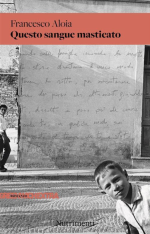
Questo sangue masticato
In his debut novel, Francesco Aloia comes to terms with the past and his family, keeping his grandmother Ada's teachings firmly in mind. After leaving home and finding his own path, he returns to the places of his childhood during a summer and confronts a particularly "overbearing" grandfather, Tanino 'e Bastimento, a man of honor who, after a couple of murders and many years in prison, after challenging a Camorra boss, now must face one final duel "in absentia"—this time with his grandson.
Written in Italian by Francesco Aloia
10 minutes read
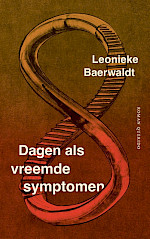
Дни като странни симптоми
Сизиф блуждае из ада с празна инвалидна количка и не знае какво точно търси там, освен че трябва да вземе дъщеря си, която е с множество проблеми в развитието, от дневния център. Мисия, в която тя всеки път се проваля, след което, разочарована, се връща в занемарения си апартамент на приземния етаж в странен жилищен комплекс. Когато хазяйката ѝ, сякаш от нищото, завързва разговор с нея, спомените ѝ внезапно започват да се възвръщат.
„Дни като странни симптоми” е битка с унинието, експедиция до границите на майчинството, на надеждата и отчаянието, на живота и смъртта.
Роман, който те уцелва като убиец от засада, жегва и сърцето, и ума, стреля безкомпромисно точно. — в-к „НРК”
„Дни като странни симптоми” е многопластов роман с препратки към философията и гръцката митология. Безмилостната фрагментарна форма и невинаги лекият стил, избрани от Леонике Барвалт, свидетелстват за кураж и оригиналност. Читателят, който ще се осмели да се впусне в разказа за тази на пръв поглед затворена в себе си майка, ще бъде дълбоко трогнат от този изключителен роман. — Лаудацио на журито на Литературната награда на банка БН
Translated from
Dutch
to
Bulgarian
by Elena Dimitrova
Written in Dutch by Leonieke Baerwaldt
9 minutes read
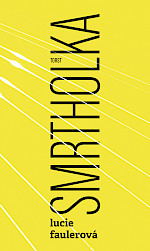
Smrtholka
Written in Czech by Lucie Faulerová
8 minutes read
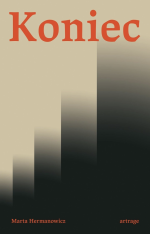
Până la Capăt
Translated from
Polish
to
Romanian
by Oana-Andreea Stoe
Written in Polish by Marta Hermanowicz
13 minutes read
Starogrški avtomobil
Translated from
Czech
to
Slovenian
by Vesna Dragar
Written in Czech by Ondrej Macl
9 minutes read
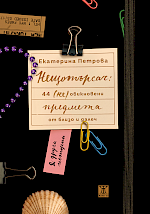
Encuentracosas: 44 objetos (in)usuales de cerca y lejos
Como sugiere su subtítulo, el libro Encuentracosas contiene historias sobre 44 objetos de cerca y lejos. La curiosa y variada selección, ordenada temáticamente, incluye sorprendentes hallazgos de todo el mundo: Botas de Bután, losetas de Barcelona diseñadas por Gaudí, copas de vino del País Vasco, un broche en forma de corazón de Sarajevo, alpargatas de los Pirineos, escarabajos del antiguo Egipto, un cubo de basura de Nueva York, un trozo de tela naranja de los muelles flotantes del lago Iseo, una campana de dragón eslovena, un mapa de Berlín del Este y mucho más. Al narrar las historias de estos objetos concretos, Ekaterina Petrova cuenta en realidad las historias de los lugares de los que proceden —Kustendorf y Katmandú, Liubliana y Luisiana, Belvedere y Bilbao, Selcuk y Central Park—, situándolos al mismo tiempo en un contexto lingüístico, cultural, histórico, antropológico o geográfico más amplio. Los textos, una ingeniosa mezcla entre cuaderno de viaje, ensayo y relato corto, están cuidadosamente elaborados y repletos de curiosidades, pero refractados a través de la perspectiva subjetiva de la autora, así como de su biografía personal como viajera, traductora y encuentracosas. La maquetación del libro, realizada con el ojo estético de Lyuba Haleva, una de las ilustradoras búlgaras contemporáneas más destacadas, capta de forma espléndida y humorística el espíritu y el carácter de los relatos. De esta forma, el propio libro se convierte en un objeto bello, placentero y alegre, para leer y releer; un libro que poseer y regalar.
Translated from
Bulgarian
to
Spanish
by Marco Vidal
Written in Bulgarian by Ekaterina Petrova
10 minutes read
Meine Mutter hat Blumen gezüchtet
Translated from
Serbian
to
Ukrainian
by Maksimu Andre Martynenko Shchehlov
Written in Serbian by Ljiljana D. Ćuk
5 minutes read
Ptiči, ki čivkajo o prihodnosti
Translated from
Spanish
to
Slovenian
by Katja Petrovec
Written in Spanish by Alejandro Morellón Mariano
4 minutes read
Los confines
Translated from
Polish
to
Spanish
by Teresa Benítez
Written in Polish by Marta Hermanowicz
15 minutes read
ARRIVALS / GELIȘ (Honingeter)
Sibel wacht in de luchthaven van Istanboel. Elke dag opnieuw mist ze haar vlucht naar Brussel. Ze voelt zich in de beide landen niet thuis, wil grip krijgen op de herinneringen aan haar overleden vader en haar taal herontdekken. Sibel vult de dagen met het observeren van andere passagiers en de zorg voor een speurhond.
Maar zelf wordt ze ook geobserveerd. Bewakingsagent Ömer houdt haar via zijn schermen in da gaten en beslist haar te beschermen, zoals een vader. En dan is er nog Wernicke, een piloot die niet alleen zijn job verloor, maar nu ook zijn taal en gezondheid. Alle drie leven ze illegaal in de luchthaven, met hun eigen bagage en communicatieproblemen. Een sneeuwstorm verlengt hun ongemakkelijke samenzijn, maar een afscheid is onafwendbaar.
Erkan omschrijft gevoelig hoe het is om tussen twee culturen op te groeien. Honingeter maakt bevattelijk hoe onmogelijk het is de ander echt te begrijpen en om je ergens thuis te voelen als je je moedertaal niet kunt spreken. Met poëtische metaforen toont Erkan de kwetsbaarheid van haar personages.
Tülin Erkan (1988) groeide op in Oostende bij een Franstalige moeder en een Engelstalige grootmoeder. Haar zomers bracht ze door bij haar vader in Turkije. Wanneer mensen haar als half omschrijven, voelt ze zich vooral dubbel. In haar debuut Honingeter rijgt ze taal en herinnering virtuoos aan elkaar tot een gecondenseerd geheel.
Written in Dutch by Tülin Erkan
7 minutes read
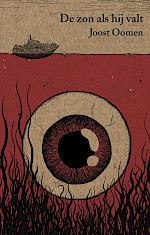
El sol cuando cae (fragmentos)
Translated from
Dutch
to
Spanish
by Irene de la Torre
Written in Dutch by Joost Oomen
9 minutes read
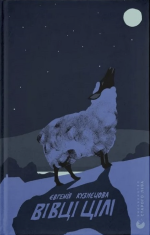
Ovce su na broju
Translated from
Ukrainian
to
Serbian
by Dragana Vasilijević-Valent
Written in Ukrainian by Eugenia Kuznetsova
5 minutes read
Sín titulo
Translated from
Portugese
to
Spanish
by Sara De Albornoz Domínguez
Written in Portugese by Daniela Costa
8 minutes read
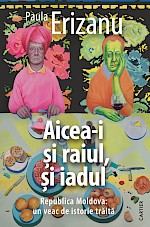
Oh, ragazze (It’s Both Heaven and Hell Here. Moldova: a Century of Lived History)
Translated from
Romanian
to
Italian
by Barbara Pavetto
Written in Romanian by Paula Erizanu
8 minutes read
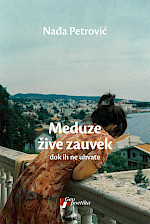
Медузите живеят вечно, докато не ги хванат
Сара тъкмо е навършила деветнайсет години и заради потисната травма от миналото усеща нарастващ страх, че тази година ще умре. И заради това лятото, което би трябвало да е най-безгрижното в живота, между гимназията и университета, тя го прекарва в тревожност. Излиза с приятели по алтернативни клубове, опитва да се сдобри с бившето си гадже Виктор, много пие и иска всички да я забележат, въпреки че всъщност е затворена. Всичко се променя, когато в мрачната зала на клуба Сара има първото съновидение, в което травмата от миналото оживява - отново се сблъсква с деветнайсетгодишната си братовчедка Лара. На следващата сутрин Сара се събужда с изтръпване в ръката, което се разпространява и Сара открива, че има неназована болест, с която ще живее нормално, но винаги ще е с нея. Сара, когато получава първия знак, че страхът й от смъртта е оправдан, започва панически да се занимава с анализирането на това понятие, на тялото си като нещо, което е крехко и преходно, и чрез тези размишления пораства много бързо. Започва курсове по изобразително изкуство, където се запознава с Тиса и Балша, двамата са ексцентрични и двамата са се срещали в миналото със смъртта, и единият, и другият имат погребани травми. В Тиса Сара намира пример, а в Балша се влюбва. През отношенията си с тях Сара се изправя пред настоящето, бъдещето и миналото си - семейна трагедия, която е белязала цялото й порастване, смъртта на братовчедка й Лара.
Уязвимо и силно, игриво и вълнуващо. Изключителният роман на Наджа Петрович започва като тийнейджърска драма за порастването, но бързо се превръща във вълнуваща интимна изповед - ефирна и поетична, а същевременно трогателна и болезнена. Това е история за дълбока и същностна крехкост, за страха от смъртта, но и за страха от живота. — Сърджан Голубович
Повествованието на Сара, изпълнено с отклонения и често оцветено с лек самоироничен хумор, не е стереотипният литературен глас на подрастващия. Отклоненията в историята й често се сгъстяват в удивителни езикови образи, които получават и „външен“ еквивалент: без да се ограничава до чисто реалистична проза, авторката е внесла в романа важни фантастични мотиви и цели онирични сцени, които интегрира хармонично и изключително функционално в повествованието и ги използва като значими структурни елементи на цялото произведение. — Из становището на журито в състав проф. д-р Йелена Панич Мараш, проф. д-р Предраг Петрович и д-р Тияна Тропин при присъждането на наградата "Гроздана Плуич " за най-добра прозаична книга за 2023 година.
Translated from
Serbian
to
Bulgarian
by Tsvetomira Mladenova
Written in Serbian by Nađa Petrović
10 minutes read
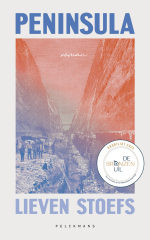
Коридор (Poluostrvo)
Translated from
Dutch
to
Serbian
by Tamara Britka
Written in Dutch by Lieven Stoefs
8 minutes read
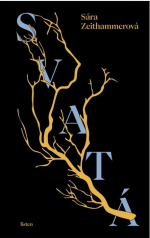
Свята
Життя вдови-шинкарки Алоїзії перевертається з ніг на голову, коли її доньці Крісті являється в лісі Діва Марія. І хоча крім Крісти її більше ніхто не бачив, звістка про об’явлення швидко розходиться між людей і до всіма забутого краю починають стікатися натовпи паломників. Шинок, який не вилазив з боргів, нарешті процвітає. Місцеві Крісту водночас і боготворять, і ненавидять. Сама Алоїзія не знає, на чий бік пристати. Її донька брехуха чи провидиця? Чи справді в лісі явилася Матір Божа, чи щось набагато страшніше? Ця історія про любов, віру та безмежну волю заснована на реальних подіях, які відбулися в дев’ятнадцятому столітті в околицях чеського Броумова.
Translated from
Czech
to
Ukrainian
by Olha-Anastasiia Futoran
Written in Czech by Sára Zeithammerová
9 minutes read
Căutător-de-chestii: 44 de obiecte (ne)obișnuite de aproape și de departe
După cum sugerează subtitlul, cartea Căutător-de-chestii conține povești despre 44 de obiecte de aproape și de departe. Selecția neobișnuită și variată, aranjată tematic, include descoperiri surprinzătoare din întreaga lume: cizme din Bhutan, dale de trotuar din Barcelona proiectate de Gaudi, pahare de vin din Țara Bascilor, o broșă în formă de inimă din Sarajevo, espadrile din Pirinei, scarabei din Egiptul antic, o cutie cu gunoi din New York, o bucată de țesătură portocalie din „cheiurile plutitoare” ale lacului Iseo, un dragon zornăitor din Slovenia, o hartă a Berlinului de Est și multe altele. Spunând poveștile acestor obiecte, Ekaterina Petrova spune, de fapt, și poveștile locurilor din care provin - Kustendorf și Kathmandu, Ljubljana și Louisiana, Belvedere și Bilbao, Selcuk și Central Park - plasându-le în același timp într-un context lingvistic, cultural, istoric, antropologic sau geografic mai larg. Amestec inventiv de jurnal de călătorie, eseu și povestire, textele sunt atent documentate și înțesate de curiozități, dar fragmentate din perspectiva subiectivă a autoarei, precum și prin biografia sa personală de călător, traducător și căutător-de-chestii. Realizată artistic prin ochiul estetic al Lyubei Haleva, una dintre cele mai remarcabile ilustratoare contemporane din Bulgaria, ilustrația cărții surprinde în mod minunat și plin de umor natura și starea de spirit ale povestirilor. În acest fel, cartea în sine devine, de asemenea, un obiect frumos, plăcut și vesel - de citit și recitit, de avut și de dăruit.
Translated from
Bulgarian
to
Romanian
by Maria Andrei
Written in Bulgarian by Ekaterina Petrova
10 minutes read