View all filters
Clear








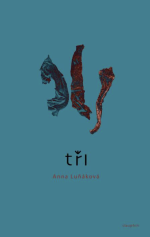
Tri!
Translated from
Czech
to
Slovenian
by Aleš Belšak
Written in Czech by Anna Luňáková
7 minutes read
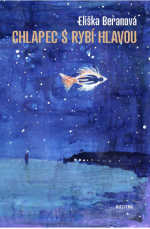
Хлопець з риб’ячою головою
Translated from
Czech
to
Ukranian
by Olha-Anastasiia Futoran
Written in Czech by Eliška Beranová
8 minutes read
Wracając do domu
Translated from
Italian
to
Polish
by Mateusz Kłodecki
Written in Italian by Fabrizio Allione
7 minutes read
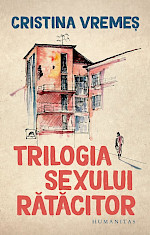
De trilogie van het verloren geslacht
Translated from
Romanian
to
Dutch
by Charlotte van Rooden
Written in Romanian by Cristina Vremes
9 minutes read
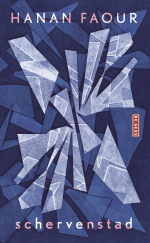
schervenstad
Nadine en haar tweelingbroer Isaac zijn op hun veertiende door het stukgelopen huwelijk van hun ouders ook van elkaar gescheiden. Isaac vertrekt met hun Libanese vader naar diens geboorteland, terwijl Nadine met hun Nederlandse moeder achterblijft in Noord-Limburg. Als de wereld jaren later wordt opgeschrikt door een explosie in de haven van Beiroet, weet Nadine één ding zeker: ze moet erheen.
Written in Dutch by Hanan Faour
9 minutes read
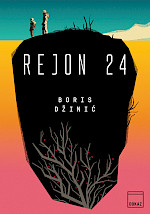
Rejon 24
Prošlo je već nekoliko godina otkako su Luk i Eli prvi put kročili na tlo Crvene planete. Sadnjom višanja na Marsu, koje zasad jedine uspevaju na ovoj turobnoj planeti, otac i ćerka započinju uzbudljivu potragu za tajnama ukopanim u naslage crvenkaste prašine. Stabla puna tamnocrvenih plodova rastu pod svodovima svih specijalizovanih plastenika, osim u jednom – Rejonu 24. Dok se unutrašnjost njihovih astronautskih odela sve više puni usamljenošću, strahom, nerazumevanjem i tugom, tragični događaji iz prošlosti nastavljaju da ih pritiskaju kao sumorna izmaglica Marsa. Iako često primoravaju sebe da ne razmišljaju o domu koji su privremeno napustili, iskre njihovih priča i sećanja nemoguće je u potpunosti ugasiti – one ih vuku ka bitnim sitnicama i događajima koji su oblikovali njihove živote. Zašto je važno na koji način Eli jede višnje i koje je drvo Luk zasadio kad je bio mali? Da li staro imanje, voćnjak, obližnje jezero, utihnuli seoski vašar i mreža isprepletenih kanala i šumaraka mogu biti skelet i životni sistem jedne porodice? U svom debitantskom romanu Boris Džinić vešto prepliće prošlost i sadašnjost svojih junaka i donosi nam dirljivu priču o snazi uspomena, ljubavi, bolu, patnji i neraskidivim vezama među ljudima. Rejon 24 podseća nas da je i na najmračnijem mestu moguće sačuvati radost življenja i veru da se onome što nas čeka vredi vratiti.
Written in Serbian by Boris Džinić
9 minutes read
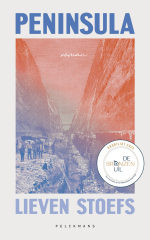
Koridor (Peninsula)
Translated from
Dutch
to
Czech
by Klára Němcová
Written in Dutch by Lieven Stoefs
7 minutes read
Zece degete în depărtare
Translated from
Dutch
to
Romanian
by Cătălina Oșlobanu
Written in Dutch by Joost Oomen
9 minutes read
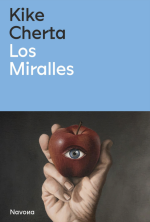
Міральєси
Translated from
Spanish
to
Ukranian
by Oleksandra Laktionova
Written in Spanish by Kike Cherta
7 minutes read
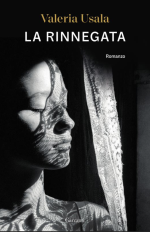
La rinnegata
A story of three generations of women, their courage and search for independence in the face of superstition and prejudice, in the spirit of Natalia Ginzburg and Elena Ferrante. In this striking debut, based on a true story, Valeria Usala bears witness to an age-old story of violence against women and takes us into the heart of rural Sardinia, where superstitions and cruelty coexist with the joys and companionship of a tight-knit community.
Teresa runs a shop and a tavern. But not even the family she has created with the man she loves can protect her from the malicious gossip of jealous locals, who are threatened by her independence. Her own mother, Maria, was made an outcast, and now Teresa is in turn forsaken by the villagers. Will she pay for her success with her life? Is she like a character in Greek tragedy, whose destiny is inevitable? A story that gives voice to the forgotten women of Sardinia—and to the one of women everywhere.
Written in Italian by Valeria Usala
10 minutes read
Dečak s ribljom glavom
Translated from
Czech
to
Serbian
by Jelena Đorđević
Written in Czech by Eliška Beranová
8 minutes read
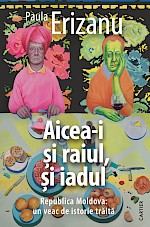
Hele, holky (It’s Both Heaven and Hell Here. Moldova: a Century of Lived History)
Translated from
Romanian
to
Czech
by Klára Našincová
Written in Romanian by Paula Erizanu
6 minutes read
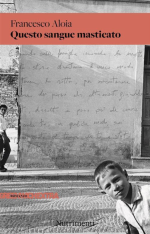
Ta prežvečena kri
Translated from
Italian
to
Slovenian
by Zarja Lampret Prešeren
Written in Italian by Francesco Aloia
9 minutes read
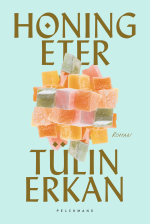
ARRIVALS / GELIȘ (Honingeter)
Sibel wacht in de luchthaven van Istanboel. Elke dag opnieuw mist ze haar vlucht naar Brussel. Ze voelt zich in de beide landen niet thuis, wil grip krijgen op de herinneringen aan haar overleden vader en haar taal herontdekken. Sibel vult de dagen met het observeren van andere passagiers en de zorg voor een speurhond.
Maar zelf wordt ze ook geobserveerd. Bewakingsagent Ömer houdt haar via zijn schermen in da gaten en beslist haar te beschermen, zoals een vader. En dan is er nog Wernicke, een piloot die niet alleen zijn job verloor, maar nu ook zijn taal en gezondheid. Alle drie leven ze illegaal in de luchthaven, met hun eigen bagage en communicatieproblemen. Een sneeuwstorm verlengt hun ongemakkelijke samenzijn, maar een afscheid is onafwendbaar.
Erkan omschrijft gevoelig hoe het is om tussen twee culturen op te groeien. Honingeter maakt bevattelijk hoe onmogelijk het is de ander echt te begrijpen en om je ergens thuis te voelen als je je moedertaal niet kunt spreken. Met poëtische metaforen toont Erkan de kwetsbaarheid van haar personages.
Tülin Erkan (1988) groeide op in Oostende bij een Franstalige moeder en een Engelstalige grootmoeder. Haar zomers bracht ze door bij haar vader in Turkije. Wanneer mensen haar als half omschrijven, voelt ze zich vooral dubbel. In haar debuut Honingeter rijgt ze taal en herinnering virtuoos aan elkaar tot een gecondenseerd geheel.
Written in Dutch by Tülin Erkan
7 minutes read
Trilogia do sexo errante
Translated from
Romanian
to
Portugese
by Cristina Visan
Written in Romanian by Cristina Vremes
8 minutes read
ONZE VADER
Written in Dutch by Lotte Lentes
7 minutes read
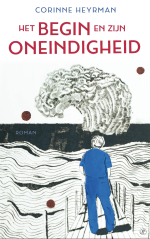
Het begin en zijn oneindigheid
Translated from
Dutch
to
Serbian
by Jana Živkić
Written in Dutch by Corinne Heyrman
9 minutes read
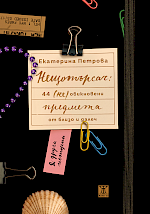
Poszukiwaczka rzeczy: 44 (nie)zwyczajnе przedmioty z bliska i z daleka
Tak jak sugeruje podtytuł, książka Poszukiwaczka rzeczy przedstawia historie 44 przedmiotów z bliska i z daleka. W środku znajdziemy zaskakujące, różnorodne i uporządkowane tematycznie znaleziska z całego świata: buty z Bhutanu, płytki chodnikowe z Barcelony według projektu Gaudiego, szklanki do wina z kraju Basków, broszkę w kształcie serca z Sarajewa, espadryle z Pirenejów, skarabeusze ze Starożytnego Egiptu, pudełko ze śmieciami z Nowego Jorku, kawałek pomarańczowego materiału „Dryfujących pomostów” z jeziora Iseo, słoweńskiego dzwoniącego smoka, mapę Wschodniego Berlina i wiele innych. Opowiadając historie konkretnych przedmiotów, Ekaterina Petrowa w rzeczywistości opowiada o miejscach, z których one pochodzą – o Küstendorfie i Katmandu, o Lublanie i Luizjanie, o Belwederze i Bilbao, o Selçuku i Central Parku – jednocześnie umieszcza je w szerszym językowym, kulturowym, historycznym, antropologicznym i geograficznym kontekście. Teksty są pomysłową mieszanką dzienników podróży, esejów i opowiadań, uważnie przeanalizowane i poprzetykane ciekawostkami, ale przełamane subiektywnym spojrzeniem autorki, jak i jej osobistą biografią podróżniczki, tłumaczki i poszukiwaczki rzeczy. Artystycznie skomponowana przez Ljubę Chalewą, jedną z najsłynniejszych bułgarskich ilustratorek, szata graficzna książki w cudowny i pełen poczucia humoru sposób oddaje ducha i nastrój historii. Dzięki temu sama książka również staje się pięknym i niosącym przyjemność przedmiotem – do czytania i powracania, do posiadania i obdarowywania.
Translated from
Bulgarian
to
Polish
by Zofia Kręc
Written in Bulgarian by Ekaterina Petrova
8 minutes read
Гей, дівчата (It’s Both Heaven and Hell Here. Moldova: a Century of Lived History)
Translated from
Romanian
to
Ukranian
by Paulina-Ionela Onujec
Written in Romanian by Paula Erizanu
6 minutes read
Chłopiec z rybią głową
Translated from
Czech
to
Polish
by Paulina Zając
Written in Czech by Eliška Beranová
8 minutes read