CELA About Talents News Calendar Contact Reading Room

Facebook Instagram Newsletter LinkedIn
View all filters Should I Stay or Should I Go Sensemaking Clear

Should I Stay or Should I Go

Take a journey through the tension between staying and leaving, journeys of personal growth and travelogues

Very Important Person

Translated from Slovenian to Dutch by Staša Pavlović
Written in Slovenian by Andraž Rožman
11 minutes read

Żywopłoty (The Hedges)

“Debiut Karpińskiej to opowiadania pisane Gombrowiczem, ale fajniejsze, bo o ludziach z naszych ulic” Olga Hund Opis okładkowy: Żywopłoty to historia człowieka, którego tożsamość zbudowana jest na narracji – istnieje tylko wtedy, gdy opowiada, dlatego jego dzieje rozpisane są niczym dzieje świata, który on szczelnie wypełnia. Żywopłoty – z ich odrealnieniem, a jednocześnie koncentrancją na zwykłych, prostych codziennych sprawach – układają się w rodzaj baśni. To baśń o tym, co w życiu najważniejsze. Poszczególne mikrohistorie można poznawać osobno i przy każdej na nowo odkrywać perspektywy i wymiary człowieczeństwa. Czyta się je – jak utwory najlepszych autorów czeskich, takich jak Pavel czy Hrabal – jak rzecz niewymuszoną, trochę spoza literackiego świata, nieosadzoną w konkretnej rzeczywistości i czasie.
Written in Polish by Maria Karpińska
9 minutes read

Dnevnik Portugalke v Angoli

Translated from Portugese to Slovenian by Maruša Fakin
Written in Portugese by Patrícia Patriarca
7 minutes read

Fragment of a diary

Translated from Portugese to Spanish by Sara De Albornoz Domínguez
Written in Portugese by Patrícia Patriarca
8 minutes read

Exilul

Written in Romanian by Anna Kalimar
7 minutes read

Een wildvreemde stad

Translated from Czech to Dutch by Annette Manni
Written in Czech by Anna Háblová
11 minutes read

Garduri vii

Translated from Polish to Romanian by Oana-Andreea Stoe
Written in Polish by Maria Karpińska
11 minutes read

Il raduno

Translated from Romanian to Italian by Andreaa David
Written in Romanian by Alexandru Potcoavă
9 minutes read

Măi, fetelor (It’s Both Heaven and Hell Here. Moldova: a Century of Lived History)

There are few places across Europe which have had the tumultuous story of Moldova in the 20th and 21st centuries. My greatgrandmother, for instance, spent most of her life in the same village while living in four different countries: she was born in the Russian Empire, went to school in Romania, resisted collectivisation and eventually gave in during the Soviet era, and got retired in the independent Republic of Moldova. I share her story in this book, as well as stories of other people with different backgrounds I interviewed, in an effort to create a polyphonic view of Moldova’s recent history. Chronologically, the book starts with the 1903 infamous Chisinau pogrom and it ends with the 2022 refugee crisis caused by the full-scale invasion of Ukraine. Geographically, the stories are rooted in Moldova but they cover the whole world thanks to the processes of migration that characterised all of the communities described in this book — Jewish, Roma, Armenian, Moldovan, Ukrainian, Russian etc. — at different points during history.
Written in Romanian by Paula Erizanu
7 minutes read

Francamente querida, tanto me faz

Translated from Czech to Portugese by Stepanka Lichtblau
Written in Czech by Lucie Faulerová
8 minutes read

Hele, holky (It’s Both Heaven and Hell Here. Moldova: a Century of Lived History)

Translated from Romanian to Czech by Klára Našincová
Written in Romanian by Paula Erizanu
6 minutes read

Cum vom rămâne mai puțini

Translated from Dutch to Romanian by Cătălina Oșlobanu
Written in Dutch by Rebekka de Wit
9 minutes read

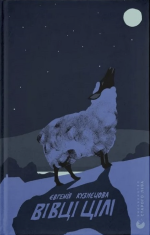
Ovce su na broju

Translated from Ukranian to Serbian by Dragana Vasilijević-Valent
Written in Ukranian by Eugenia Kuznetsova
5 minutes read

За Перекопом є земля

Крим. Саме тут минуло дитинство, юність і перше кохання головної героїні роману. Саме тут вона зрозуміла, що є українкою. Ні дідусь-підполковник КДБ, ані російська кров у венах не стали цьому на заваді. Наче орнамент, у романі переплітаються кримськотатарська культура і українська історія. На сторінках книжки читач зустрінеться з кримськими татарами, караїмами, українцями, росіянами, німцями, євреями, греками, вірменами Криму, крок за кроком відкриватиме шафи з родинними скелетами. Разом з головною героїнею та її подругою Аліє пройде шлях від їхнього дитинства – з 1990-х – аж до окупації півострова Росією в 2014-му, з екскурсами в давнішу історію Криму. «За Перекопом є земля» — це спроба відкрити материк для півострова, а півострів для материка з незвичного ракурсу. Адже і там, і там є земля. Її варто пізнати й повернути їй цілісність.
Written in Ukranian by Anastasia Levkova
7 minutes read

Aunque no llegues a ver más que una gota

Translated from Dutch to Spanish by Guillermo Briz
Written in Dutch by Rebekka de Wit
9 minutes read

Dnevnik

Translated from Slovenian to Serbian by Jelena Dedeić
Written in Slovenian by Mirt Komel
9 minutes read

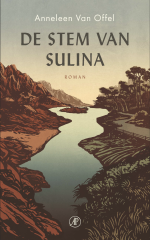
Голос Суліни

Translated from Dutch to Ukranian by Olga Bondarenko
Written in Dutch by Anneleen Van Offel
6 minutes read

Logboek van een laatste dag

Written in Dutch by Lotte Lentes
9 minutes read

Ach, meiden (It’s Both Heaven and Hell Here. Moldova: a Century of Lived History)

Translated from Romanian to Dutch by Charlotte van Rooden
Written in Romanian by Paula Erizanu
8 minutes read

Os Pandas de Ueno

Translated from Italian to Portugese by Vasco Gato
Written in Italian by Arianna Giorgia Bonazzi
13 minutes read
Loading...