View all filters
Clear








Goosebumps and Brain Freeze
Provoke your survival skills. Expose yourself to danger, exciting mysteries and mindbending realities

Garduri vii
Trei!
Barbari în Imperiul Roman
Sonia ridică mâna
ARRIVALS / GELIȘ (Mâncătorul de miere)
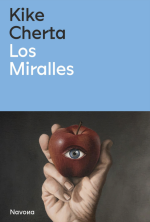
Familia Miralles
Nec mergitur
Jurnal
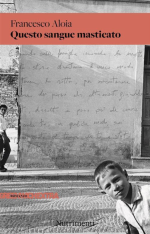
Acest sânge mestecat
24
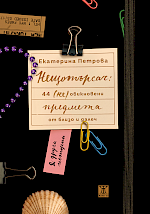
Căutător-de-chestii: 44 de obiecte (ne)obișnuite de aproape și de departe
După cum sugerează subtitlul, cartea Căutător-de-chestii conține povești despre 44 de obiecte de aproape și de departe. Selecția neobișnuită și variată, aranjată tematic, include descoperiri surprinzătoare din întreaga lume: cizme din Bhutan, dale de trotuar din Barcelona proiectate de Gaudi, pahare de vin din Țara Bascilor, o broșă în formă de inimă din Sarajevo, espadrile din Pirinei, scarabei din Egiptul antic, o cutie cu gunoi din New York, o bucată de țesătură portocalie din „cheiurile plutitoare” ale lacului Iseo, un dragon zornăitor din Slovenia, o hartă a Berlinului de Est și multe altele. Spunând poveștile acestor obiecte, Ekaterina Petrova spune, de fapt, și poveștile locurilor din care provin - Kustendorf și Kathmandu, Ljubljana și Louisiana, Belvedere și Bilbao, Selcuk și Central Park - plasându-le în același timp într-un context lingvistic, cultural, istoric, antropologic sau geografic mai larg. Amestec inventiv de jurnal de călătorie, eseu și povestire, textele sunt atent documentate și înțesate de curiozități, dar fragmentate din perspectiva subiectivă a autoarei, precum și prin biografia sa personală de călător, traducător și căutător-de-chestii. Realizată artistic prin ochiul estetic al Lyubei Haleva, una dintre cele mai remarcabile ilustratoare contemporane din Bulgaria, ilustrația cărții surprinde în mod minunat și plin de umor natura și starea de spirit ale povestirilor. În acest fel, cartea în sine devine, de asemenea, un obiect frumos, plăcut și vesel - de citit și recitit, de avut și de dăruit.
Meine Mutter hat Blumen gezüchtet (Condițiile nu sunt importante)
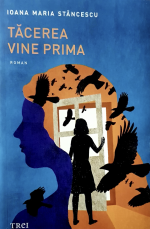
Tăcerea vine prima (Silence comes first)
Tăcerea vine prima vorbeşte despre trauma unei familii contemporane şi despre blocajele de comunicare dintre mai multe generații de femei. Atunci când tăcerea se instalează într-o familie, toate comportamentele sunt creatoare de traume. Singura soluție pare să fie depășirea fricii și deschiderea rănilor.
Subiectul principal îl reprezintă relația complicată a Dorei, pe de o parte cu mama sa intruzivă și veșnic nemulțumită, pe de altă parte cu fiica adolescentă care începe să-și ceară dreptul la independență. Crescută într-o familie în care femeile și bărbații au fost dintotdeauna într-un raport de forță, copiii au acoperit goluri și dureri, fericirea personală n-a părut necesară, mamele au îmbătrânit urât, iar tații, în tăcere, Dora preferă fantasma realității. Într-un moment de curaj, ea intră într-o relație online cu Toma. Totuși, chiar și după ce ajunge la Braşov, acolo unde locuieşte bărbatul, spaima de a nu fi dezamăgită o face să se întoarcă acasă, fără ca întâlnirea să aibă loc. Când însă, Toma vine în București și o sună, Dora este nevoită să ia o decizie. Nu înainte de a rupe tăcerea şi a da cărţile pe faţă, într-o discuţie cu mama ei.
“Silence Comes First" explores the trauma within a contemporary family and the communication barriers between multiple generations of women. When silence takes root in a family, every behavior becomes a source of trauma. The only solution seems to be overcoming fear and confronting old wounds.
The central theme is on one hand Dora's complicated relationship with her intrusive and perpetually dissatisfied mother, and on the other the dynamic with her teenage daughter, who is beginning to assert her right to independence. Raised in a family where women and men were always engaged in a power struggle, where children filled voids and covered up pain, Dora searches for an escape. After a childhood where personal happiness seemed unnecessary, where mothers aged poorly, and fathers remained silent, Dora prefers the fantasy over reality. In a moment of courage, she enters an online relationship with Toma. However, even after she travels to Brașov, where Toma lives, her fear of disappointment drives her to return home without meeting him. But when Toma comes to Bucharest and calls her, Dora is forced to make a decision. However, she can only do that after breaking the silence and laying all the cards on the table in a conversation with her mother.
N-am fost, dar acum sunt. Sensibilă la fiecare schimbare a vremii
Fata care aduce moartea
Ca să nu te văd
Podul

Blocurile portocalii
Dilema umbrelei maro Prima uşă la dreapta Nimic