View all filters
Clear








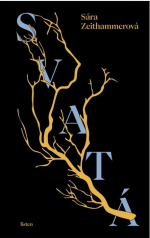
Svetica
Translated from
Czech
to
Serbian
by Jelena Đorđević
Written in Czech by Sára Zeithammerová
14 minutes read
Un automobil din Grecia antică
Translated from
Czech
to
Romanian
by Mircea Dan Duță
Written in Czech by Ondrej Macl
11 minutes read
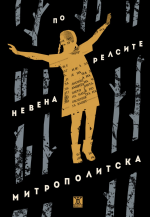
Pe șine
Translated from
Bulgarian
to
Romanian
by Maria Andrei
Written in Bulgarian by Nevena Mitropolitska
11 minutes read
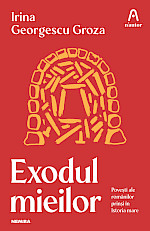
Exodus jagniąt
Translated from
Romanian
to
Polish
by Aleksander Podgórny
Written in Romanian by Irina Georgescu Groza
10 minutes read
Timpul e un cerc
Written in Romanian by Andrei Crăciun
9 minutes read
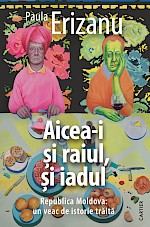
Măi, fetelor (It’s Both Heaven and Hell Here. Moldova: a Century of Lived History)
There are few places across Europe which have had the tumultuous story of Moldova in the 20th and 21st centuries. My greatgrandmother, for instance, spent most of her life in the same village while living in four different countries: she was born in the Russian Empire, went to school in Romania, resisted collectivisation and eventually gave in during the Soviet era, and got retired in the independent Republic of Moldova. I share her story in this book, as well as stories of other people with different backgrounds I interviewed, in an effort to create a polyphonic view of Moldova’s recent history. Chronologically, the book starts with the 1903 infamous Chisinau pogrom and it ends with the 2022 refugee crisis caused by the full-scale invasion of Ukraine. Geographically, the stories are rooted in Moldova but they cover the whole world thanks to the processes of migration that characterised all of the communities described in this book — Jewish, Roma, Armenian, Moldovan, Ukrainian, Russian etc. — at different points during history.
Written in Romanian by Paula Erizanu
7 minutes read
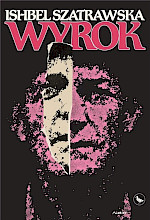
La sentenza
Two scoundrels were ordered to execute a snitch. Wandering through the mountains and
villages, they are hunted by their past. A dreamlike parable set in a brutal world with characters
grasped by their own fear.
Translated from
Polish
to
Italian
by Paola Pappalardo
Written in Polish by Ishbel Szatrawska
9 minutes read
Lungo i binari
Translated from
Bulgarian
to
Italian
by Giorgia Spadoni
Written in Bulgarian by Nevena Mitropolitska
10 minutes read
Presuda
Dvojici pokvarenjaka naloženo je da pogube cinkaroša. Dok tumaraju planinama i selima, za petama im je vlastita prošlost. Ovo je onirička parabola smeštena u surovi svet, u kojoj strah gospodari sudbinama junaka.
Translated from
Polish
to
Serbian
by Milica Kozić
Written in Polish by Ishbel Szatrawska
8 minutes read
Samochód ze starożytnej Grecji
Translated from
Czech
to
Polish
by Agata Wróbel
Written in Czech by Ondrej Macl
9 minutes read
Svatá
Život ovdovělé hospodské Aloisie se obrátí vzhůru nohama ve chvíli, kdy se její dceři Kristě zjeví v lese Panna Maria. Třebaže ji krom Kristy nikdo neviděl, zpráva o zjevení se rychle rozkřikne, do zapomenutého kraje začnou proudit zástupy a zadlužená hospoda konečně prosperuje. Krista je stejnou měrou okolím adorována i nenáviděna. Sama Aloisie neví, na kterou stranu se přiklonit. Je její dcera lhářka, nebo vizionářka? A zjevuje se v lese skutečně Matka Boží, nebo něco mnohem děsivějšího? Příběh o lásce, víře a nekonečné vůli vychází ze skutečných událostí, které se odehrály v devatenáctém století na Broumovsku.
Written in Czech by Sára Zeithammerová
9 minutes read
Medir el tiempo en la Antigüedad
Translated from
Italian
to
Spanish
by Paula Caballero
Written in Italian by Fabio Guidetti
9 minutes read
Automobil iz stare Grčke
Translated from
Czech
to
Serbian
by Uroš Nikolić
Written in Czech by Ondrej Macl
9 minutes read
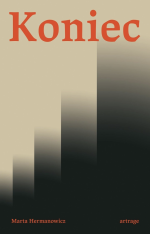
Los confines
Translated from
Polish
to
Spanish
by Teresa Benítez
Written in Polish by Marta Hermanowicz
15 minutes read
Bárbaros en el Imperio romano
Translated from
Italian
to
Spanish
by Paula Caballero
Written in Italian by Fabio Guidetti
9 minutes read
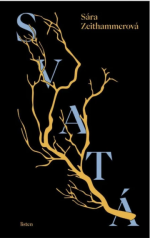
Sfânta
Viața Aloisiei, o hangiță văduvă, se schimbă complet în clipa în care fiicei ei, Krista, i se arată Fecioara Maria într-o pădure. Deși nimeni în afară de Krista nu a văzut-o, vestea despre apariție se răspândește rapid, mulțimi de oameni încep să vină în această regiune uitată, iar hanul – plin de datorii – începe în sfârșit să prospere. Krista este în egală măsură adorată și urâtă de cei din jur. Nici măcar Aloisia nu știe de partea cui să fie. Este fiica ei o vizionară sau o mincinoasă? Și oare într-adevăr Fecioara Maria se înfățișase în pădure sau este ceva mult mai înfricoșător? Povestea despre iubire, credință și voință nesfârșită se bazează pe evenimente reale care au avut loc în secolul al XIX-lea în regiunea Broumovska.
„Povestea plină de culoare oferă tot ceea ce eu, personal, aștept de la un roman: suspans, relații complexe între personaje, ritm alert, dar lasă în același timp suficient spațiu pentru a reflecta asupra normelor sociale care au însoțit lupta dură pentru emanciparea femeilor.” – novinky.cz
Translated from
Czech
to
Romanian
by Andrei Săndulescu
Written in Czech by Sára Zeithammerová
10 minutes read
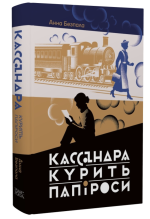
Casandra fuma cigarrillos
En la Kiev actual suena la alarma antiaérea. La universitaria Lesia se refugia en un sótano. Allí encuentra el diario de una estudiante y enfermera llamada Natalia. Empieza a leerlo.
Natalia relata las dos semanas previas a la entrada del Ejército Rojo en Kiev, así como las primeras semanas de la independencia ucraniana. El relato comienza con la huida de uno de sus pacientes. El paciente es un antiguo alto funcionario zarista con un caso único de esquizofrenia. Natalia espera labrarse un nombre en la psiquiatría gracias al estudio de su caso. Para no perder el acceso al paciente, la joven debe impedir que se vuelva a fugar. Además, se ve obligada a asumir el rescate de la familia del hombre fuera de la ciudad, siendo esta la razón de la huida del enfermo.
Para cumplir su promesa, Natalia se ve obligada a confiar en un nuevo conocido, Anatol, y ganarse la confianza de la hija mayor del paciente, Kasia (Casandra). Kasia es la cabeza de la familia y arrastra sus propios problemas: sufre de terribles premoniciones que luego se hacen realidad.
La búsqueda de billetes para salir de la ciudad se retrasa por una serie de aparentes accidentes desafortunados. A ello se suma un levantamiento bolchevique en la ciudad, en el que se ven implicadas personas cercanas a Natalia. La joven empieza a debatirse entre sus obligaciones con el paciente y el patriotismo que la mantiene junto a los heridos y su nuevo amor, el oficial Vasyl. Finalmente, a través de sus conversaciones con la familia del paciente Natalia resuelve el rompecabezas: Anatol no es quien decía ser. En realidad, tiene viejas cuentas pendientes con la familia del paciente. No estaba ayudando a Natalia, sino asegurándose de que la familia no lograra escapar.
Gracias a sus contactos con los militares ucranianos, Natalia consigue finalmente sacar a la familia en un vehículo militar. Queda a la interpretación de los lectores si ella misma logra marcharse o no. La alarma antiaérea cesa. Lesia descubre por qué tiene el diario de Natalia en el sótano donde se refugia.
La novela termina con tres epílogos: uno de Anatol, otro de Vasyl y otro de una conocida de Natalia. A lo largo del libro aparecen notas estilizadas atribuidas a Kasia desde un misterioso no-tiempo.
Translated from
Ukrainian
to
Spanish
by Alina Petryk
Written in Ukrainian by Anna Bezpala
12 minutes read
Un’automobile dell’antica Grecia
Translated from
Czech
to
Italian
by Elena Zuccolo
Written in Czech by Ondrej Macl
12 minutes read
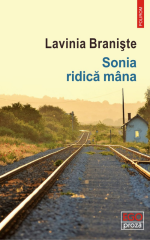
Domani
Translated from
Romanian
to
Italian
by Andreaa David
Written in Romanian by Lavinia Braniște
6 minutes read
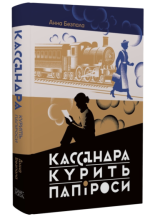
Cassandra rookt sigaretten
Translated from
Ukrainian
to
Dutch
by Roman Nesterenco
Written in Ukrainian by Anna Bezpala
14 minutes read