View all filters
Clear








Albero mostro bambino albero
Translated from
Spanish
to
Italian
by Valeria Parlato
Written in Spanish by Mariana Torres
9 minutes read
Raccogliere le forze per fuggire
Translated from
Czech
to
Italian
by Elena Zuccolo
Written in Czech by Ondrej Macl
13 minutes read
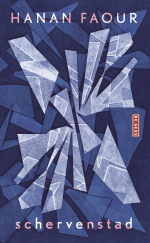
la città in frantumi
Translated from
Dutch
to
Italian
by Jessica Rostro Benigno
Written in Dutch by Hanan Faour
8 minutes read
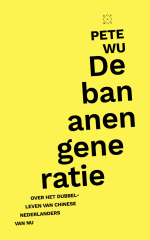
La generazione banana: sulla doppia vita dei cinesi dei Paesi Bassi oggi
Translated from
Dutch
to
Italian
by Jessica Rostro Benigno
Written in Dutch by Pete Wu
9 minutes read
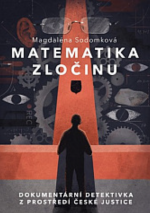
La fuga (La matematica del crimine)
Translated from
Czech
to
Italian
by Marco Maria Baù
Written in Czech by Magdalena Sodomková
11 minutes read
Il ponte
Translated from
Portugese
to
Italian
by Francesca Leotta
Written in Portugese by João Valente
9 minutes read
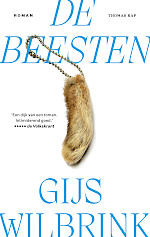
Le bestie
“Non vorrei dire, ma secondo me le cose con Tom Keller cominciarono ad andare storte già da quella volta in cui i due zii lo portarono nel bosco di notte per fargli fare cose che un bambino di nove anni non avrebbe mai dovuto fare.”
Così inizia Le bestie, il romanzo d’esordio di Gijs Wilbrink ambientato nella regione dell’Achterhoek, tra motociclette, bracconieri, allevamenti di visoni e loschi affari che non potrebbero avvenire alla luce del sole. In questa mistica terra di confine piena di segreti cresce Tom Keller, il più giovane rampollo della famiglia più famigerata della zona, dotato di un talento innato per il motocross. Quando anni dopo Tom sparisce all’improvviso, la figlia ribelle torna nella sua terra natale per cercarlo, causando una drammatica riunione di famiglia.
Translated from
Dutch
to
Italian
by Jessica Rostro Benigno
Written in Dutch by Gijs Wilbrink
10 minutes read
Il dilemma dell’ombrello marrone Prima porta a destra Niente
Translated from
Romanian
to
Italian
by Maria Alampi
Written in Romanian by Anna Kalimar
9 minutes read
Gerico
Written in Italian by Fabrizio Allione
8 minutes read
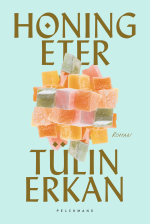
ARRIVALS / GELIȘ (Mangiamiele)
Translated from
Dutch
to
Italian
by Matilde Soliani
Written in Dutch by Tülin Erkan
7 minutes read
Distorti
Translated from
Spanish
to
Italian
by Valeria Parlato
Written in Spanish by Matías Candeira
7 minutes read
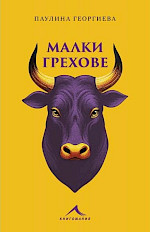
Piccoli peccati
Una comitiva di amici si forma a seguito di un incidente al concerto della pop star italiana Verda a Berlino, al quale la bulgara Nora sviene a causa di una dose eccessiva di psicostimolanti. Gli astanti nel palchetto – l’imprenditore greco Adrian, il fotografo svedese Johan e la coppia di israeliani Sol, terapeuta, e Lilith, artista – la aiutano. I sei entrano sempre più in confidenza e iniziano a incontrarsi in vari punti d’Europa. Ognuno di loro sembra una persona realizzata e felice, ma nel profondo porta con sé i traumi del passato. Questi traumi generano in ciascuno un “piccolo peccato”: dipendenza dall’alcol, dagli psicostimolanti, tradimento, menzogna, manipolazioni e presunzione.
Nora è attratta da Johan, mentre Adrian e Sol decidono di costruire un moderno centro retreat sull’isola di Creta. La comitiva si raduna lì in vacanza. Durante la terapia di gruppo ognuno condivide il proprio “piccolo” peccato. Lilith annuncia di aver commesso adulterio con Adrian. Scosso da quanto sentito, Sol si sottomette all’antico rituale del salto del toro, che simboleggia il tribunale divino. Il toro lo ferisce.
Tempo dopo ciascuno cerca di fare fronte alle conseguenze di quel giorno. Johan non beve più. Lilith e Adrian vivono insieme a San Francisco. Nora cura la propria dipendenza, mentre Sol è rimasto invalido. Un giorno riceve un pacco da Lilith: i suoi vecchi appunti da terapeuta, dove aveva scritto che lei è probabilmente figlia di un incesto. Ovviamente alla sessione di gruppo lei aveva mentito allo scopo di punirlo per la sua brutale valutazione. Il suo “piccolo” peccato era la menzogna, non il tradimento.
Translated from
Bulgarian
to
Italian
by Giorgia Spadoni
Written in Bulgarian by Paulina Georgieva
8 minutes read
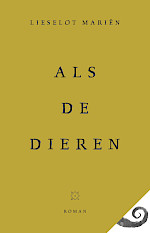
Se gli animali
In Se gli animali una donna cerca di capire cosa le è accaduto dopo la nascita del primo figlio, un’esperienza così buia che la fa scontrare con la lingua e il significato delle parole. Il regno animale, miti antichi, foto, mail e persino liste della spesa stilate durante la gravidanza: è in loro che la donna cerca un appiglio. Come si diventa, anche tempo dopo aver messo al mondo il proprio figlio, comunque madri? E come si riuniscono i cocci di un essere umano, dopo che è andato in frantumi?
Translated from
Dutch
to
Italian
by Matilde Soliani
Written in Dutch by Lieselot Mariën
9 minutes read
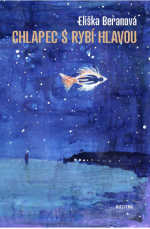
Il ragazzo con la testa di pesce
Translated from
Czech
to
Italian
by Marco Maria Baù
Written in Czech by Eliška Beranová
9 minutes read
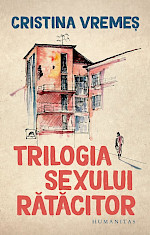
La trilogia del sesso errante
Translated from
Romanian
to
Italian
by Andreaa David
Written in Romanian by Cristina Vremes
9 minutes read
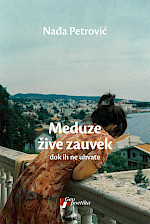
Le meduse sono immortali finché non le catturano
Sara ha appena compiuto diciannove anni e, a causa di un trauma represso del passato, sente crescere dentro di sé la paura di morire proprio a quell’età. Per questo motivo trascorre sotto l’ombra dell’ansia l’estate che dovrebbe essere la più spensierata della sua vita, quella tra la fine del liceo e l’inizio dell’università. Esce con gli amici nei club alternativi, cerca di riconciliarsi con l’ex ragazzo Viktor, beve molto e desidera essere notata da tutti, anche se in realtà è una persona introversa.
Tutto cambia dopo che, in una stanza buia di un club, Sara ha la sua prima visione, in cui il trauma del passato prende vita: si ritrova di nuovo faccia a faccia con Lara, sua cugina morta proprio a diciannove anni. Sara si sveglia la mattina seguente con un formicolio al braccio; la sensazione si diffonde e Sara scopre di avere una malattia senza nome, con cui potrà convivere normalmente ma che la accompagnerà per sempre.
Prendendolo come un primo segnale che la sua paura della morte potrebbe essere fondata, Sara inizia a dedicarsi ossessivamente all’analisi del proprio corpo come qualcosa di fragile e transitorio e, attraverso queste riflessioni, cresce rapidamente. Inizia un corso di pittura, dove incontra Tisa e Balša: entrambi eccentrici, entrambi segnati da incontri passati con la
morte e da traumi sepolti. Sara trova in Tisa un modello, mentre si innamora di Balša. Attraverso il rapporto con loro, Sara affronta il suo presente, il suo futuro e il suo passato traumatico.
Translated from
Serbian
to
Italian
by Katarina Mitić
Written in Serbian by Nađa Petrović
11 minutes read
Il comunismo visto dai bambini molto piccoli
Translated from
Romanian
to
Italian
by Maria Alampi
Written in Romanian by Andrei Crăciun
7 minutes read
Lampi
Written in Italian by Sara Micello
7 minutes read
Rivolta inversa
Translated from
Romanian
to
Italian
by Maria Alampi
Written in Romanian by Cătălin Pavel
10 minutes read
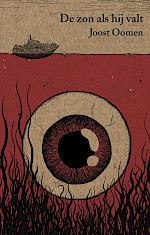
Il sole quando cade
Translated from
Dutch
to
Italian
by Antonio De Sortis
Written in Dutch by Joost Oomen
8 minutes read